
Karamono, Chinese Art in Japan
#Exhibition
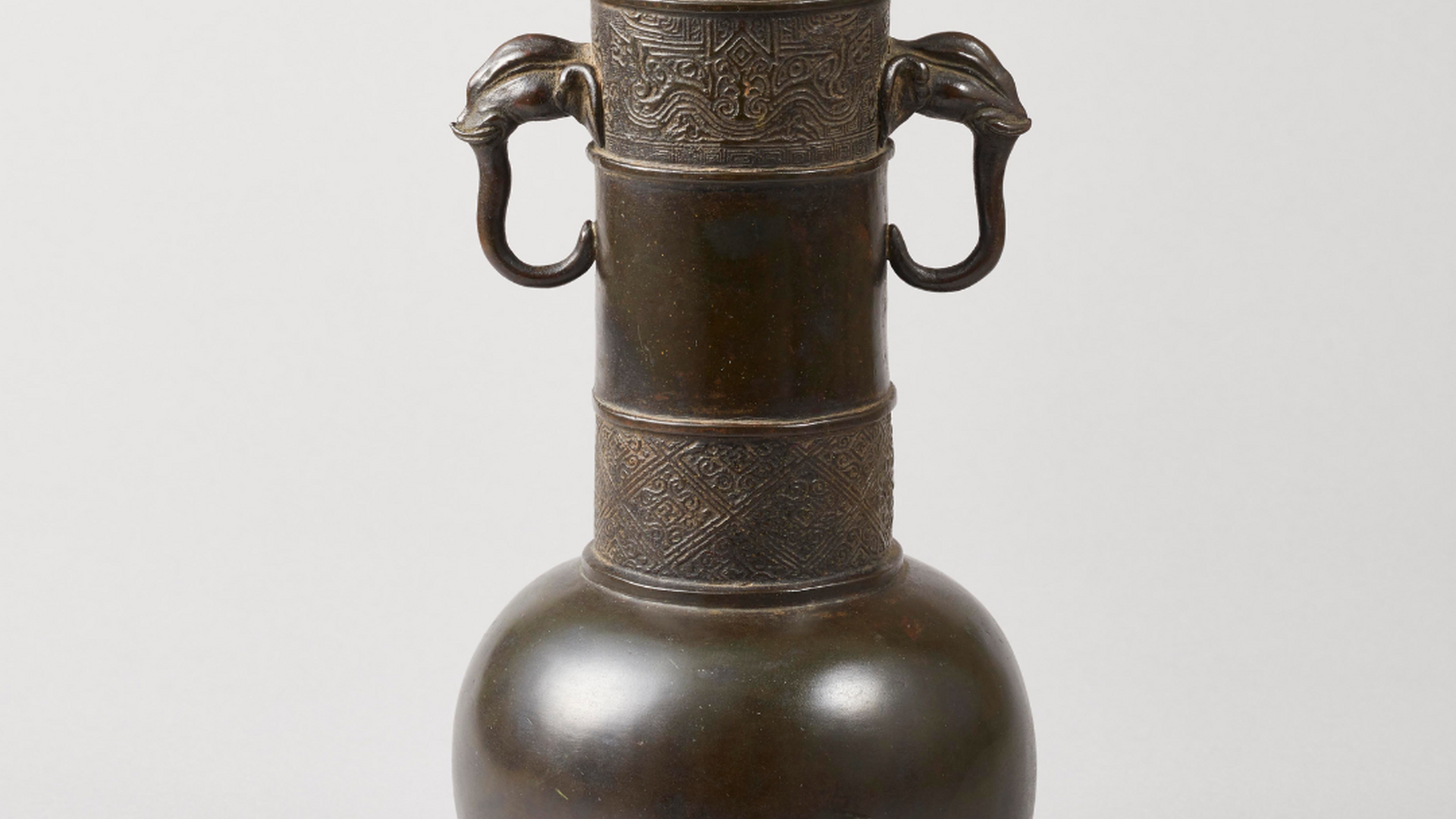
The history of the Japanese tea ceremony also runs through objects brought from China which, once they reached Japan, became models of taste and prestige. From 3 November to 13 December 2026, the Sen-Oku Hakukokan Museum Tokyo in Roppongi presents The Birth of Chinese Imports (Karamono): Exploring the Origins of Chanoyu Designs, an exhibition tracing more than three thousand years of cultural exchange between China and Japan through bronzes, ceramics, lacquerware, paintings and utensils associated with tea. In Japan, the term karamono was used for objects originating from the Asian continent, particularly China. During the late medieval period, as tea drinking gradually developed into the practice of chanoyu, these objects acquired a central role. Imported, collected and selected according to the tastes of Japanese elites, some were recognised as meibutsu, or “celebrated objects”, acquiring a value that went beyond their original function. The exhibition traces the origins of this material culture through one of the principal areas of the Sumitomo Collection: ancient Chinese bronzes from the Shang and Zhou Dynasties. Among the works on display is a ritual zun vessel dating from the 11th century BC, presented alongside objects made many centuries later. These comparisons reveal how forms originating in ancient China persisted and changed over time before being reinterpreted within Japanese tea culture. Particular attention is devoted to so-called kobronze, metal vessels used as flower containers. These include Kinenari, a vase with elephant-shaped handles produced in China during the Yuan Dynasty in the 14th century. The exhibition places these objects in dialogue with ceramics and lacquerware, identifying formal connections across different materials and techniques. One section also examines, in the light of recent research, the casting techniques used to produce these bronzes, which remain only partly understood. Alongside objects used in tea practice are works such as the 13th-century painting Autumn Field with Grazing Cattle, attributed to Yan Ciping and designated a National Treasure, and the Wakakusa tea container, dating from the 13th to 14th century. The exhibition thus examines karamono not simply as a category of imported objects, but through the process of selection and reinterpretation that helped shape the spaces, forms and aesthetic principles of chanoyu in Japan.
Paolo Mastazza - © 2026 ARTE.it for Bvlgari Hotel Tokyo
详情
The Birth of Chinese Imports (Karamono): Exploring the Origins of Chanoyu Designs
开始日期: 11月 03, 2026
结束日期: 12月 13, 2026
时间安排: Tue - Sun 11 am - 6 pm | Mon closed
门票: ¥ 1500
地点: Sen-oku Hakukokan Museum Tokyo
地址: 1 Chome-5-1 Roppongi, Minato City