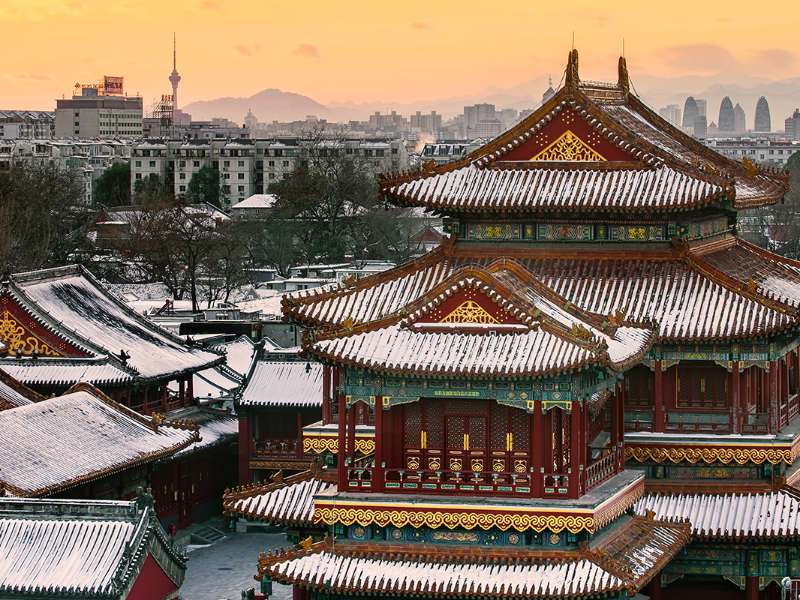
Alamat: F1, BLDG D7, Yard 3, Jinhang East Road, Shunyi District
There is a moment, standing before Dazhi’s works, when one senses entry into a realm that is no longer just about art, but about an inner form of resistance. It is an invitation to follow a path where pain becomes a threshold rather than a limit. Her practice emerges from the abrupt onset of chronic pain, which transformed her body and her perception of the world. In response, the artist has developed a method that interweaves destruction and reconstruction: torn drawings, fragments, canvases crossed by dark streaks that translate suffering into a new visual lexicon. In parallel, the cycle dedicated to “rehabilitation” explores the attempt to realign consciousness and memory. Dazhi builds transitional spaces - caves, hollows, ascending stairways - that function as inner passages between order and chaos. Time appears not as a linear sequence but as an energetic flow, staged in the dialogue between her child-self and adult-self. Embroidery and textiles introduce a delicate strength, a grammar of care that softens the brutality of experience. What emerges is not an idea of invincible strength, but a vitality that coexists with fragility. It is here that Dazhi’s work finds its center: reminding us that from wounds a new space for rebirth can emerge.
A journey into Minoan culture through myth, art, and archaeology, featuring over 170 artifacts that narrate the legacy of the ancient Cretan civilization.
Hu Gentian, the Modernist Who Transformed Art in Southern China
A trailblazer of modern art in Guangdong, Hu Gentian imported and reinterpreted Western modernist languages, founding schools, reforming education, and inspiring generations of artists.
Bodies, Memory, and Vision in a New Chinese Queer Sensibility
The exhibition unites Shen Jinghao and Shi Yi, merging film and painting to reclaim erased histories and reveal the intimate tensions of everyday life.

.jpg/jcr%3Acontent)
.jpg/jcr%3Acontent)
.jpg/jcr%3Acontent)
.jpg/jcr%3Acontent)