

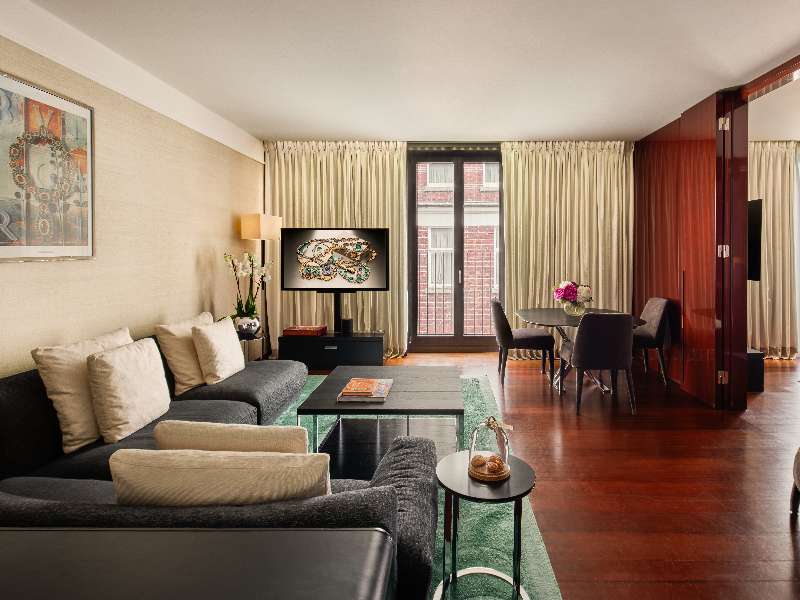
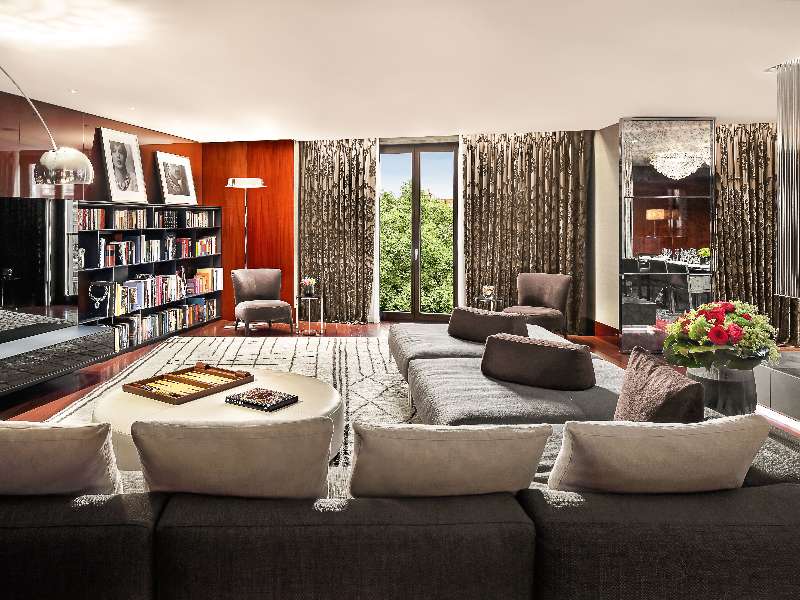
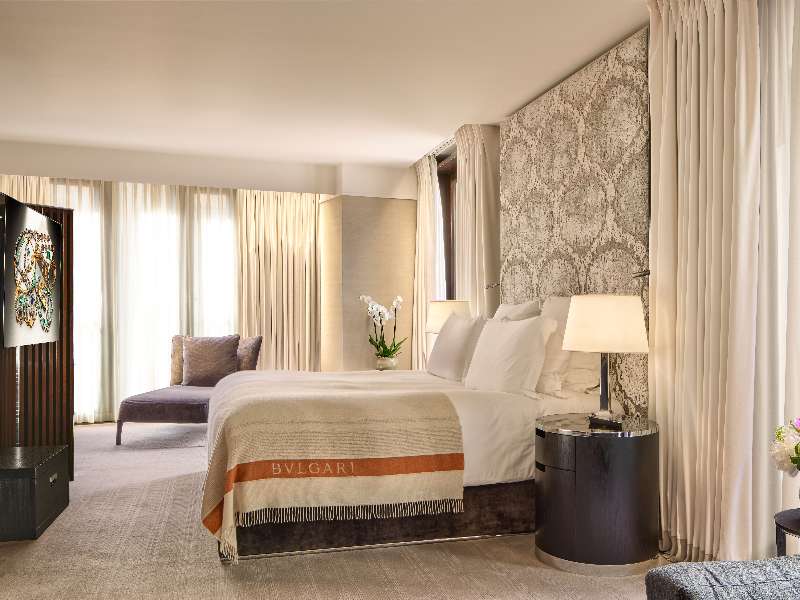
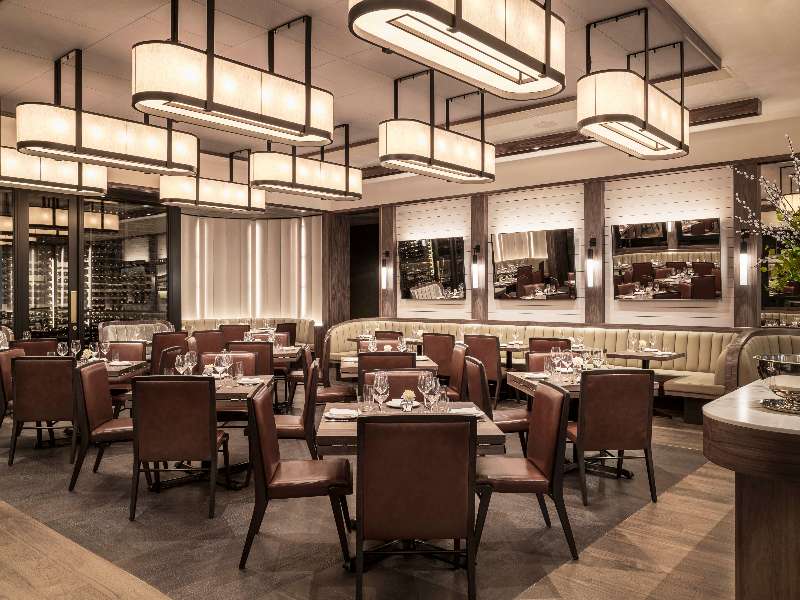


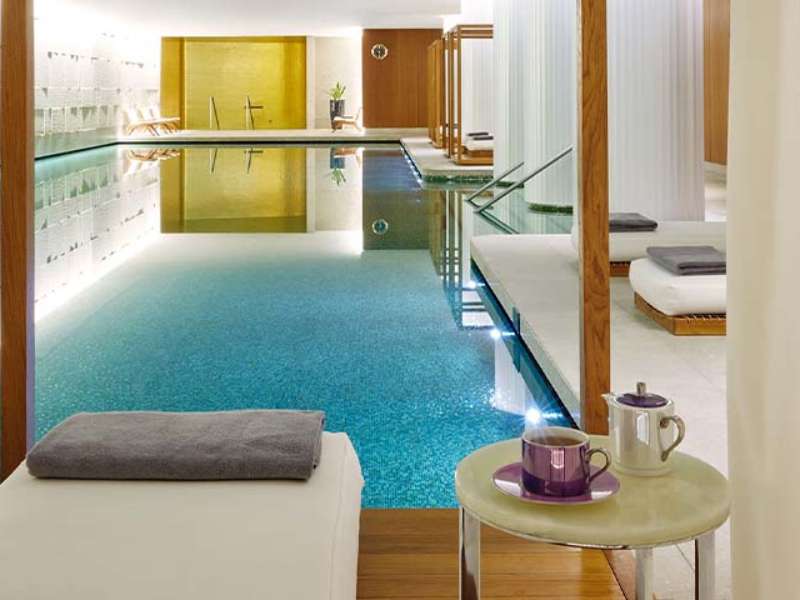
Адрес: Riverside Building, County Hall, Bishop's, London SE1 7PB
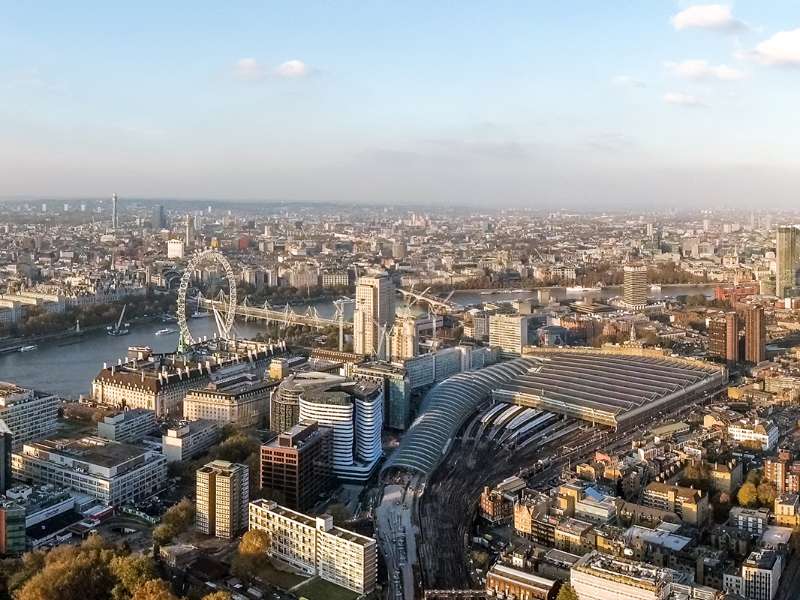
When the gigantic Great Wheel of London was built for the Empire of India Exhibition, later being used for the Imperial Austrian Exhibition as well, its 94 metres dwarfed any other building. When this behemoth was inaugurated at Earl’s Court on July 17, 1895, it was the largest ferris wheel on Earth, as well as London’s tallest structure. Besides its human passengers, the wheel was also a popular hangout for birds. In fact, in 1900, a cleaning person found a Goldcrest - the smallest bird in Great Britain - roosting inside one of the Wheel’s cars. The wheel was designed by Walter Basset, who was inspired by the 1893 ferris wheel of Chicago, which ran on steam and had forty cars to carry as many people and was considered an engineering marvel at the time. But by the end of the century, the curiosity regarding the wheel faded and it became a silent mostly-unused fixture. It was demolished in 1907 after having carried around 2.5 million passengers during its career. But its end came when, thanks to a malfunction, 74 people were left trapped for four-and-a-half hours. Its steel was sent to South Wales, where it was converted into containers for mustard and cookies.
Marie Antoinette: The Queen of Style Who Never Goes Out of Fashion
Featuring more than 250 works, from personal jewels and court dress to creations by Dior, Chanel and Vivienne Westwood, the show traces Marie Antoinette’s lasting impact on fashion, the decorative arts and visual culture.
At the Royal Academy, A Story of South Asian Art explores Mrinalini Mukherjee’s work and her creative circle, including her mentors and colleagues. Through her textile sculptures and site-specific connections, the exhibition redefines contemporary sculpture with roots in South Asian Modernism.
At the Royal Academy, The Histories presents the most comprehensive European survey of Kerry James Marshall’s work. Over seventy pieces place Black figures at the center of the artistic narrative, redefining Western painting’s traditional canons with bold, poetic force.
At the National Gallery in London, a remarkable exhibition brings back into focus one of the most enigmatic figures of eighteenth-century British painting, George Stubbs, exploring his quiet revolution in the depiction of the horse, an animal that, for the artist, became far more than a symbol of status or aristocratic refinement.