The Sunflowers of Van Gogh which Gauguin Did Not Like
ロケーション: National Gallery
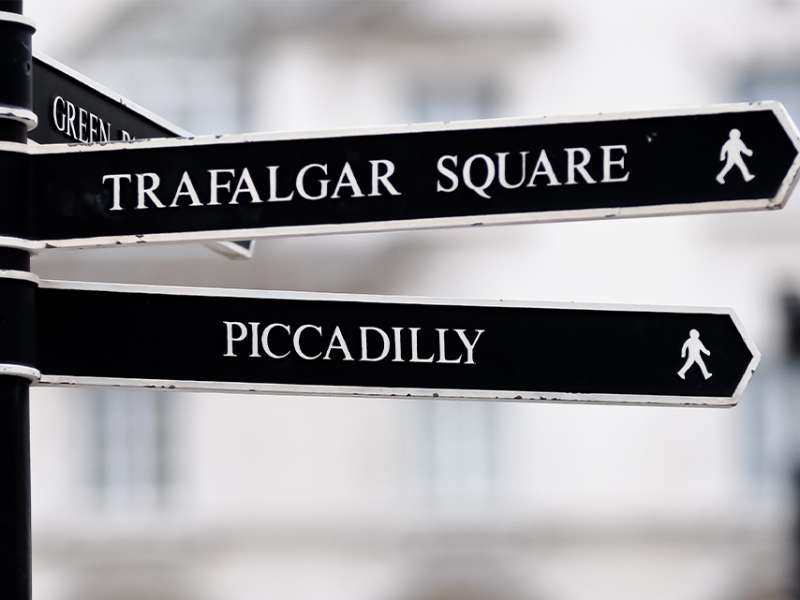
住所: Trafalgar Square, Charing Cross, London WC2N 5DN
“The sunflower is mine!” Vincent van Gogh once said, seeing in that flower the ephemeral nature of human actions or, perhaps, quite simply, an anthem to the vitality of nature. Certainly, no other artist has ever been so closely associated with a specific flower of any type. In February of 1888, Vincent van Gogh settled in Arles, in the South of France. Happy about his new life in the ancient village and of his “yellow house”, Vincent sought to convince his friend Gauguin to join him. Vincent’s dream was to establish a tiny artists’ community in Arles, of which he and his friend would act as mentors. It was during the summer, as he awaited Gauguin’s arrival, that he began to paint his celebrated series of Sunflowers in a vase. To decorate his guest-room and make a lasting impression on his friend, Vincent van Gogh thought to do a dozen paintings, including the Vase with Fifteen Sunflowers that, today, is part of the Collection of the National Gallery of London. Gauguin showed up the following autumn, but unlike Van Gogh, he found nothing interesting about Arles and he found living with Vincent impossible. The friendship between the two ended abruptly in short time and their paths diverged thereafter. Van Gogh had a nervous breakdown, while Gauguin decided to leave France and move to Tahiti in Polynesia, seeking to alter his very existence.
The Royal Academy in London presents a major retrospective devoted to Michaelina Wautier, a seventeenth-century Flemish painter long overlooked by art history. Portraits, mythological scenes and allegories reveal an artist working with full independence across genres.
At the Royal Albert Hall on 4 and 5 April 2026, the film Interstellar returns to the big screen with Hans Zimmer’s score performed live, transforming the screening into an immersive symphonic experience.
For the first time, all nine known painted portraits by Jan van Eyck are brought together at the National Gallery in London. An exhibition that explores the birth of the modern portrait in fifteenth-century Northern Europe. Between identity, psychology and new research, the faces of a changing world.
At the National Portrait Gallery in London, Tim Walker reconsiders his fairy-tale imagery through the lens of a real community. Portraits, staging and narrative create a universe where identity and affection become a collective story. An exhibition that moves portraiture towards a space that is both poetic and political.

.jpg/jcr%3Acontent)