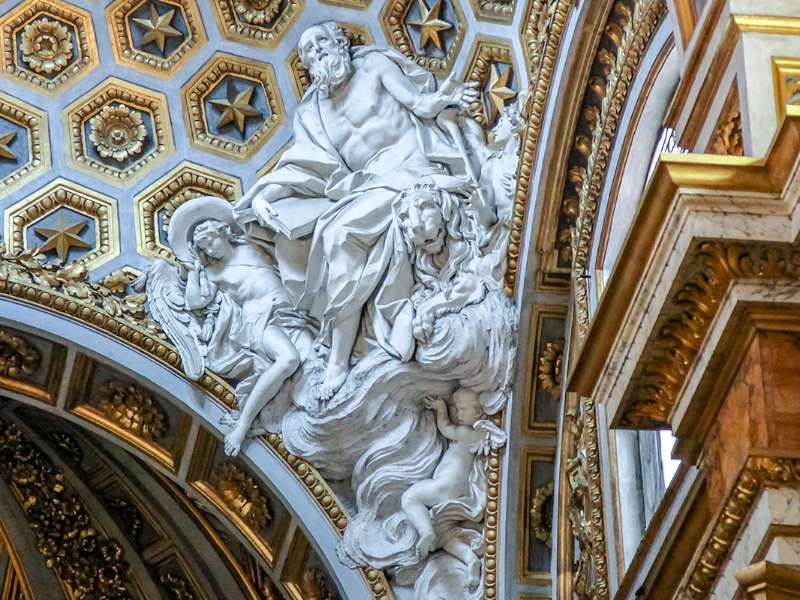
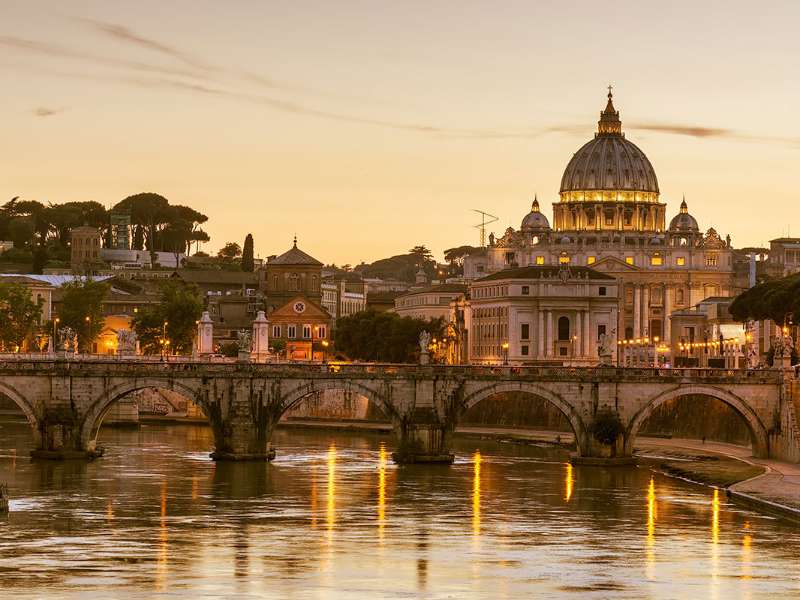
In early seventeenth-century Rome, mosaic experienced a new season of splendor. The exhibition Marcello Provenzale of Cento: A Genius of Baroque Mosaic in Borghese Rome brings renewed attention to one of the key figures behind this artistic revival. Born in Cento in 1576 and initially trained as a painter, Provenzale found his true vocation in Rome, specializing in the art of mosaic. From the early 1600s he worked on major projects at St. Peter’s Basilica, distinguishing himself through his ability to translate the luminosity and subtle gradations of painting into tiny glass tesserae. His talent earned him the trust of Pope Paul V and the Borghese family, who entrusted him with important celebratory commissions. Alongside masterpieces such as Orpheus and the Portrait of Paul V, the exhibition highlights the modern vision of an artist who helped transform mosaic into a refined and contemporary language. Through the technique known as filato mosaic, capable of producing extraordinarily delicate tonal transitions, Provenzale achieved effects that rivaled painting, inaugurating a new chapter for this ancient art in Counter-Reformation Rome.
In the 1970s, Rome became a global sound laboratory where music, art, and countercultures merged to reshape collective creation.

.jpg/jcr%3Acontent)

.JPG/jcr%3Acontent)
.jpg/jcr%3Acontent)
.jpg/jcr%3Acontent)
.JPG/jcr%3Acontent)
.JPG/jcr%3Acontent)
.JPG/jcr%3Acontent)