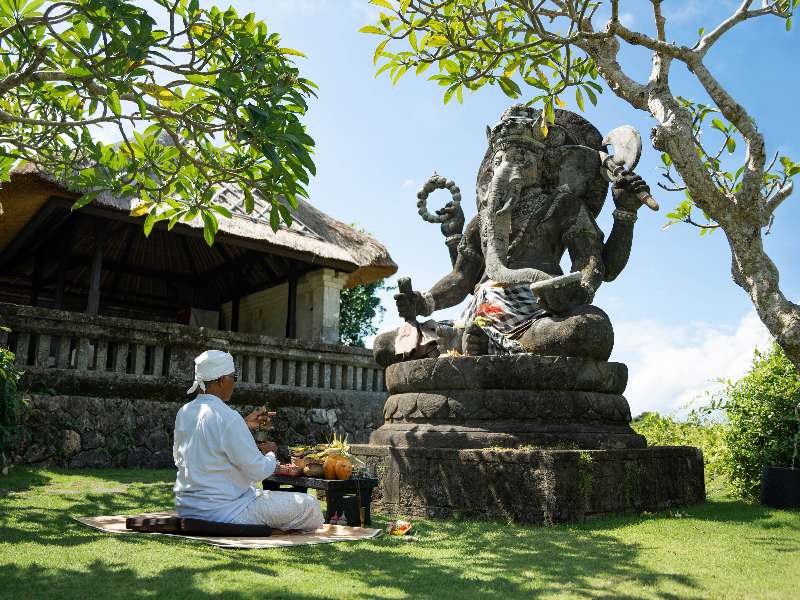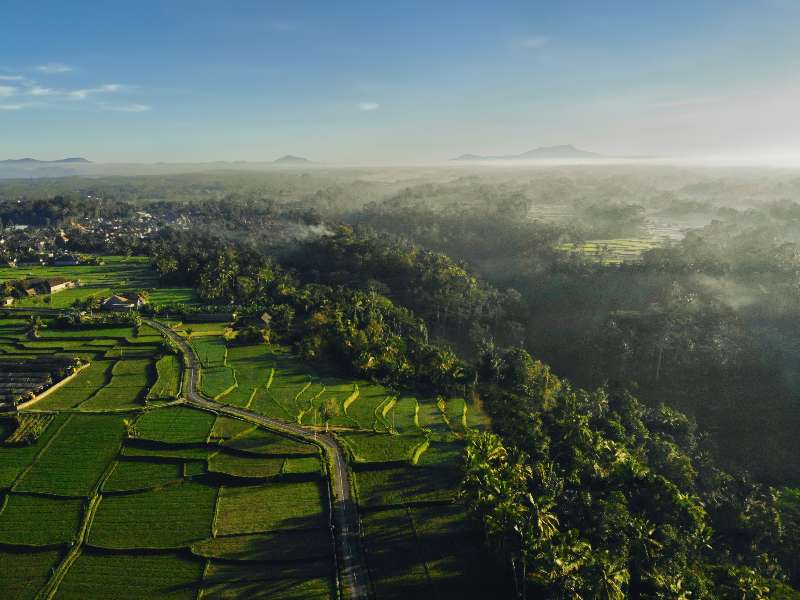
After an hour-and-a-half chat in a cafe in Ubud, photographer and director René Roosevelt had no doubts - Hickman Powell was the right man to put words to the photos he had taken of the island of Bali. It was 1929 and the world was falling apart. The young reporter of the New York Morning World had decided to take a year off and travel around the world. He had just arrived in Bali. Hickman Powell would later receive notoriety with Ninety Times Guilty, the thrilling look at the trial of Charles “Lucky” Luciano. However, his literary premier came with The Last Paradise, a brilliant account of the traditions and life on Bali, printed in 1930 and accompanied by the photos of René Roosevelt and the illustrations of Alexander King. During his stay on the island, Powell was struck by Balinese culture - he was fascinated by the mixed religious traditions of Hinduism and Animism, bewitched by the local musical instruments and he spent hours and hours watching performances of traditional dance. Powell knew how to capture the spirit of the island. The pages of his book describe, in abundant detail, the essence of Balinese life. The writer shared with the photographer the idea that the Balinese were the greatest artists on Earth. Furthermore, they believed that every Balinese, male and female, were, in their own way, artists. Widespread well-being, free time and religion had traditionally represented fundamental elements of the local culture, necessary prerequisites for the development of the arts. Even today, the pages of The Last Paradise offer a voyage straight into the heart of Balinese culture.
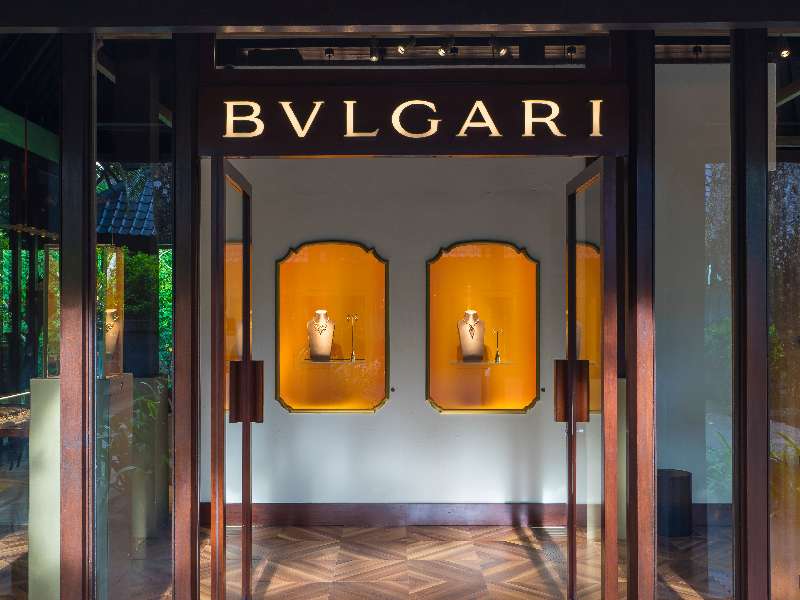
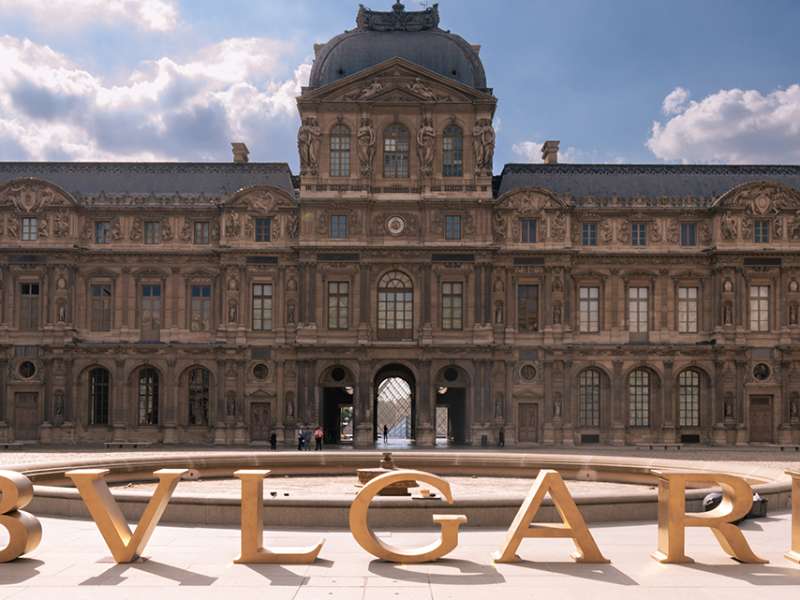
Bvlgari hosts opening of Torlonia Collection at the Louvre
Last night, Bvlgari celebrated the launch of Masterpieces from the Torlonia Collection, a new exhibit at the Louvre. As a supporter of the Torlonia collection ...
Mount Batur and its history in the Geopark Batur Museum
Located South of Mount Batur, the Batur Geopark Museum provides information on the geological, biological and cultural diversity of the surrounding area. It was built after the Batur Caldera region joined UNESCO's global network of Geoparks in September 2012.
Natural pigments & dyes in Balinese traditional crafts
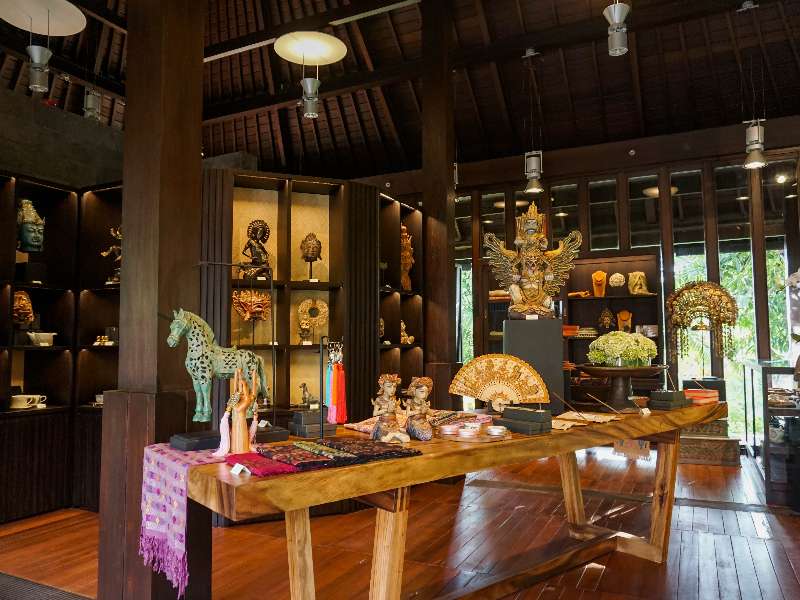
Colors play a vital role in Balinese culture and identity: they are symbolic and their origins are sacred. Traditional Balinese arts and crafts arise from the interconnection between man, the forces of nature and the cosmos, resulting in a divine unity.
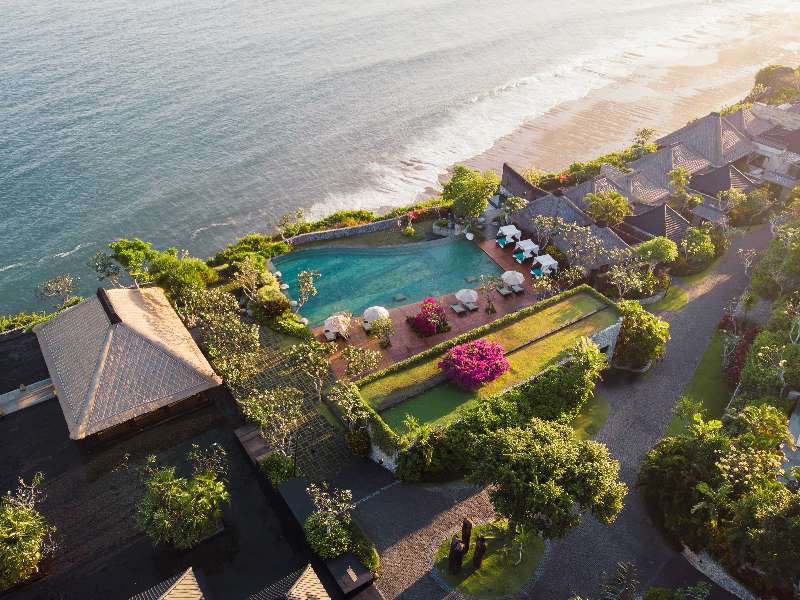
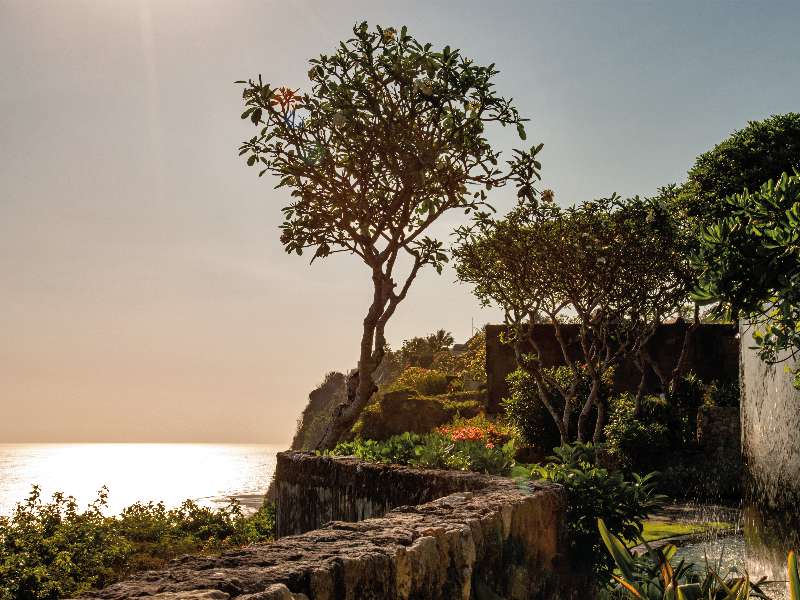
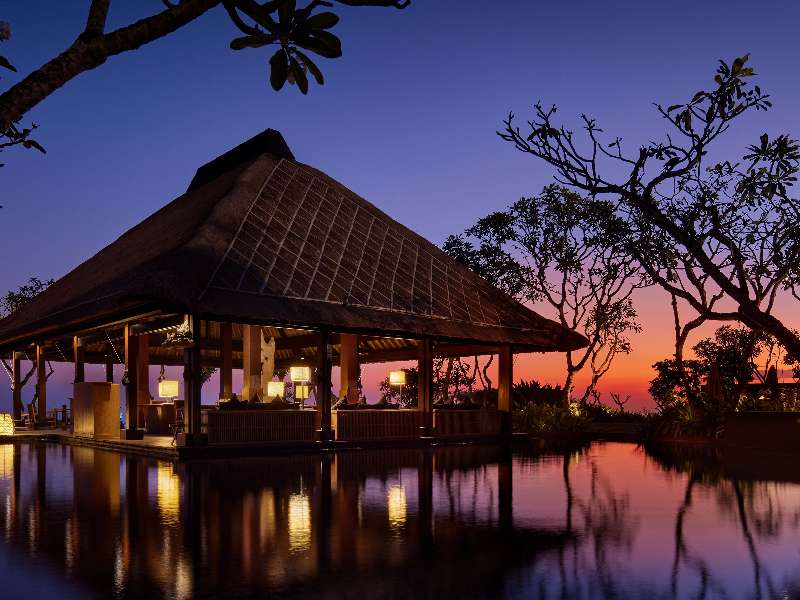
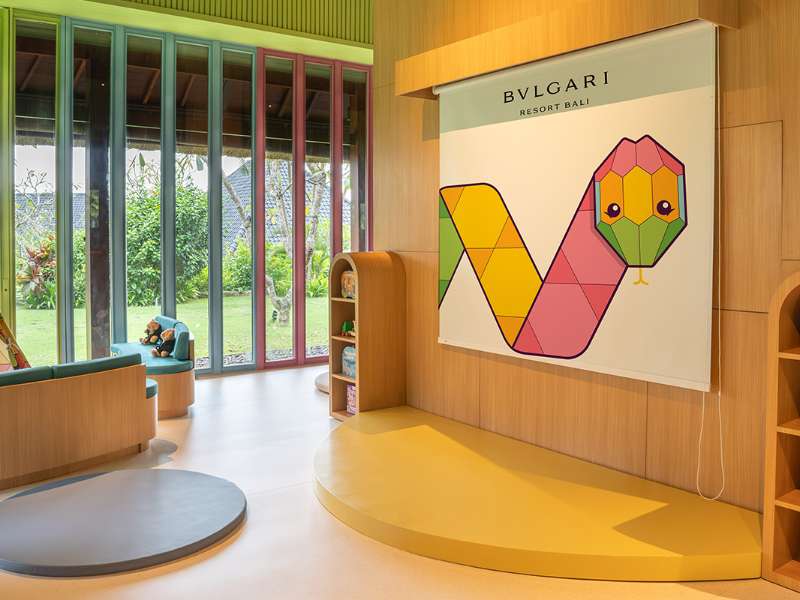
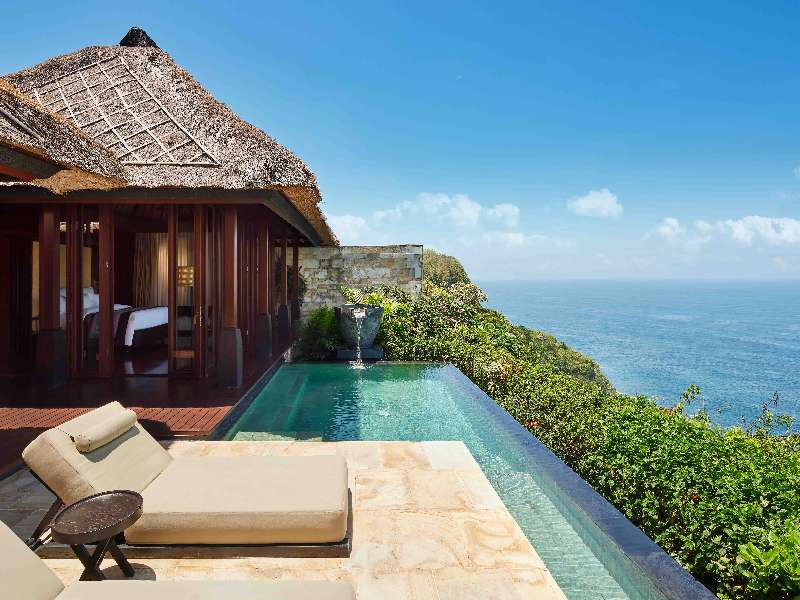
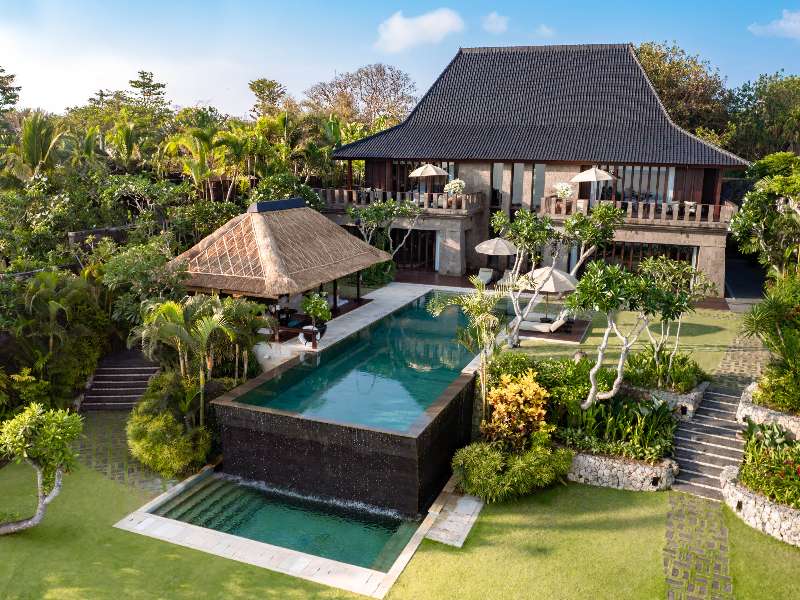
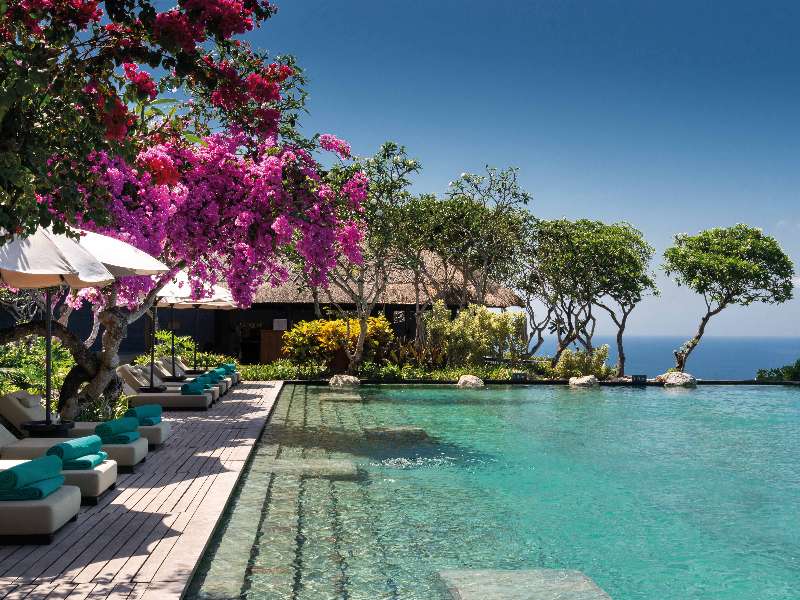
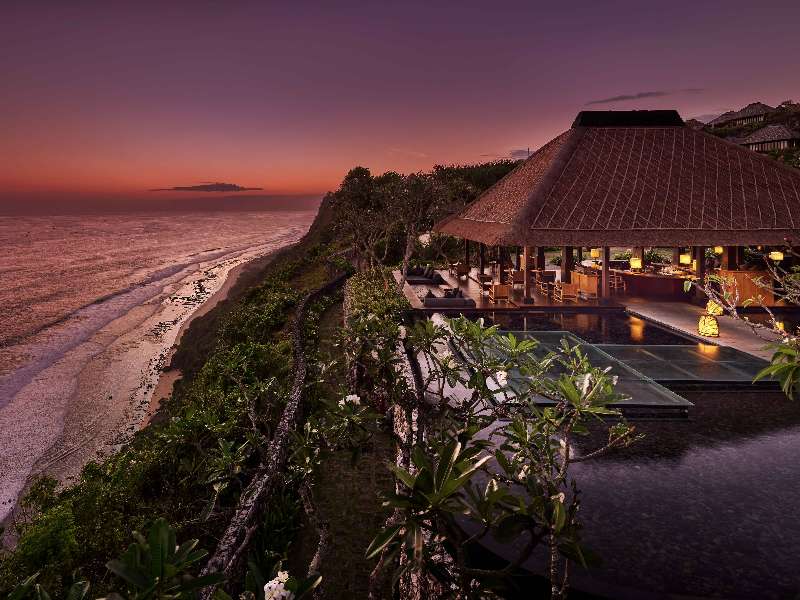
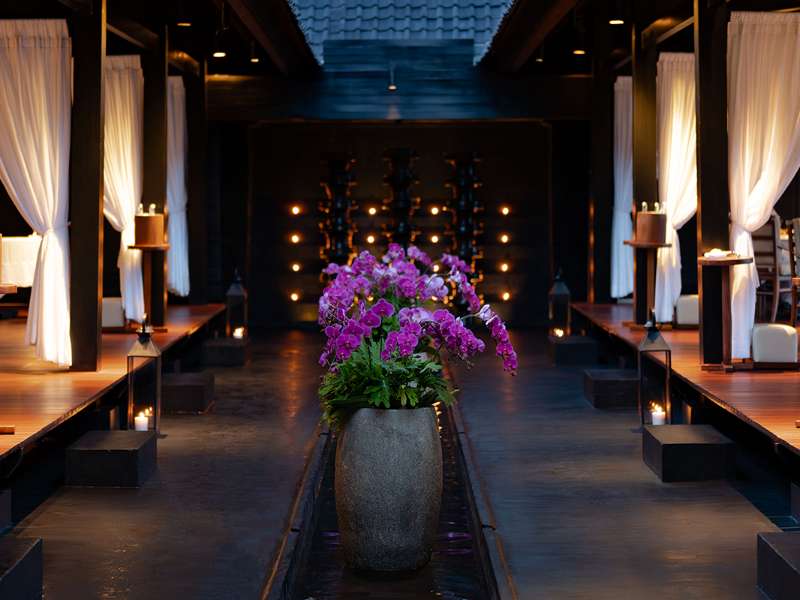
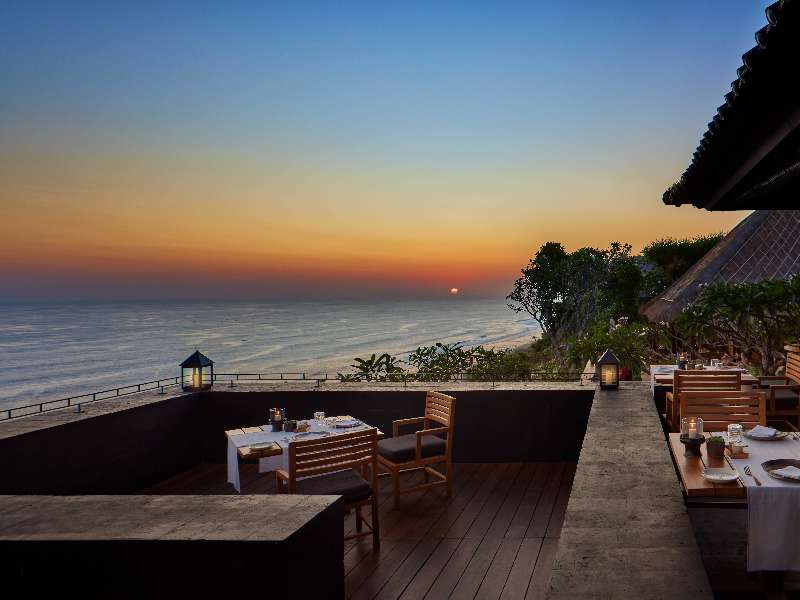
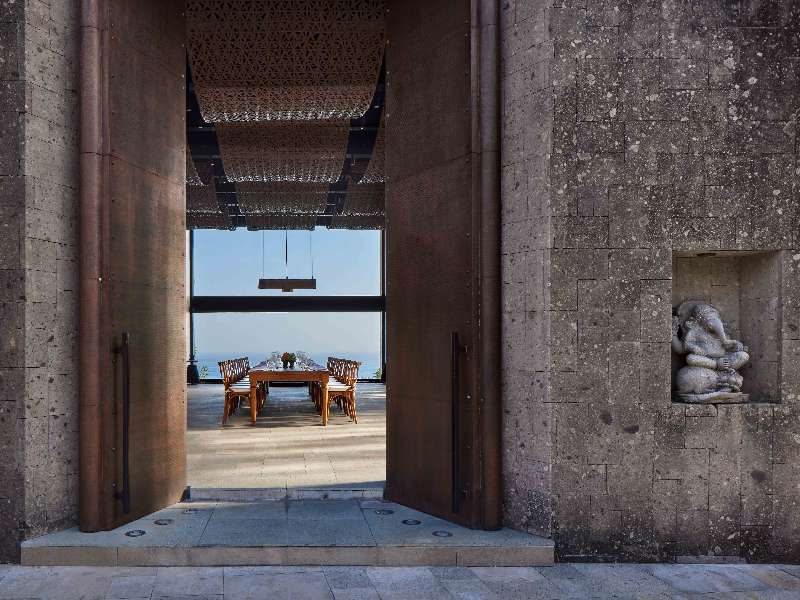
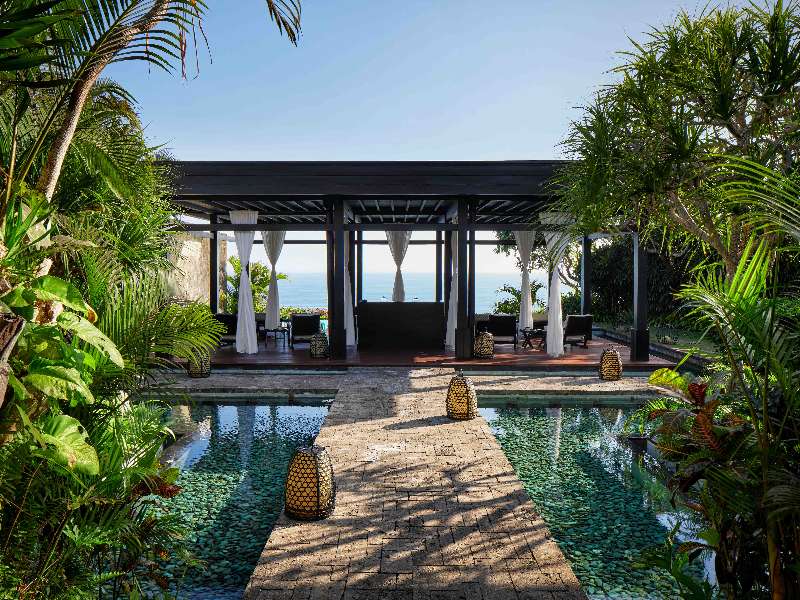
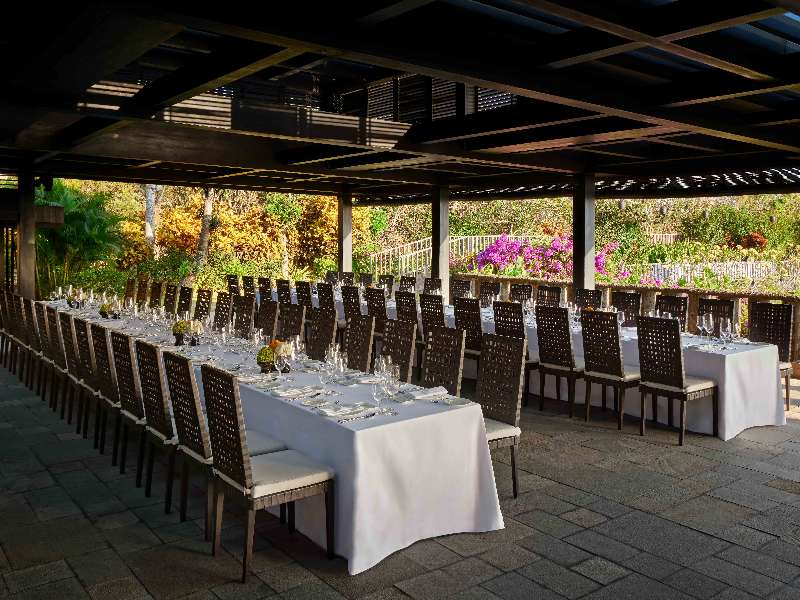
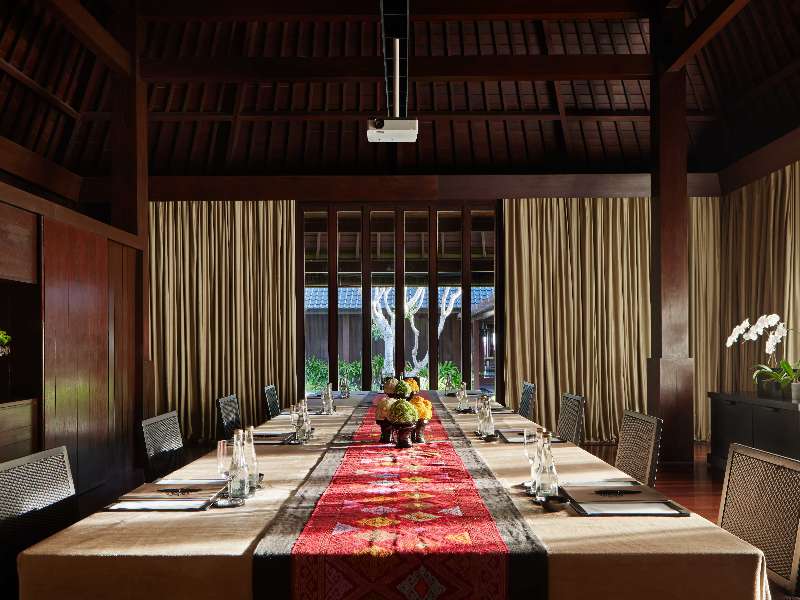
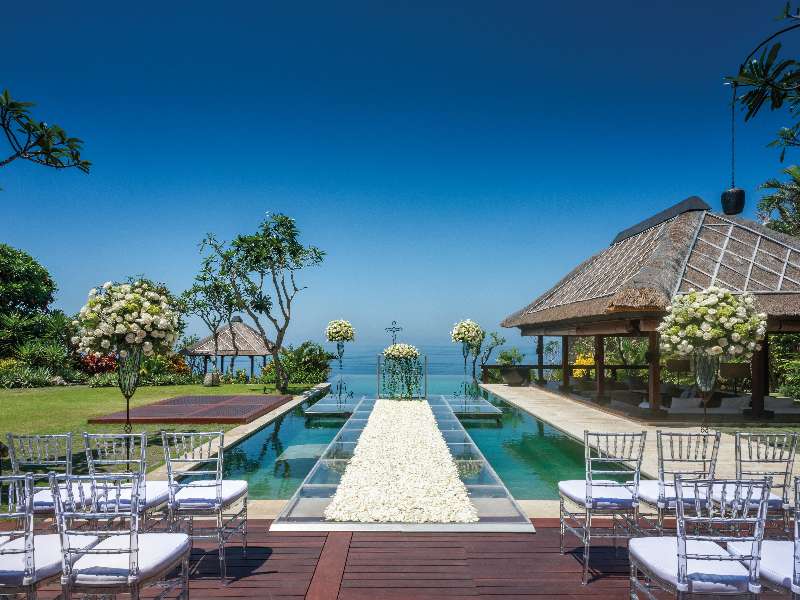
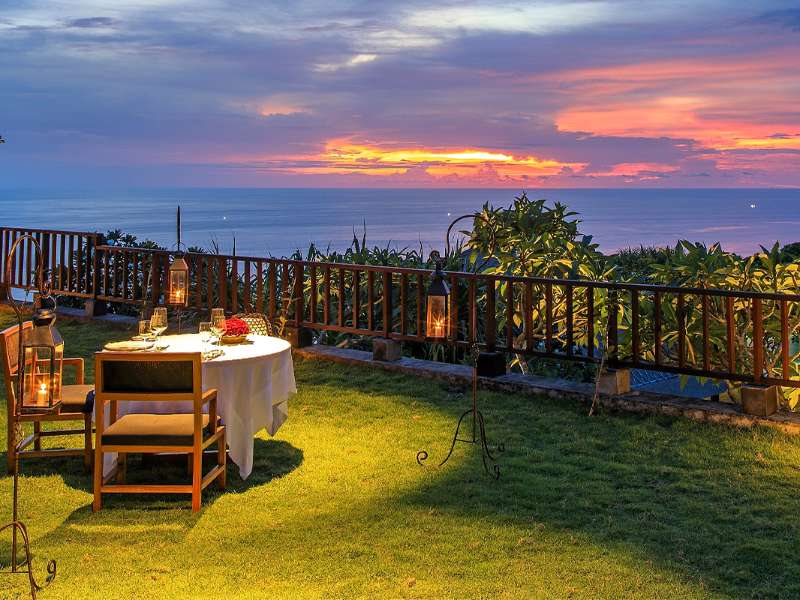
A jewel of nature, all dressed up in its holiday best, the Bvlgari Resort Bali welcomes guests with warmth and style, immersing them in a wonderland of festive charms.