The British Museum holds an important collection of prints and drawings by Rembrandt van Rijn, one of the greatest and most prolific artists of all time, known for his portraits and his use of light in his works. And yet, few are aware that the master’s works were not always greeted with praise during his life. An acute observer of the natural world and the female body, Rembrandt transgressed the artistic conventions of his times, depicting women’s nude bodies in a very, perhaps, too realistic way. One example is his drawing of Diana, the chaste mythological Goddess of the hunt, classic example of beauty. Inspired by one of his live models, Rembrandt depicts Diana surprised in a private moment, with her flaccid and wrinkled skin quite visible. A raw stylistic choice that provoked harsh criticism towards the master. Shortly after the death of the artist, the Dutch poet Andries Pels affirmed that Rembrandt had deliberately chosen to depict a “vulgar farm-girl” rather than a “Grecian Venus”. The British author Benjamin Robert Haydon declared that the “notions of Rembrandt about the delicate forms of women would have scared a polar bear.” The collection of prints and drawings by Rembrandt may be visited by appointment only because of the sensibility of the paper works to light.
Featuring more than 250 works, from personal jewels and court dress to creations by Dior, Chanel and Vivienne Westwood, the show traces Marie Antoinette’s lasting impact on fashion, the decorative arts and visual culture.
On May 3 and 4, 2026 YES return to London’s Palladium with the Fragile Album Series tour. Their 1971 masterpiece will be performed in full alongside songs that shaped their legacy. Not a nostalgic revival, but a sonic journey connecting past and present.

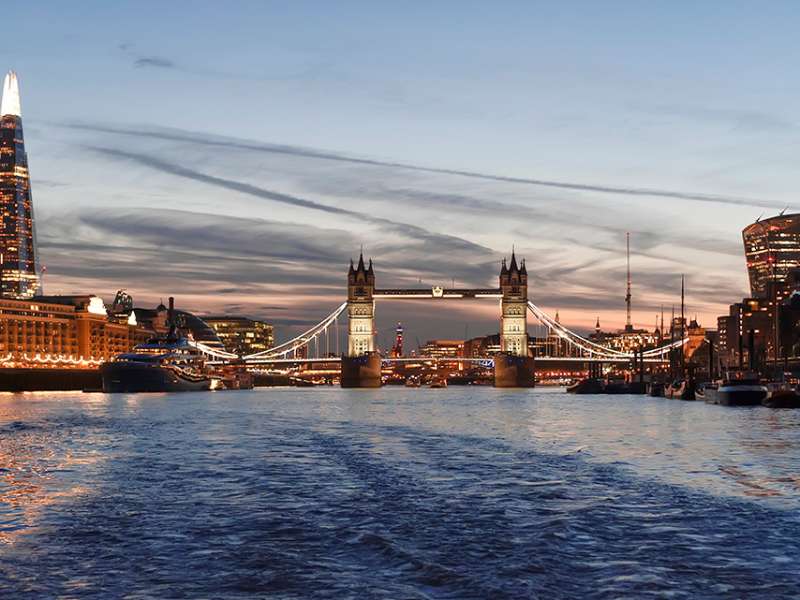
London dons its holiday best for the Festive Season, inviting guests to discover joys from shopping to dining, Panettone to sparkling décor.

.jpg/jcr%3Acontent)