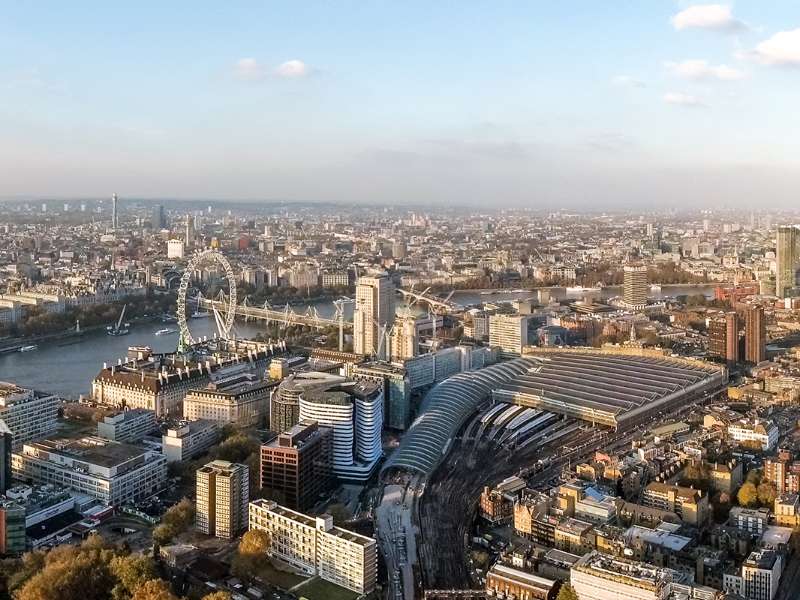
It was a boat ride on the Thames that inspired the masterpiece that launched John Singer Sargent into the firmament of English painting. The artist was in Pangburne, coming off the Parisian scandal of Madame X, when the spectacle of Chinese lanterns hanging between the trees and flowers set a new idea working in his mind. In two years, he would finish Carnation, Lily, Lily, Rose, the atmosphere of which, with its vibrant lights, still overwhelms visitors to the Tate Britain today. The work depicts two children in white garb, intent on lighting paper lanterns. Around them, the lush nature of an English garden with lilies, roses and carnations. With Polly and Dolly, daughters of illustrator Frederick Barnard, Sargent worked outside, waiting nightly for the ephemeral enchantment of sunset. Capturing “the warm light of the lanterns against the dark purple of the summer sunset” turned out to be an arduous task. It is a “terribly difficult subject,” the painter wrote to his sister, “The brilliant colours of the flowers and the lamps are impossible, and the more intense green of the lawn in the background. The paints aren’t vivid enough. And besides that, the effect only lasts ten minutes.” But the efforts of the American artist were compensated. In 1887, the exposition of the work at the Royal Academy decreed the launch of Sargent as a portraitist in the United Kingdom. Two ingredients made the painting irresistible to the Victorian public and critics - the innocence of youth and its setting in an English garden.
The British Museum marks the 250th anniversary of John Constable’s birth with an exhibition devoted to his works on paper. Drawings, studies and prints document the artist’s direct engagement with landscape and nature.
At White Cube, the Hong Kong-born artist unveils a new series of paintings exploring the fragility of human relationships and the search for belonging. Through suspended figures and pared-back compositions, Lai transforms introspection into a meditation on the contemporary human condition.
Following his participation in the Venice Biennale, Louis Fratino presents a new body of paintings at David Zwirner London exploring intimacy and human relationships. Through domestic interiors and quietly observed figures, his work reveals the poetic power of closeness.
From 1 October 2026, the British Museum will present its first major exhibition on Korea in more than forty years. Spanning over two millennia, the show brings together treasures from Korea's leading museums and the renowned Lee Kun-hee Collection.