

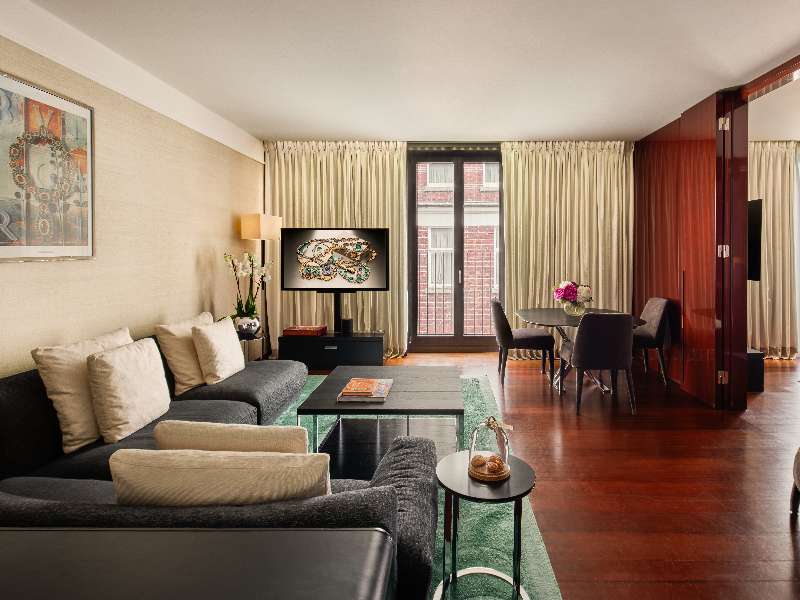
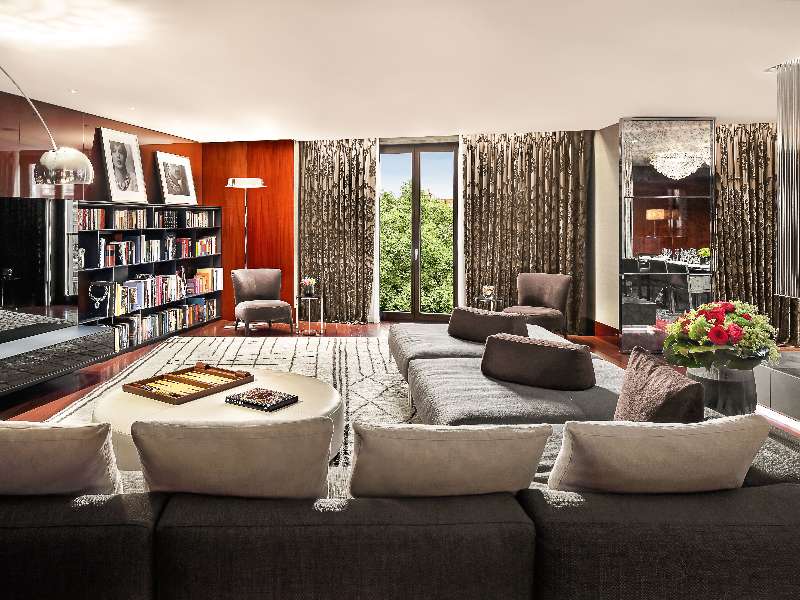
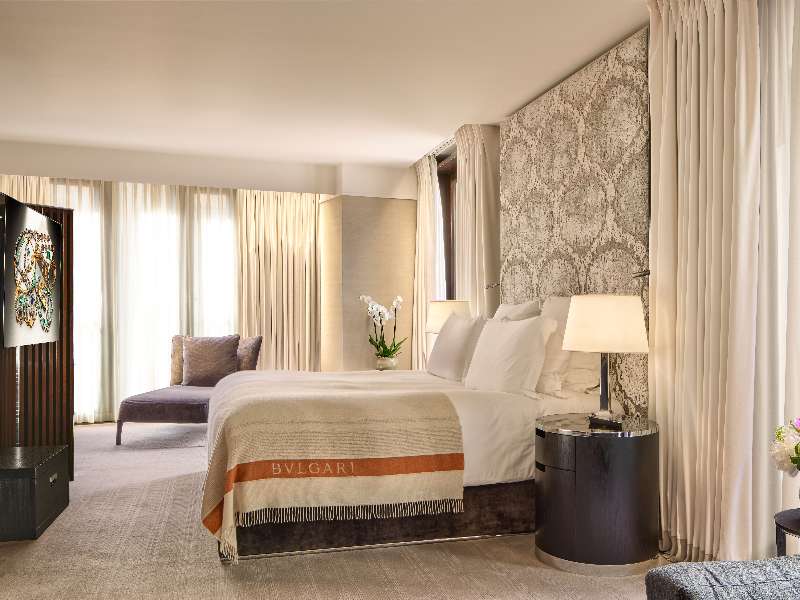
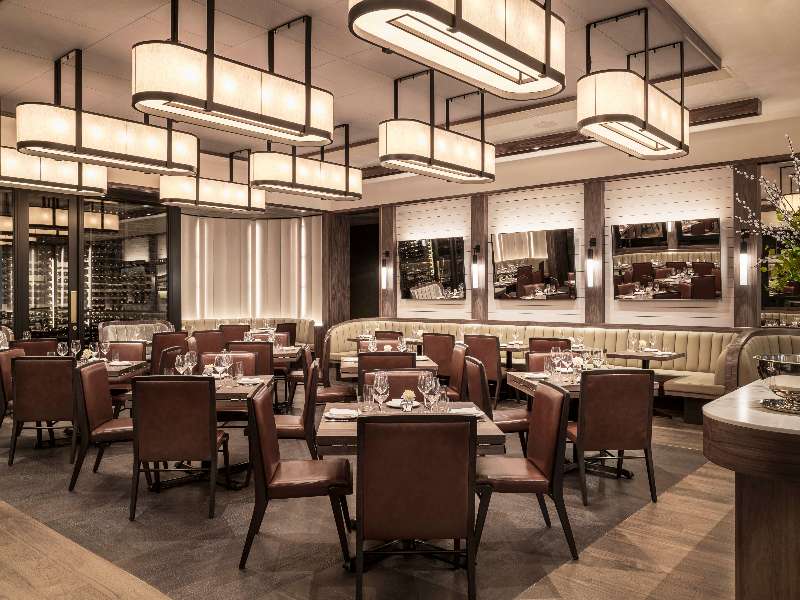





Address: 400 Oxford St, Marylebone, London W1A 1AB
When Henry Gordon Selfridge built his huge department store in the West End, shopping for Londoners would never be the same. The first to understand that shopping could be a fun, seductive and multi-sensorial experience, the U.S.-born businessman was a true pioneer. The majestic Edwardian building on Oxford perfectly reflected the personality of its founder, whose only modest aspect was his height. When television was yet to exist and cinema was in its infancy, Selfridge entertained his clients better than an expo, almost like a ballroom, with a particular eye towards women. His stores, it was often said, were the “third tourist attraction of the capital” after Westminster Abbey and the Tower of London. The attention given to the window displays, “the bargain corner” and the habit of placing perfumes and cosmetics just within the entrance are just a few of the innovations credited to him. The secret was to offer a dream to every customer and, above all, never stop. In 1938, for instance, elevators were installed on Oxford Street that, in themselves only, warranted a visit to the store - the clients could shuttle up and down to various departments in bronze and cast iron boxes designed by the famed Edgar William Brandt. Today, it is possible to admire these at the Museum of London, with decorations inspired by the signs of the Zodiac, as well as exotic Japanese-inspired Swans.
At the Royal Opera House, Andrei Șerban’s visionary staging of Puccini’s masterpiece returns. Amid timeless arias and striking visuals, the ice princess finally exposes her humanity.
For the first time in the United Kingdom, a major exhibition explores the work of Ketty La Rocca, a leading figure in Italian Visual Poetry and Body Art. Over fifty works trace a radical journey through gestures, words, X-rays, and manipulated images. A powerful investigation of language, identity, and the body.
Marie Antoinette: The Queen of Style Who Never Goes Out of Fashion
Featuring more than 250 works, from personal jewels and court dress to creations by Dior, Chanel and Vivienne Westwood, the show traces Marie Antoinette’s lasting impact on fashion, the decorative arts and visual culture.