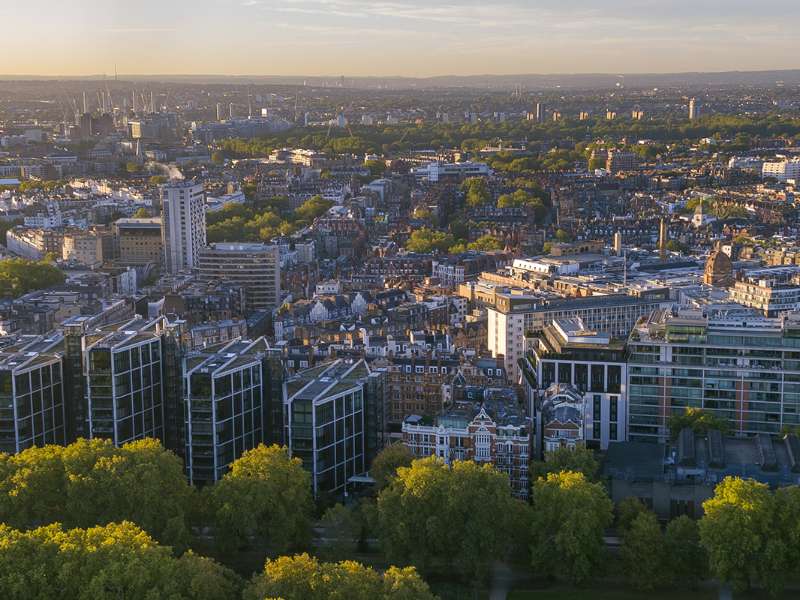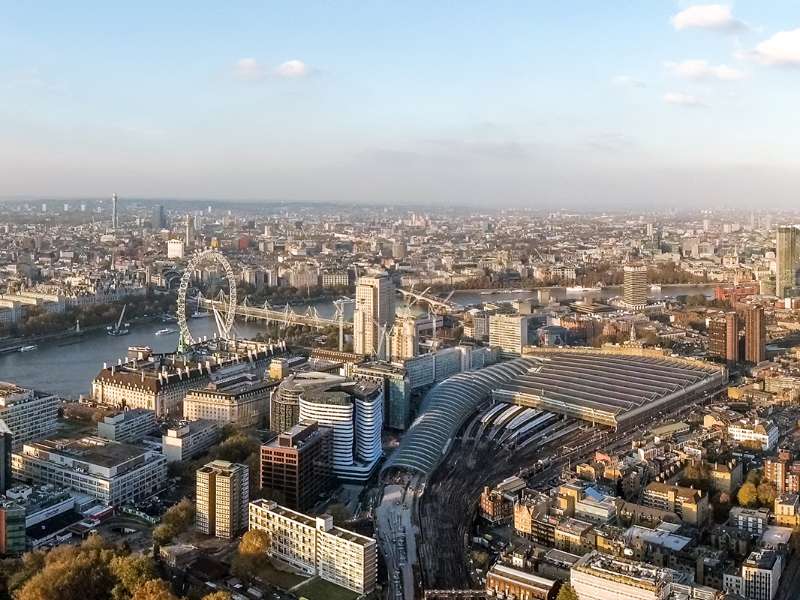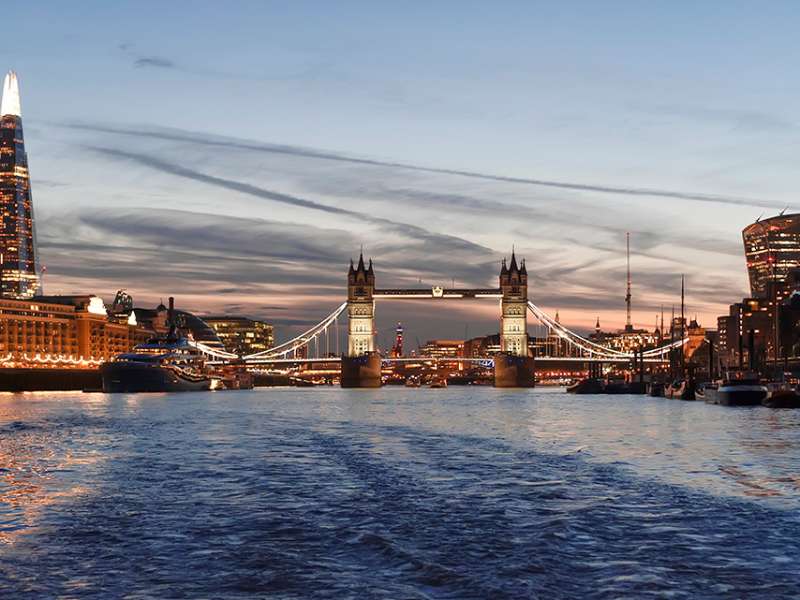
London, February 1892 - the wheels of a carriage roll along a damp street, illuminated by gaslights. A woman’s laugh sounds out at the back entrance to the Saint James Theatre - it is the actress Lillie Langtry, “Europe’s most beautiful woman” according the very demanding Oscar Wilde. Jersey Lily - that’s what they call her - is ready for a grand evening - the curtain is about to open on Lady Windermere’s Fan. In the centre, the past is always laying in wait - it’s enough to turn a corner down a side-street to be assailed unexpectedly by an old story. To follow the footsteps of the Victorian writer, it’s best to start off at his favourite bookstore, Hatchards Bookshop of Piccadilly, founded long ago in 1797, London’s oldest and still a paradise for book-lovers and collectors. In Mayfair, the right address is that of the Royal Arcade, where the unrepentant dandy would usually purchase his famed green carnations - perhaps a secret symbol of homosexuality - and the highly-priced Turkish cigarettes with their gold-leaf tips. And while we may, in front of the imposing Old Bailey building near Saint Paul’s Cathedral, imagine Wilde taking on the scandal of the “trial of the century”, at the Saint James, we can almost hear the applause for the opening night of The Importance of Being Ernest. Algernon’s house, the protagonist of that work, was inspired by a real home, that of 14 Half Moon Street, the dwelling of one of the writer’s lovers, journalist Robert Ross. 34 Tite Street, in the elegant neighbourhood of Chelsea, is the birthplace of The Portrait of Dorian Gray - Wilde lived here for quite a while with his wife and children, right near the judge who eventually convicted him.
Opening in April at Buckingham Palace, Queen Elizabeth II: Her Life in Style traces more than seventy years of reign through garments and accessories from the Royal Collection. The exhibition examines the Queen’s style as a political language, a tool of representation and a form of visual diplomacy.
A research-based exhibition at the British Museum reassesses early Netherlandish drawing as a functional tool within artistic production rather than an autonomous work. Technical studies and revised attributions reveal a collective workshop practice and trace the gradual emergence of drawing as an independent medium.
For the first time, all nine known painted portraits by Jan van Eyck are brought together at the National Gallery in London. An exhibition that explores the birth of the modern portrait in fifteenth-century Northern Europe. Between identity, psychology and new research, the faces of a changing world.
Wimbledon 2026 returns to London, balancing tradition with new technology such as video review. Sinner, Alcaraz and Djokovic lead a new phase of tennis on the sport’s most iconic grass courts.