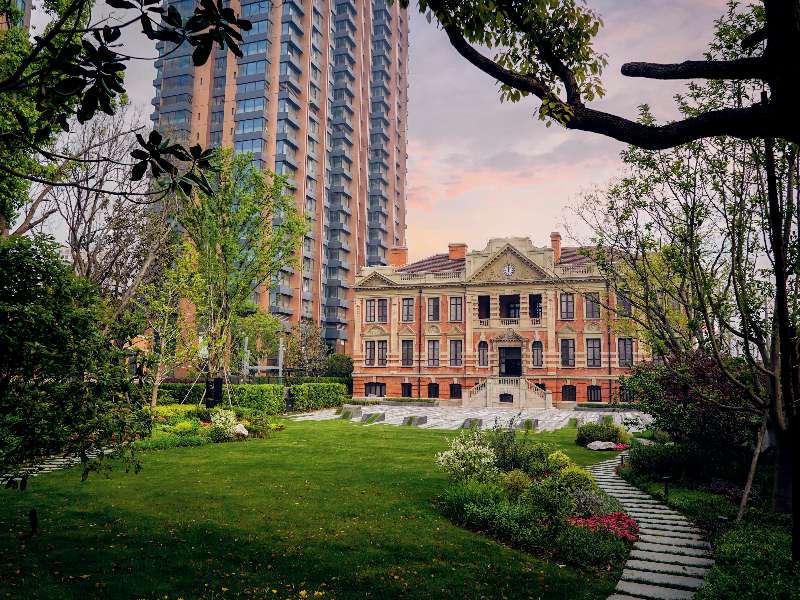
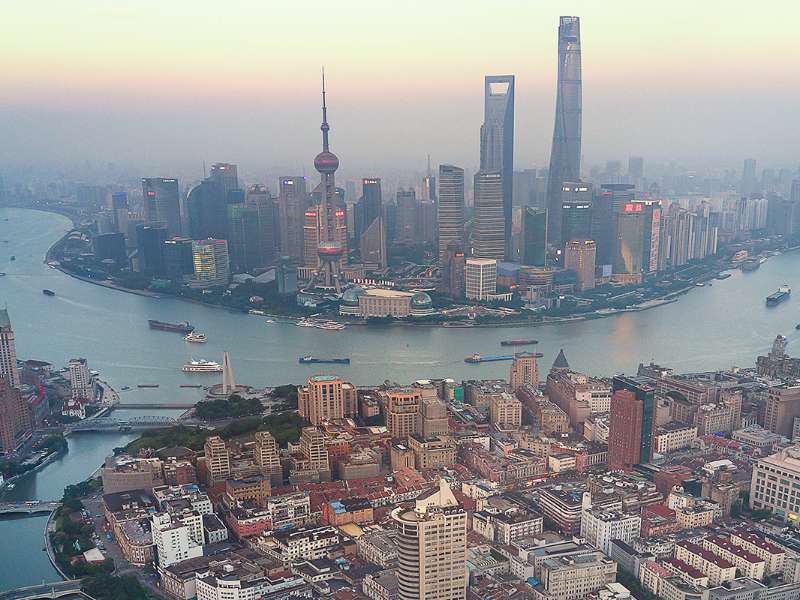
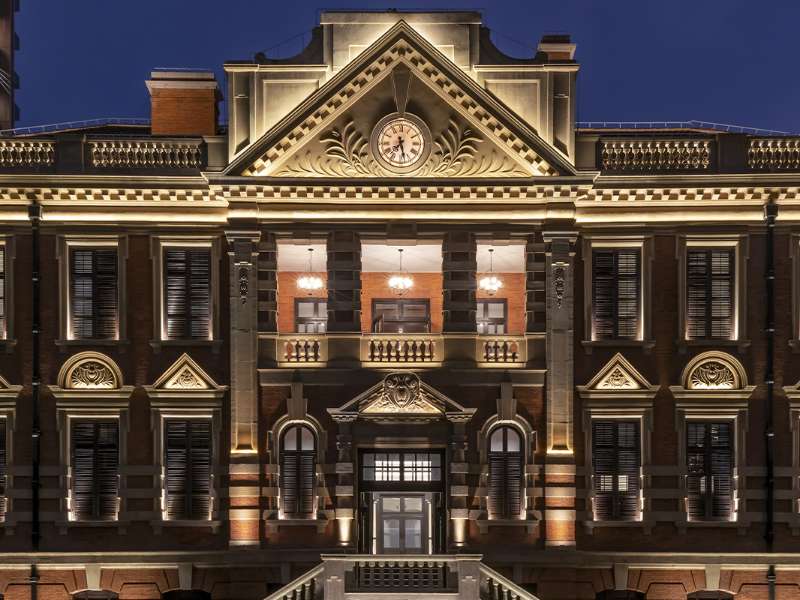
Incredible but true, Shanghai has one of the most extensive Art Déco landscapes in the world and hosts the largest number of Liberty style buildings in all of Asia. At the end of the ‘20s, the largest project in the style of the Belle Époque was conceived in Shanghai. It was known as The Greater Shanghai Plan - an audacious utopian plan, born of an ambitious ideal of giving an egalitarian and dignified life to all Chinese citizens while projecting Shanghai, the eternal city, into the future. It focused on the Northern part of the city which, at the start of the 1900s, was already a remarkable cosmopolitan melting pot, marked by intense contrasts between rich and poor. The staff of urbanists and architects of The Greater Shanghai Plan were, in fact, themselves a surprising mix of Americans, Germans and Chinese. The plan was inspired by the book Garden Cities of Tomorrow, published in 1902 by British expert Ebenezer Howard. The project was begun officially in 1931, but was abandoned in 1937 when war broke out. Of that “spirit of a new age”, there are very few but magnificent buildings left, that of the City Hall, for instance. A remnant - somewhat nostalgic, yet singular and fascinating - of a broken dream.