





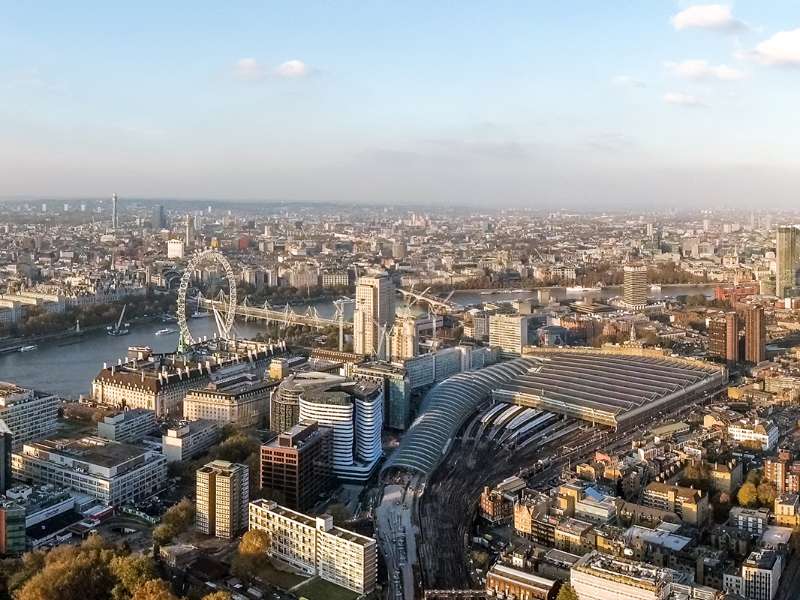
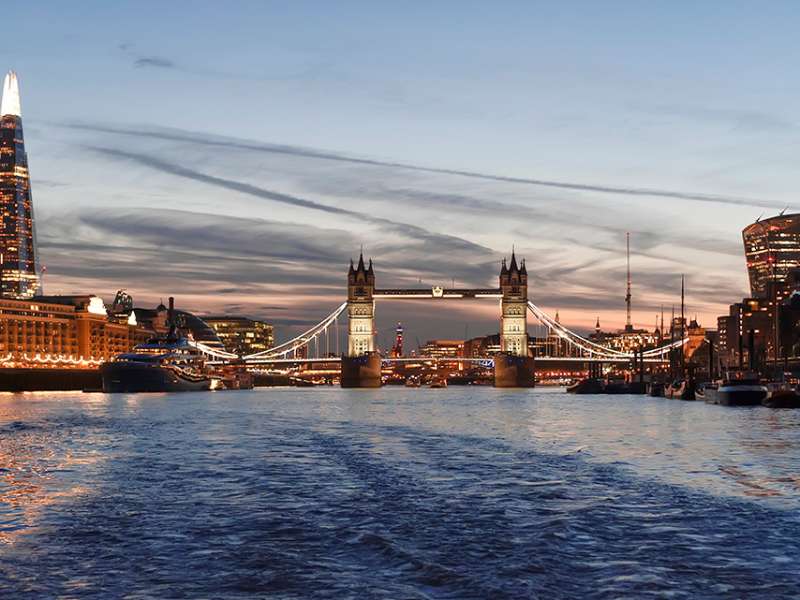
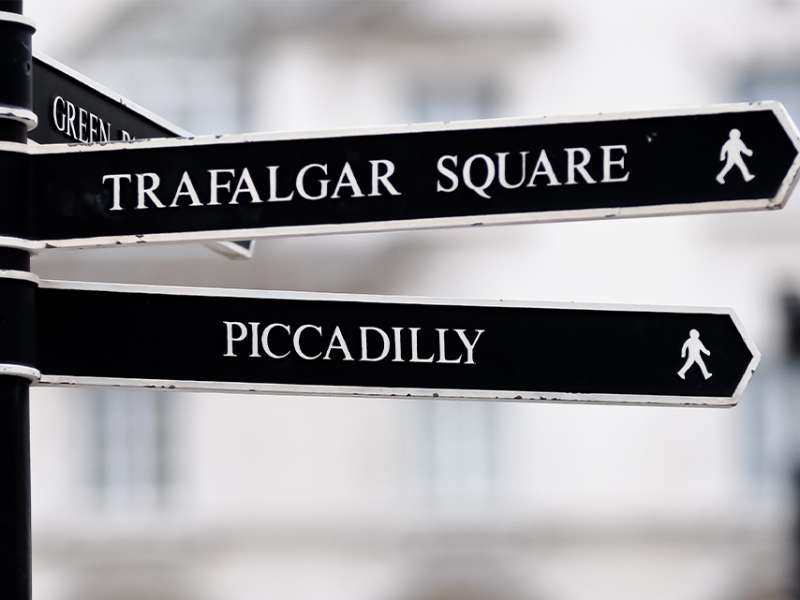

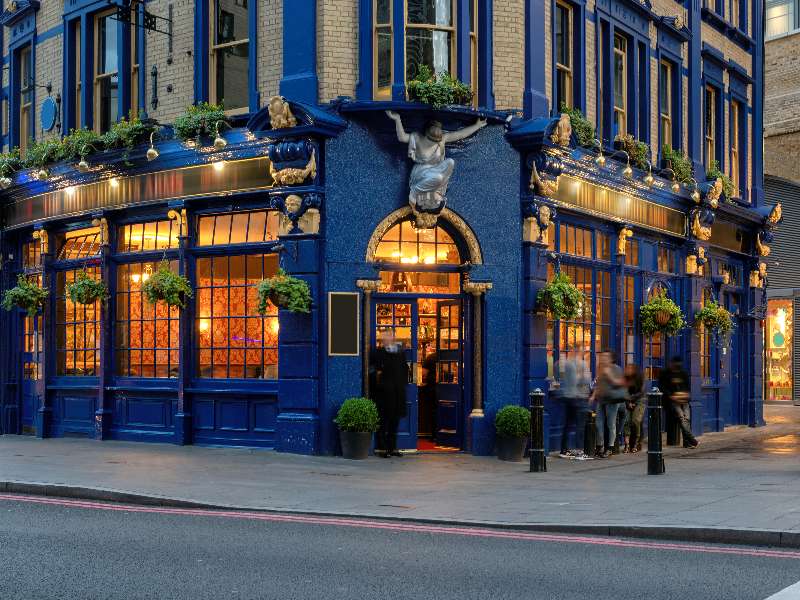
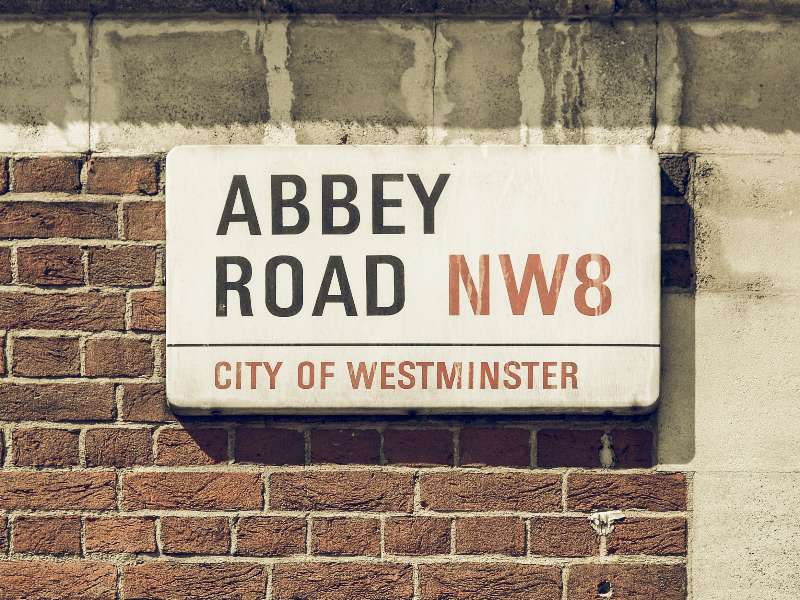
Change and tradition. London never ceases to amaze. Capital of the revolutions of customs, fashion and music, Britain’s megalopolis has always guarded its icons well. Carnaby Street is one of those places with its very roots in legend. The stomping grounds of the mods and their scooters at the end of the ‘50s, the pulsing heart of Swinging London as depicted on the cover of Time Magazine in 1966 and then the skinheads, punks and new romantics, all the way up to the modern tribes of street style - for more than sixty years, this street has been the epicentre of the culture and lifestyle of London’s West End. In the heart of Soho, just a few steps from Oxford Street and Regent Street, Carnaby has changed its face a thousand times through the years. While the mini-skirt of Mary Quant is no longer a scandal and the window displays of Marion Foale and Sally Tuffin have been replaced by the boutiques of international brands, you can still feel the vibe of when the Who and The Rolling Stones played in the neighbourhood’s underground clubs. Of course, Carnaby is less alternative than it once was, but it’s no coincidence that a new ecological revolution has begun here under the guidance of the heirs of the Stones. Georgia and James Jagger, along with Ty Wood and other VIP millennials like Pixie Geldof, Rita Ora and Poppy Delevigne are promoting the Blue Turtle Trail on Carnaby Street, the social campaign to eliminate single-use plastics in the city and promote eco-sustainable fishing products in London’s restaurants and bars.
At the National Gallery in London, a remarkable exhibition brings back into focus one of the most enigmatic figures of eighteenth-century British painting, George Stubbs, exploring his quiet revolution in the depiction of the horse, an animal that, for the artist, became far more than a symbol of status or aristocratic refinement.
The Courtauld Gallery in London reveals an unexpected side of Barbara Hepworth: the sculptor who painted emptiness. Hepworth in Colour intertwines form and pigment in a vivid story where colour does not decorate but breathes within the material.
At the Royal Opera House, Andrei Șerban’s visionary staging of Puccini’s masterpiece returns. Amid timeless arias and striking visuals, the ice princess finally exposes her humanity.
Marie Antoinette: The Queen of Style Who Never Goes Out of Fashion
Featuring more than 250 works, from personal jewels and court dress to creations by Dior, Chanel and Vivienne Westwood, the show traces Marie Antoinette’s lasting impact on fashion, the decorative arts and visual culture.