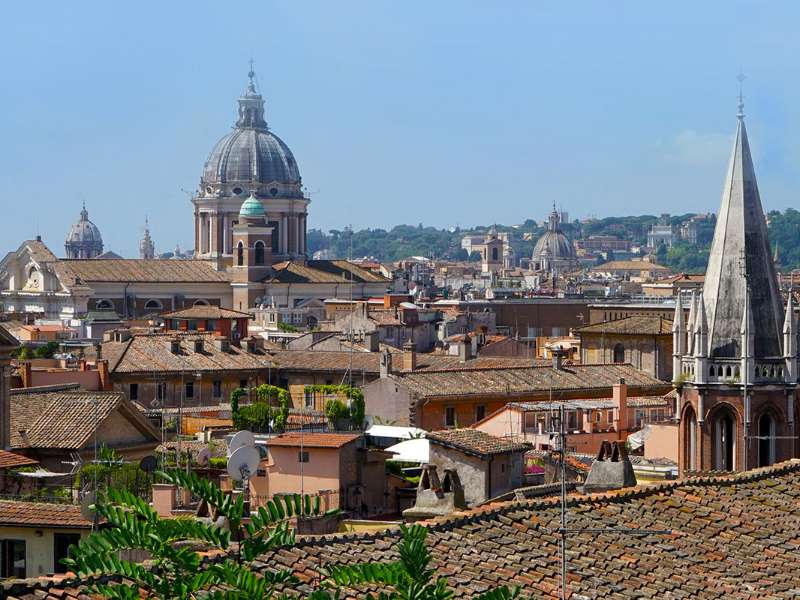
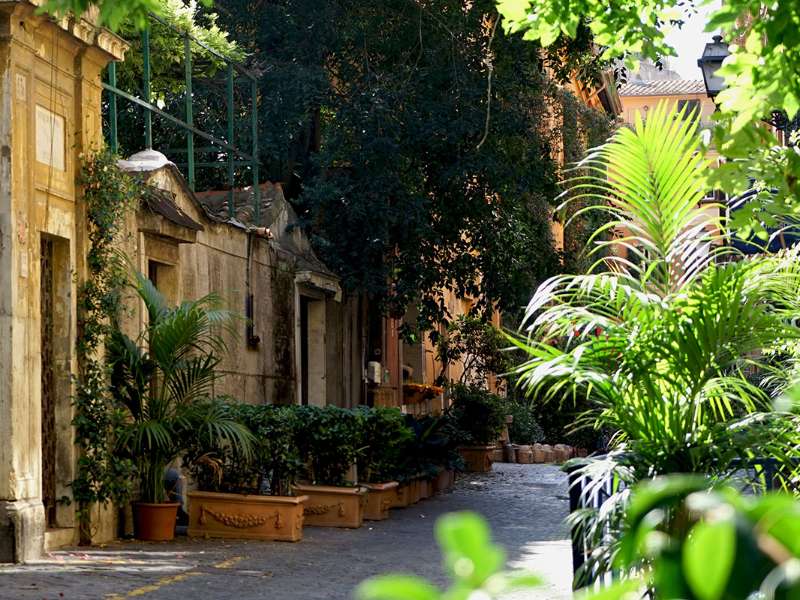
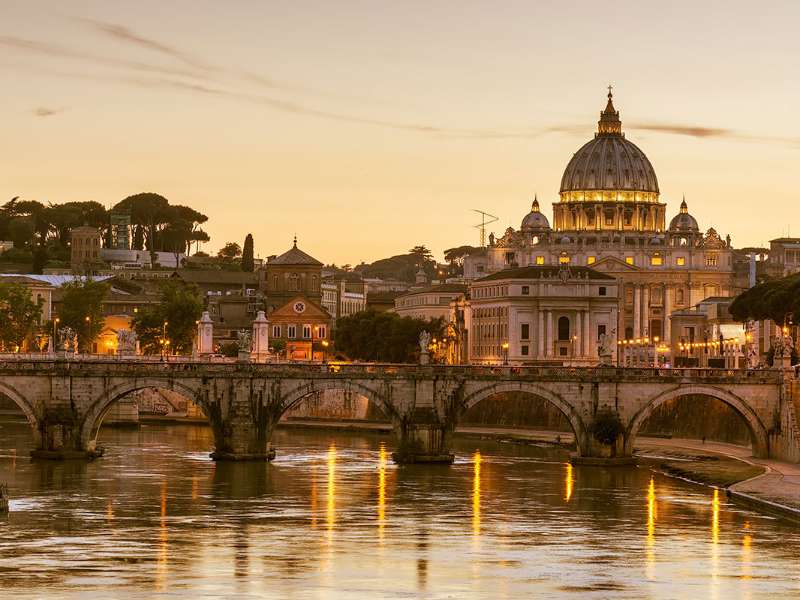
Across the folds of Rome, its gardens trace a parallel history of the city - a verdant atlas shaped by power, taste, and imagination. This exhibition brings together nearly two hundred works - paintings, drawings, prints, manuscripts - compose a vast fresco of how Rome’s villas and landscapes have evolved from the Renaissance to the twentieth century. The journey begins in the sixteenth century, when popes, cardinals, and aristocrats rediscovered the ancient ideal of otium and transformed vineyards and orchards into refined pleasure estates. Models like Villa Madama, Villa Giulia, the Farnesina, and the Vatican Belvedere take form: orchestrated terraces, fountains, and perfect geometries created by Masters such as Raphael and Vignola. In the seventeenth century the garden becomes a theatrical machine: the Baroque magnificence of Villa Borghese, Villa Ludovisi, and Pigneto Sacchetti dazzles visitors with engineered perspectives, flowing water, and statues emerging from sculpted groves. The eighteenth century ushers in an age of “good taste,” where French-style parterres, shaped bosquets, and celebrated villas - above all that of Cardinal Albani - blend classical rigor with early picturesque charm. But the nineteenth century breaks the spell: wars, revolutions, and Rome’s rise as the capital of a new nation lead to the destruction of entire historic complexes, while new public promenades transform gardens from aristocratic privilege into shared urban spaces.
The twentieth century alternates between propagandistic urban planning and renewed visions of greenery: historic villas are demolished to make way for monumental avenues, while architects like Raffaele de Vico redesign parks and overlooks for the modern city. A final section reveals the vibrant social worlds that once animated the villas - settings for hunts, fêtes, performances, and intellectual gatherings that later became stages of the Grand Tour and, eventually, beloved routes for weekend strolls between the Pincio and Villa Borghese. Rich, often unpublished, and meticulously reconstructed, this survey portrays Rome as a living organism in which gardens are not mere backdrops but protagonists - archives of memory, emblems of power, sanctuaries for the eye. A mosaic of lost and rediscovered landscapes that, through art, tells the story of the city’s continuous metamorphosis.
Viola Canova - © 2025 ARTE.it for Bvlgari Hotel Roma

.jpg/jcr%3Acontent)


.JPG/jcr%3Acontent)

.jpg/jcr%3Acontent)
.jpg/jcr%3Acontent)
.JPG/jcr%3Acontent)
.JPG/jcr%3Acontent)
.JPG/jcr%3Acontent)