Every life leaves traces. Not only in memories or photographs, but also in bodies, faces, gestures and the objects that accompany us through time. It is from this idea that The Living Archive, the new solo exhibition by Syrian artist Ahmad Tallaa at Firetti Contemporary in Dubai, takes shape. For Tallaa, an archive is not a collection of documents preserved on shelves, but a living organism in constant transformation. Every experience leaves a mark, every wound reshapes matter, every passing moment rewrites identity. The works on display become a meditation on what remains of existence when memory is no longer confined to the mind but becomes embedded in the very surfaces of the world. The exhibition begins with a series of handmade artist's books created from recycled materials and raw canvas. From these pages unfolds an entire body of work featuring large-scale portraits composed of sand collected in the United Arab Emirates, pigments, plaster dust and acrylic. The faces seem to emerge slowly from the canvas, like archaeological finds brought back to light after a long excavation. Cracks, abrasions and layers are not treated as imperfections but as visible evidence of the passage of time. The idea of the archive extends into installations made from reclaimed wooden panels, where barely perceptible facial features emerge at the edge of visibility. Rather than revealing themselves immediately, these faces invite viewers to search for them. The same is true of Tallaa's plaster sculptures depicting sleeping figures, suspended between stillness and disappearance, presence and absence. Born in Damascus and now based in the United Arab Emirates, Ahmad Tallaa has developed a practice deeply rooted in themes of memory, displacement and transformation. His work relies on humble materials and handcrafted processes that give matter the same importance as the image itself. Surfaces are scratched, rebuilt and worn away again, gradually becoming repositories of lived experience rather than simple representations. The exhibition is accompanied by a quotation from the Syrian poet Adonis: "I am not who I am. I am who I become." It may well be the key to the entire project. The Living Archive does not present the past as something finished, but as a living presence that continues to shape the present. Tallaa suggests that the archive is not what we preserve on a shelf, but what we continue to carry within ourselves.
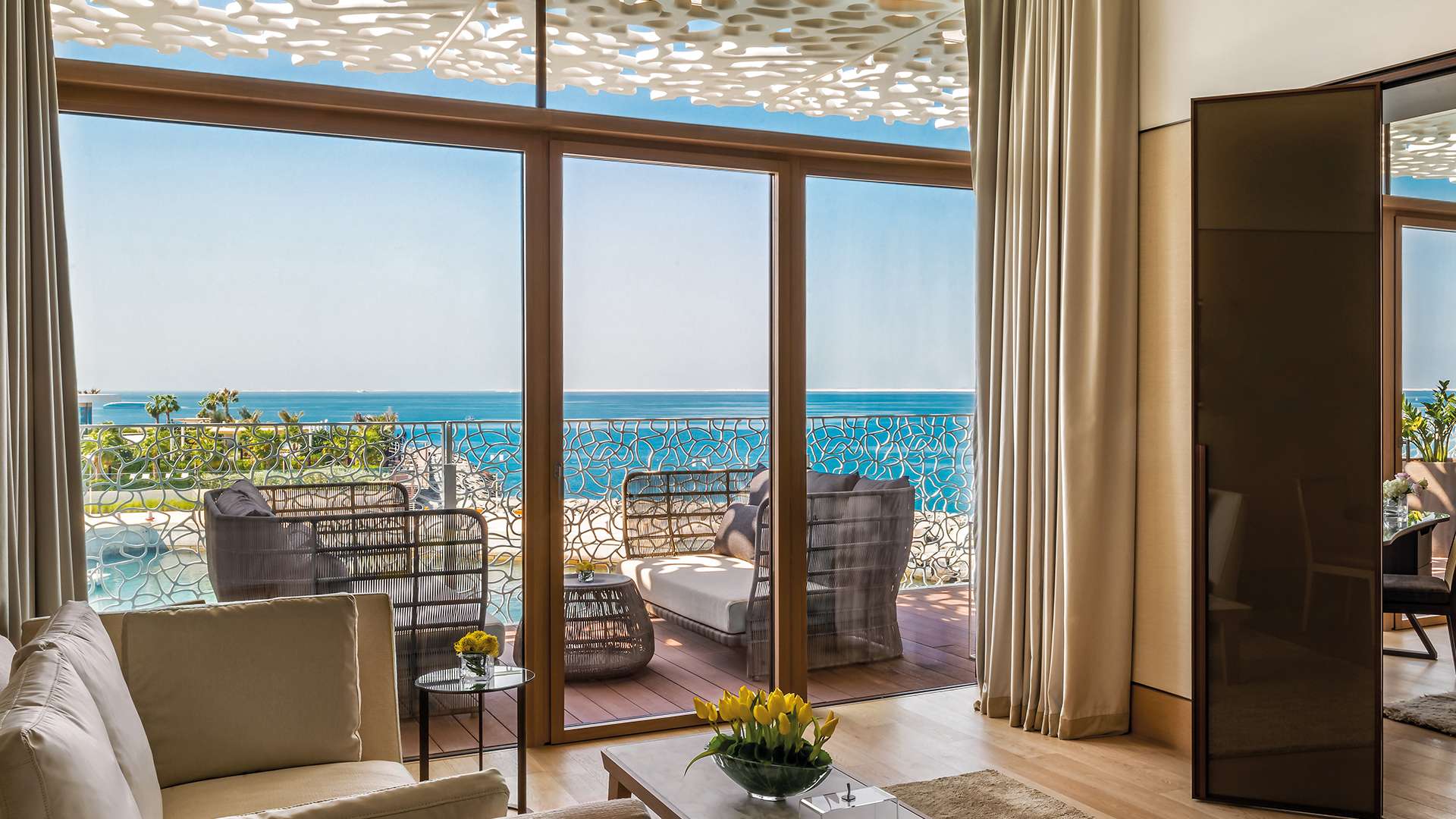
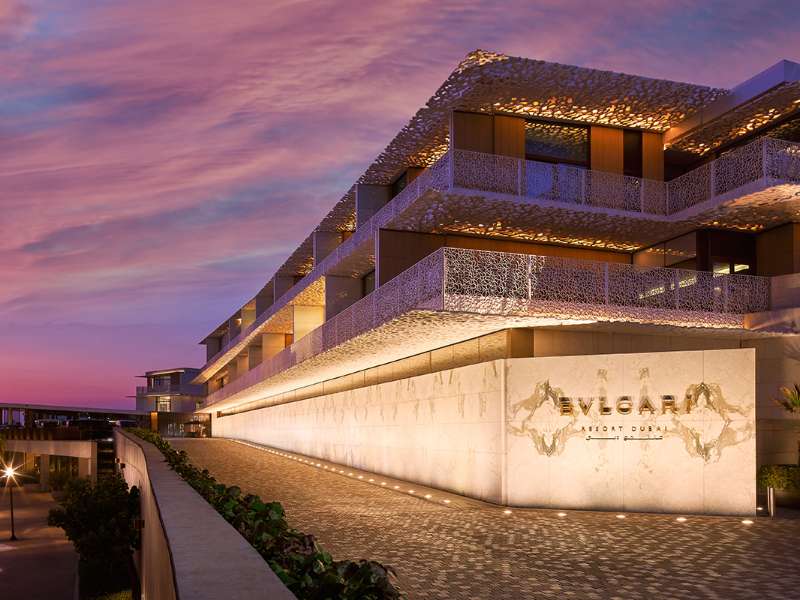
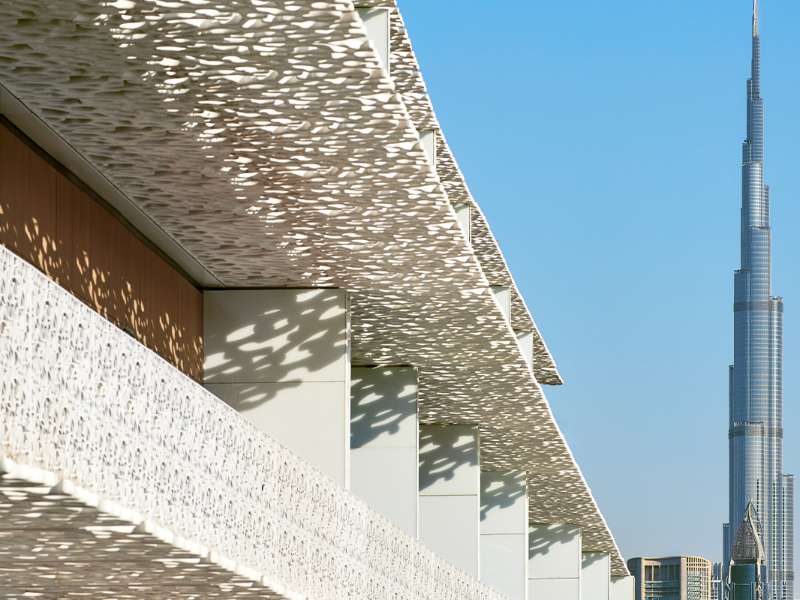
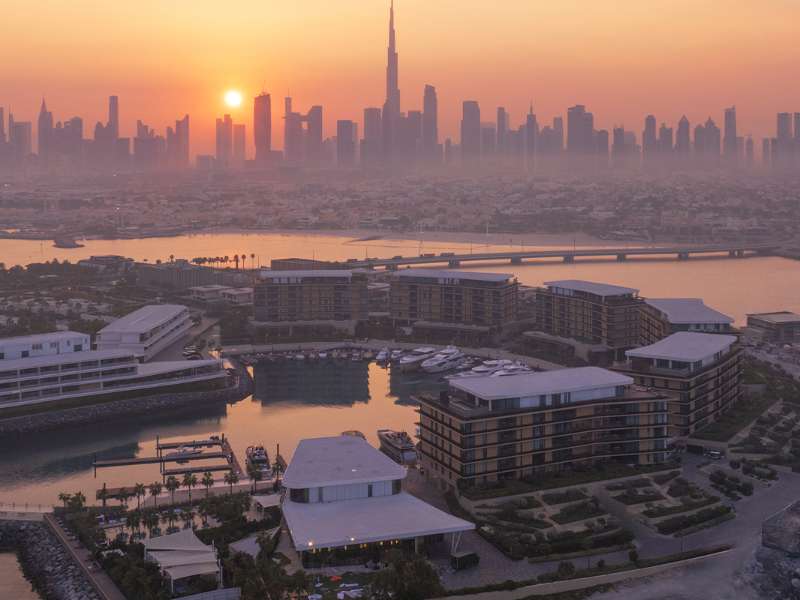
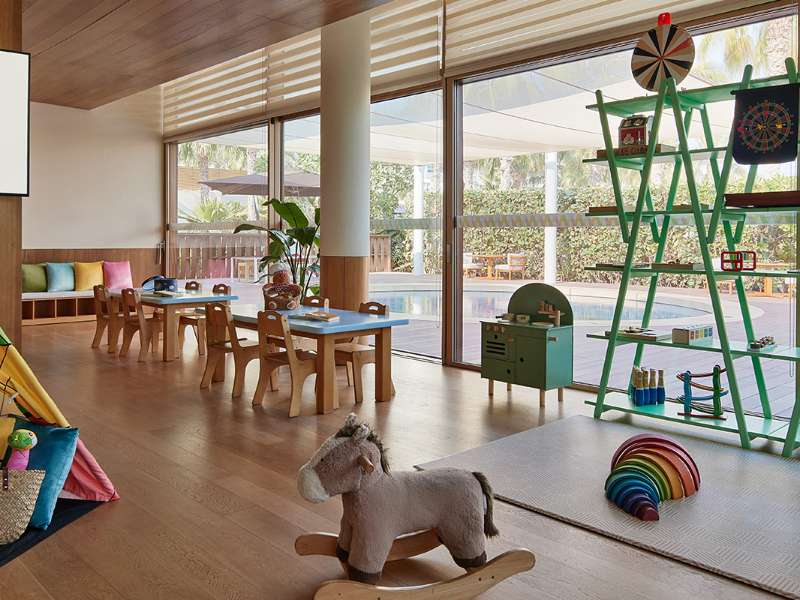
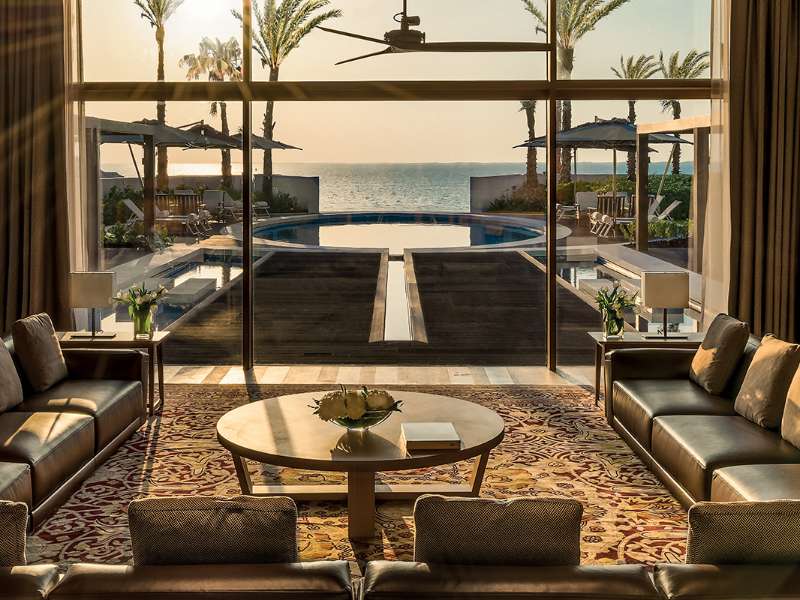
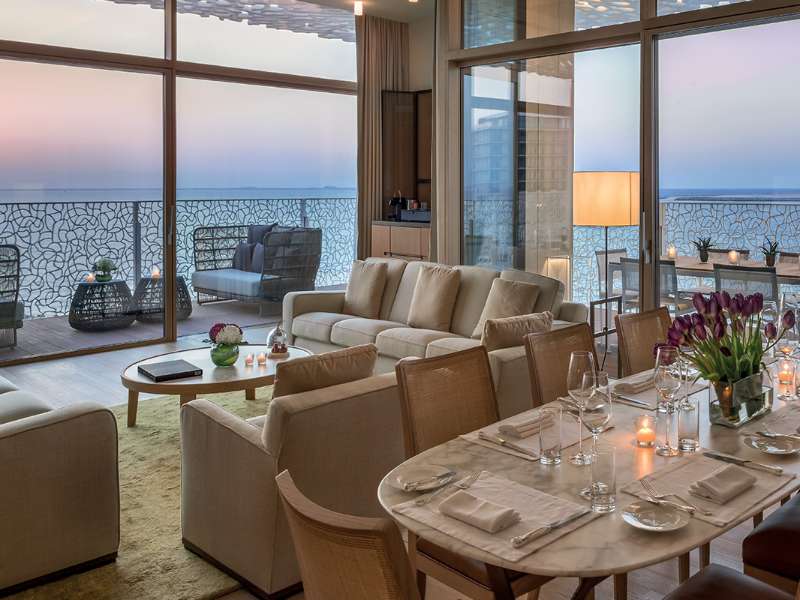
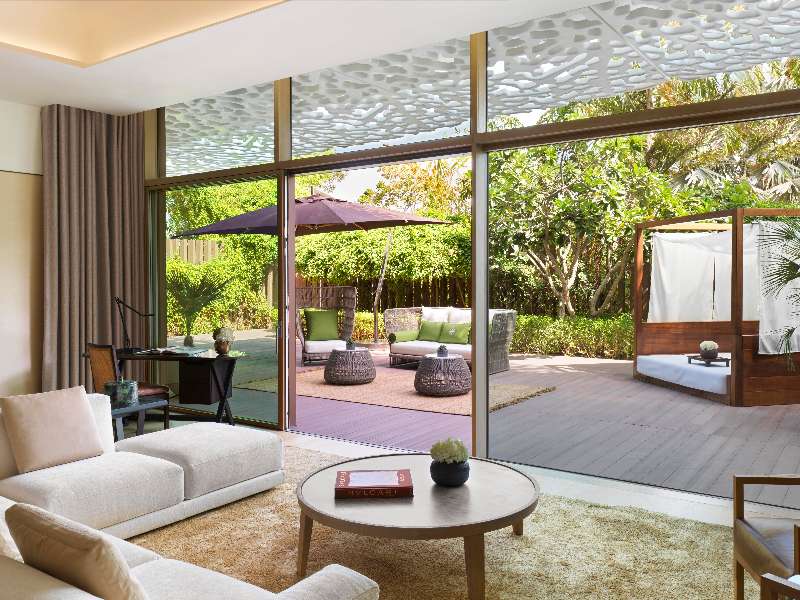
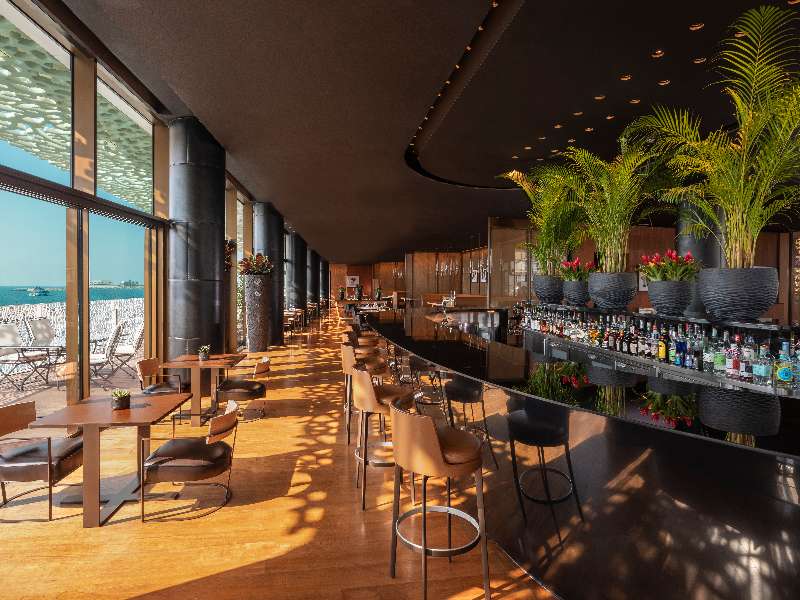
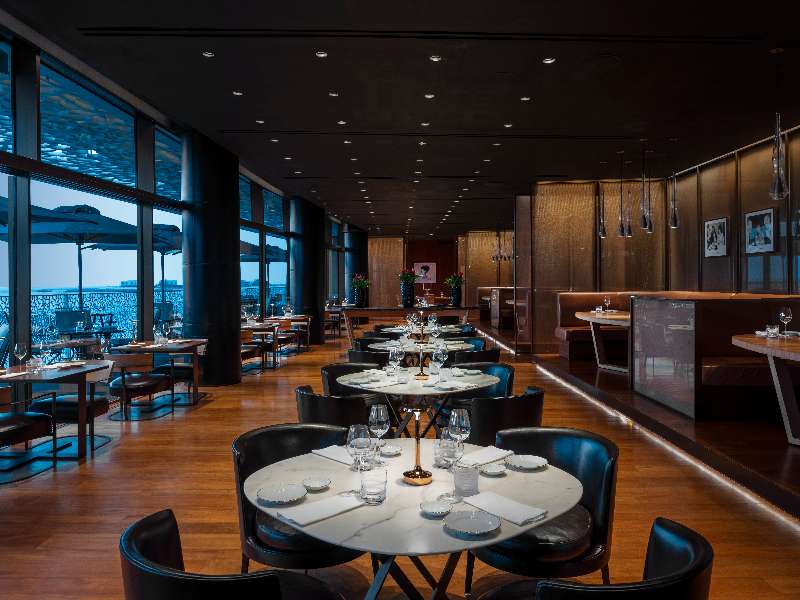
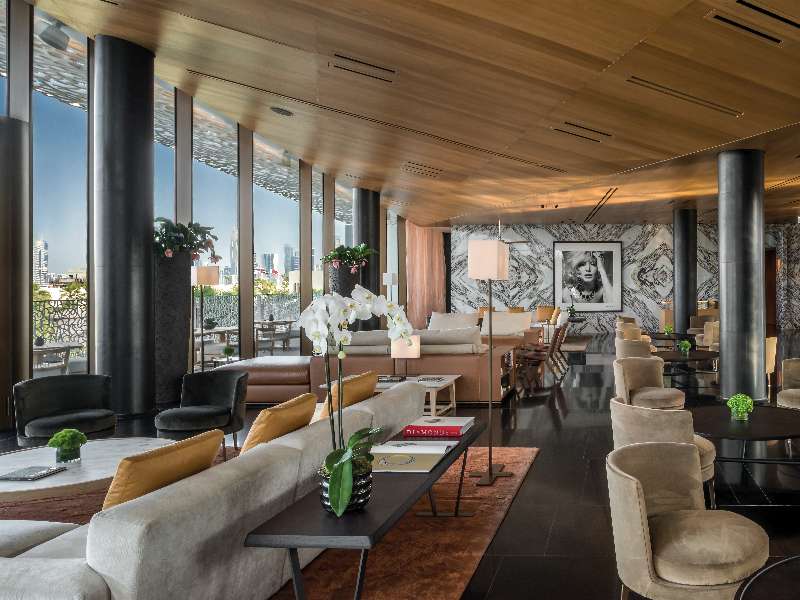
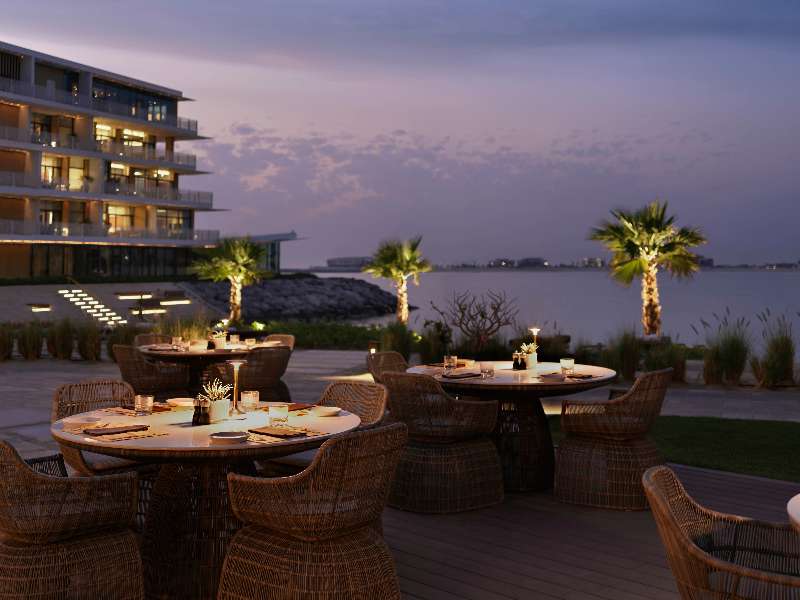
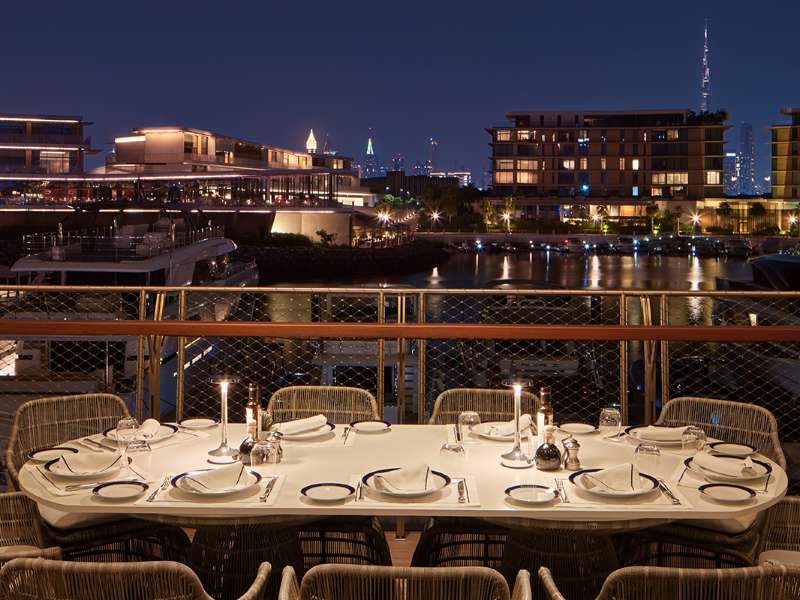
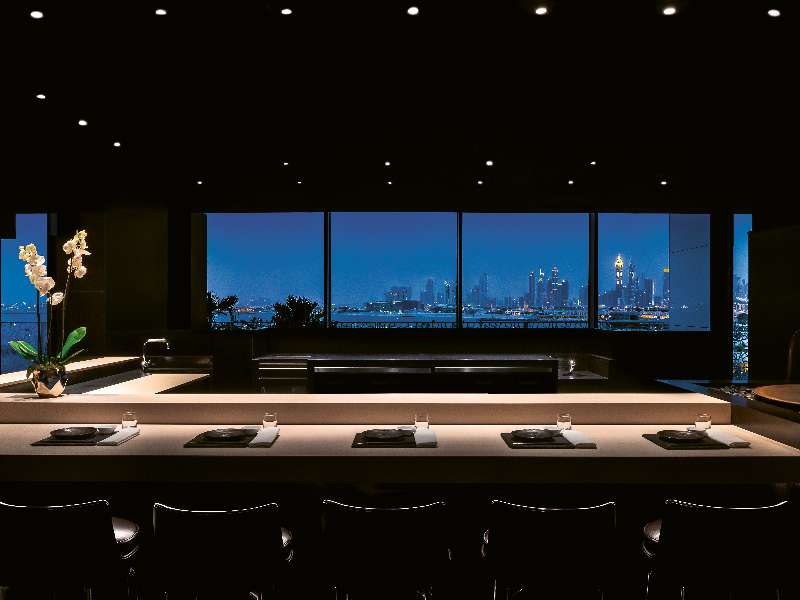
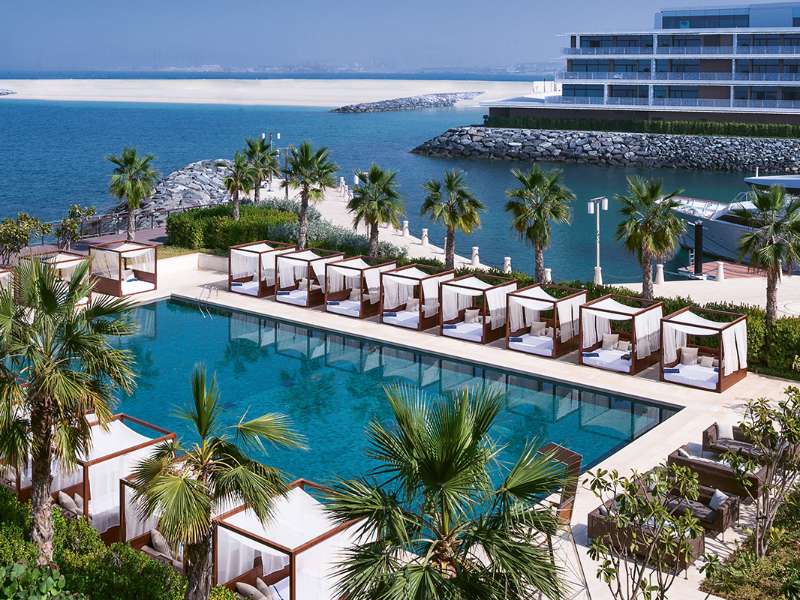
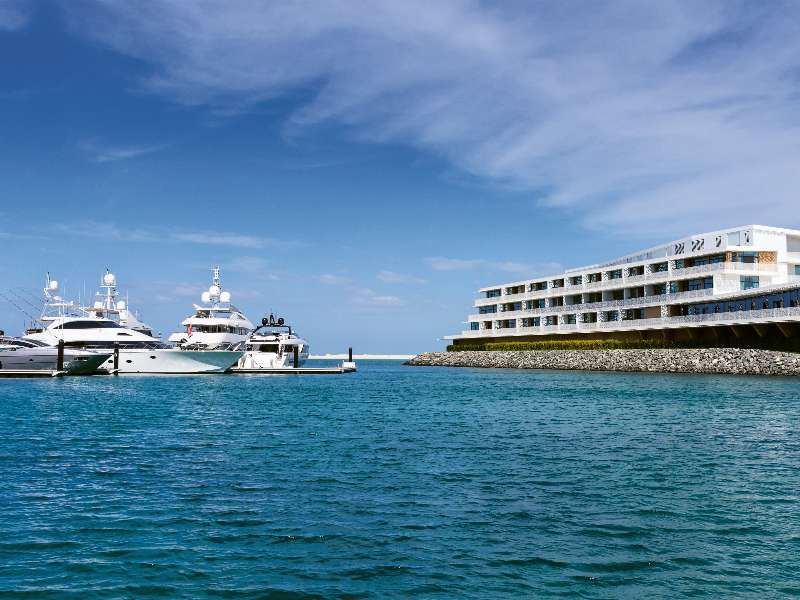
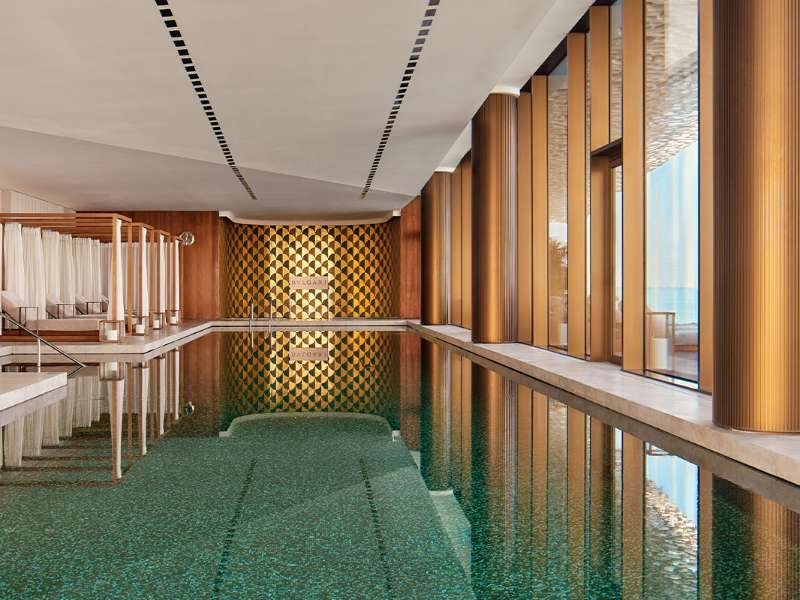
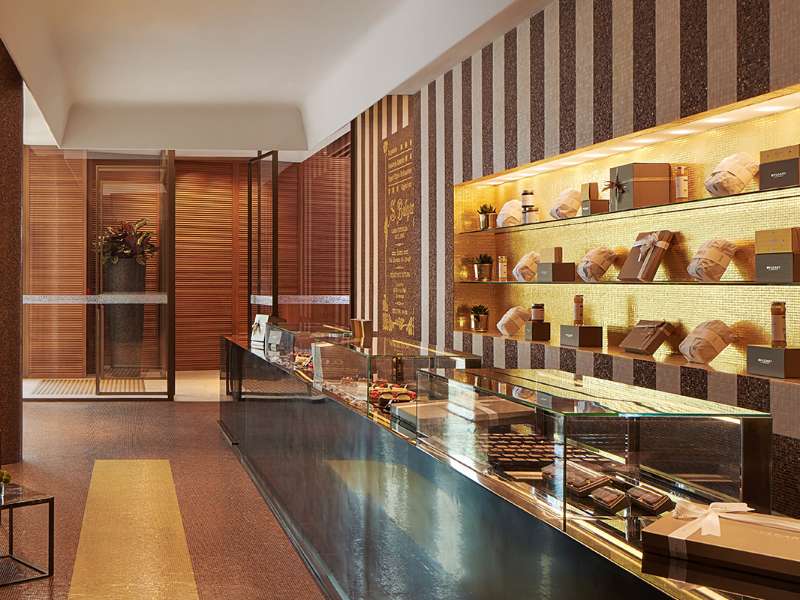
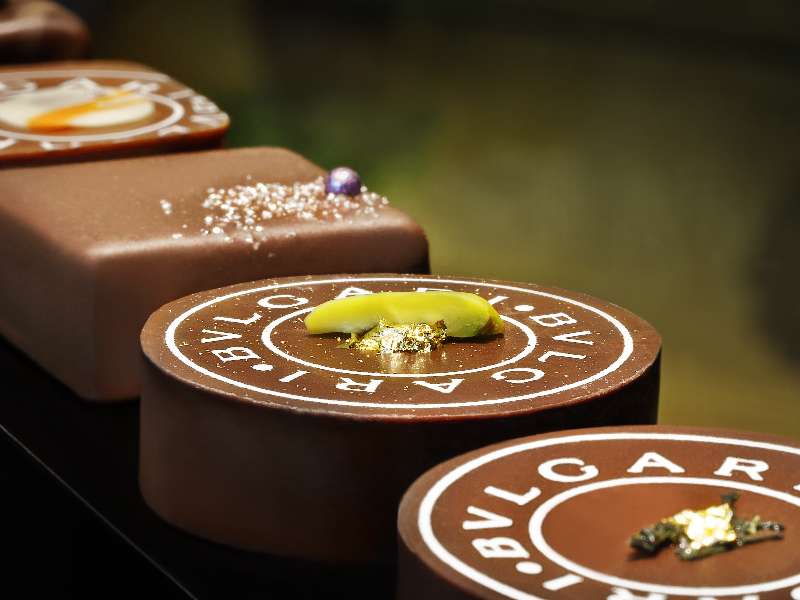
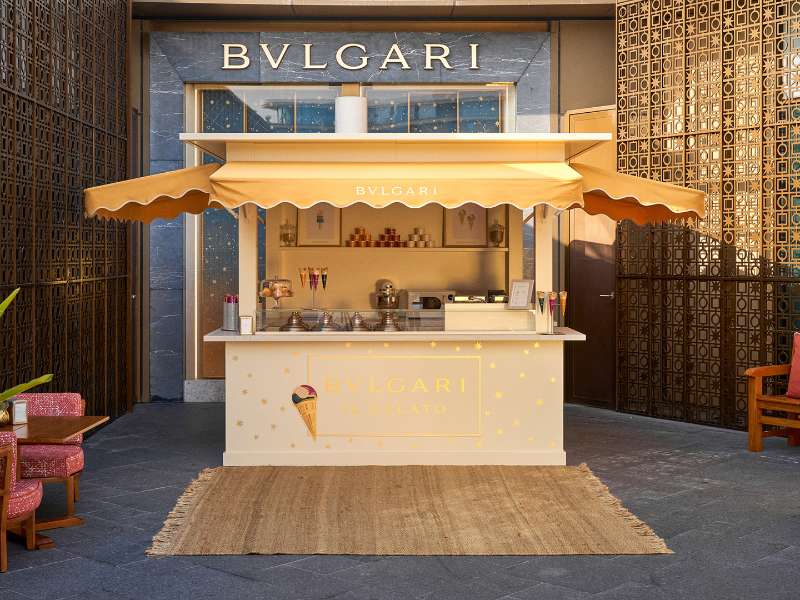
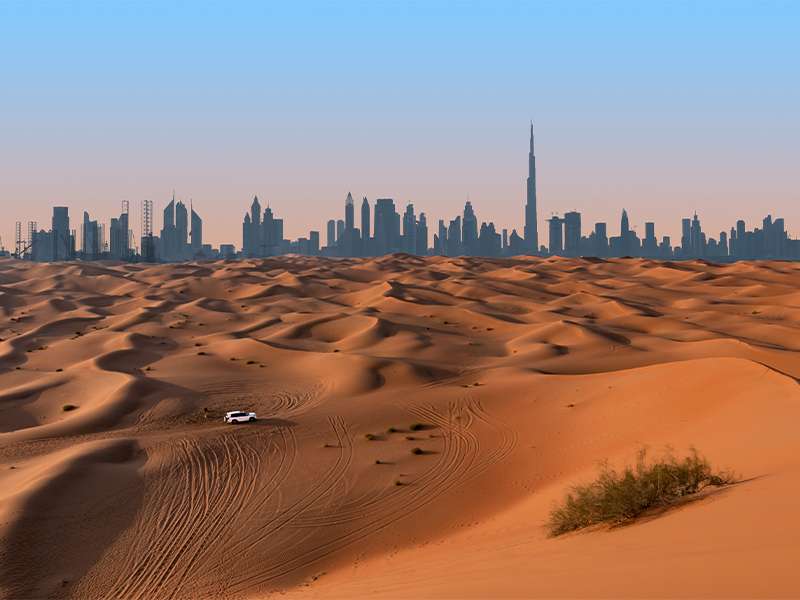
The art of hospitality is a thread running through every experience at the Bvlgari Resort Dubai. Relaxing, thoughtful, and elevated, the new exclusive Bvlgari offers are crafted as refined multifaceted escapes capturing all the best of the Resort. A beautiful way to reconnect or immerse oneself in the distinctive charms of Dubai while experiencing unparalleled Italian hospitality in the heart of the UAE.