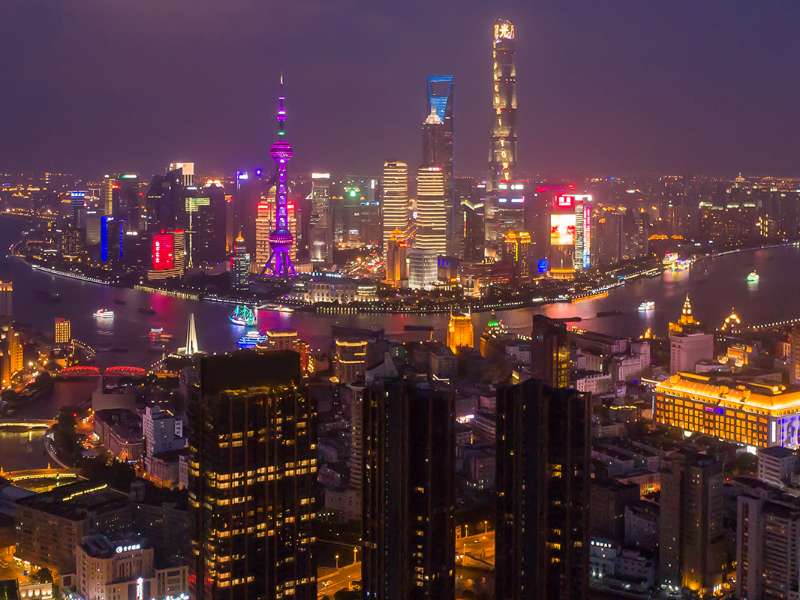
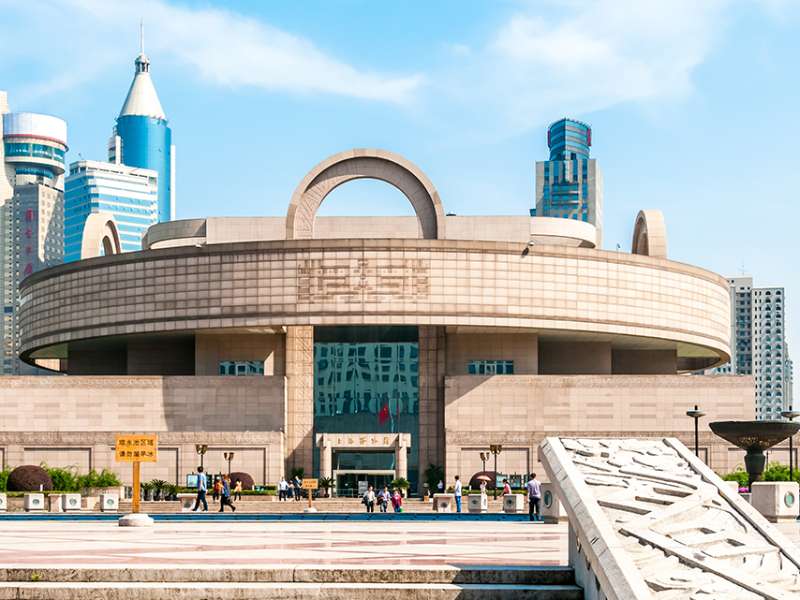
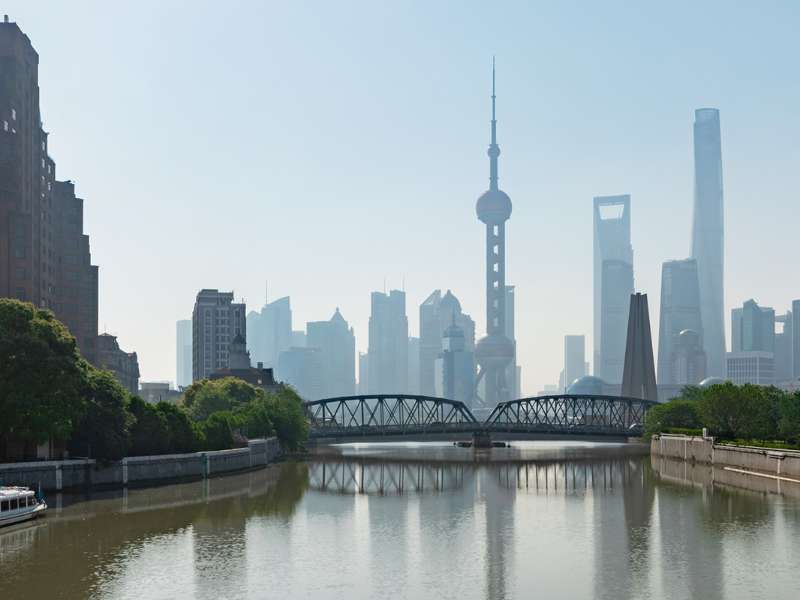
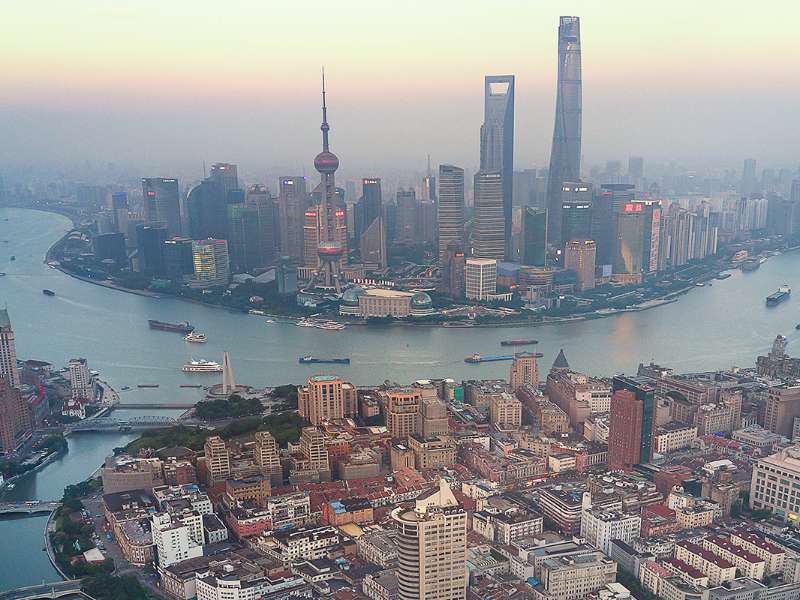
At Fotografiska Shanghai, Andrew Grassie’s new project invites viewers to reconsider the relationship between photography and painting in an age where images move at vertiginous speed. The British artist, known for his meticulous egg-tempera technique, transforms eleven photographs of Shanghai - selected from more than a thousand submitted by the public - into paintings of striking quietness and intensity. Although Grassie’s practice is often linked to photorealism, it departs from it radically: he is not pursuing imitation but what he calls “extreme replication,” an act of translation in which every pixel becomes a human gesture, every detail a deposit of time. It is in the slightest deviation between the original image and the painted one that the core of his research emerges: the interference of the hand, the eye, and emotion, introducing a warmth impossible to achieve through mechanical means. The works hover in a state of visual suspension, poised between reality and representation, between the transient and the enduring. Grassie thus restores a contemplative intensity to fragments of urban life, transforming anonymous scenes into meditations on seeing, remembering, and inhabiting time. In a world saturated with images, his painting brings the gaze back to its slowest and deepest essence.
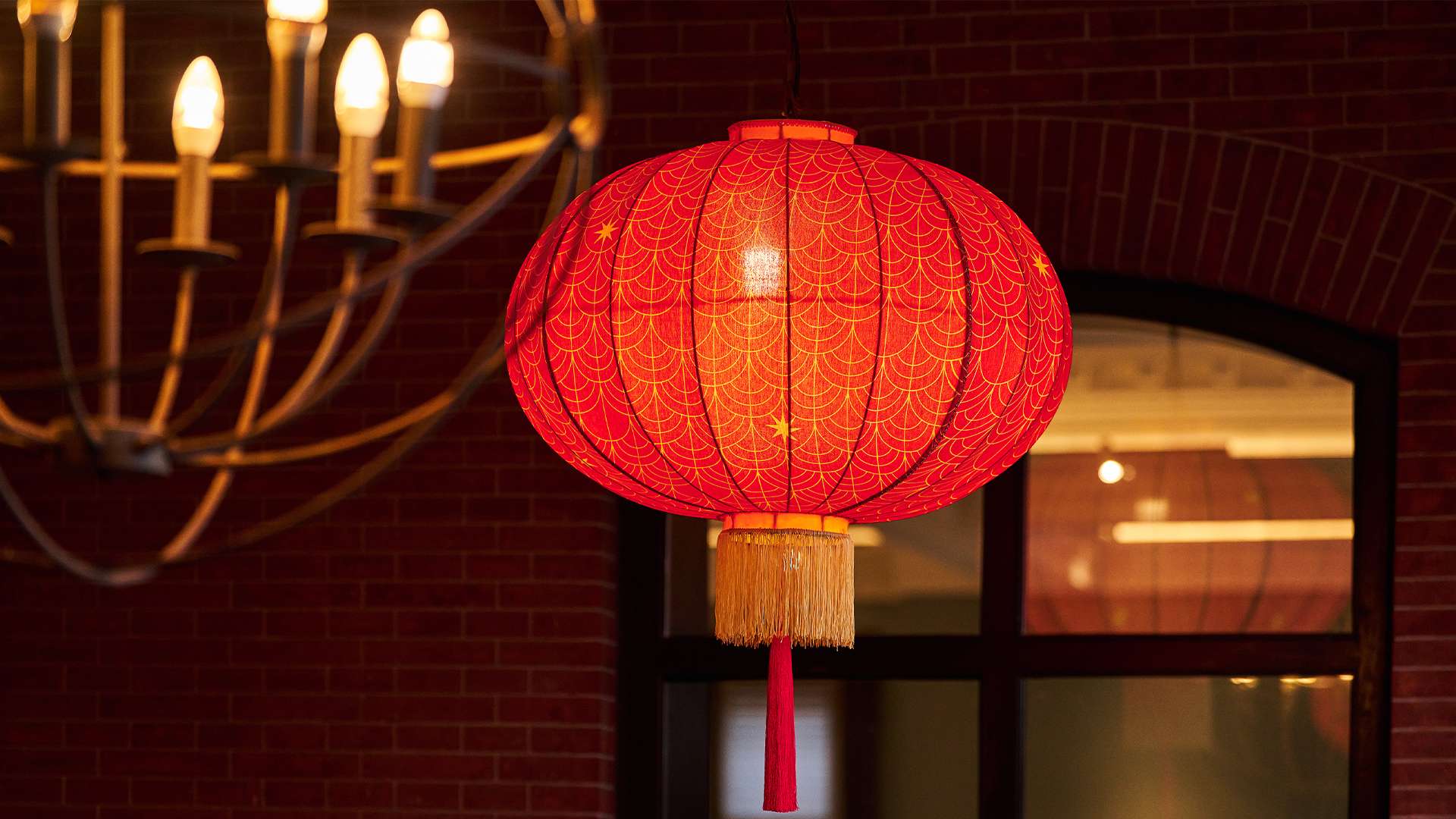
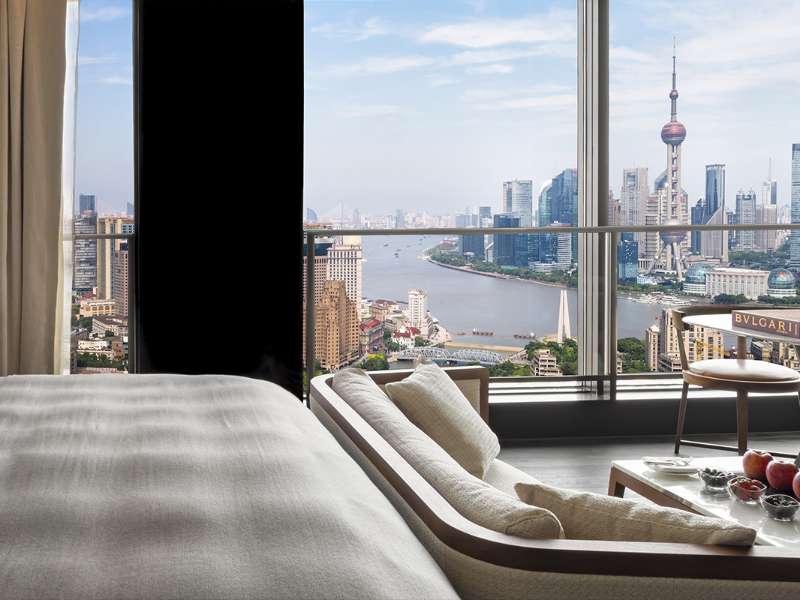
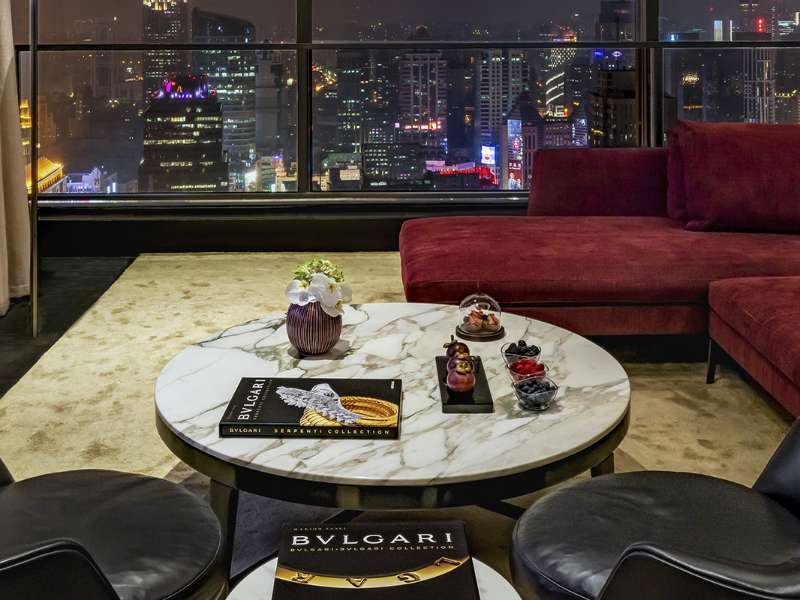
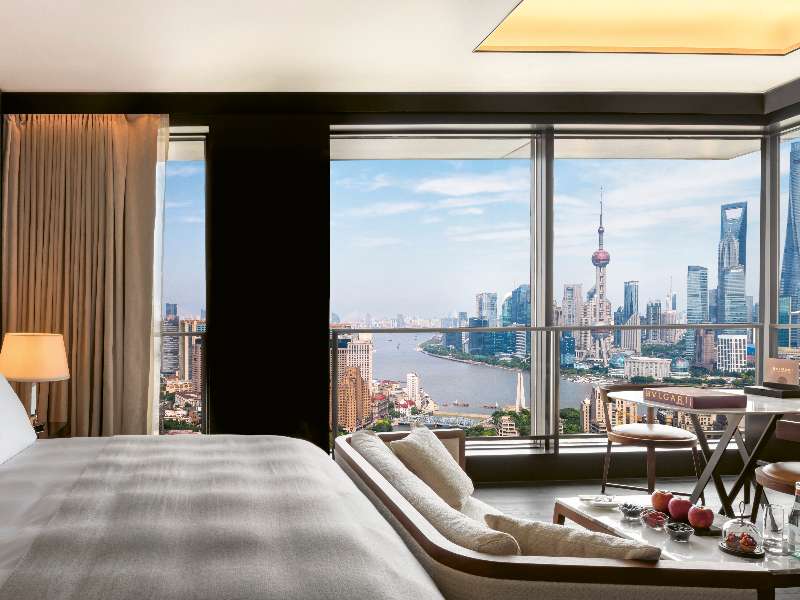
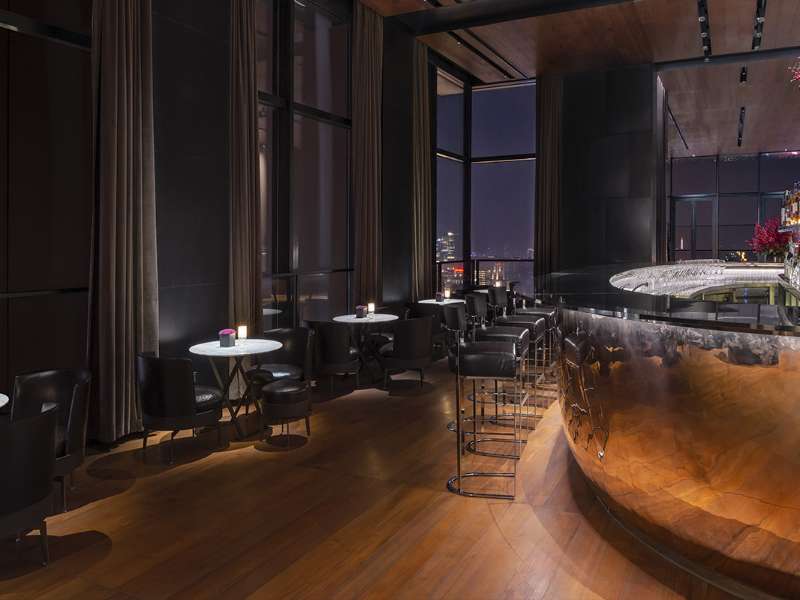
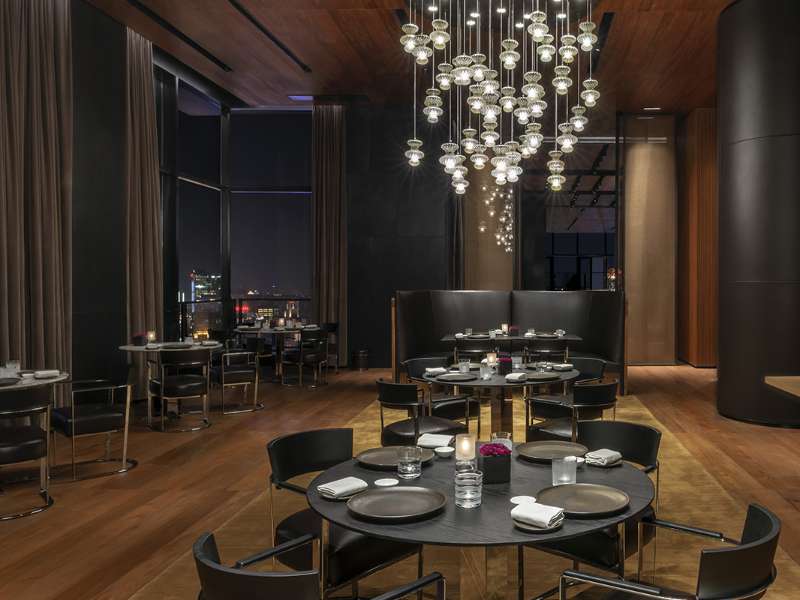
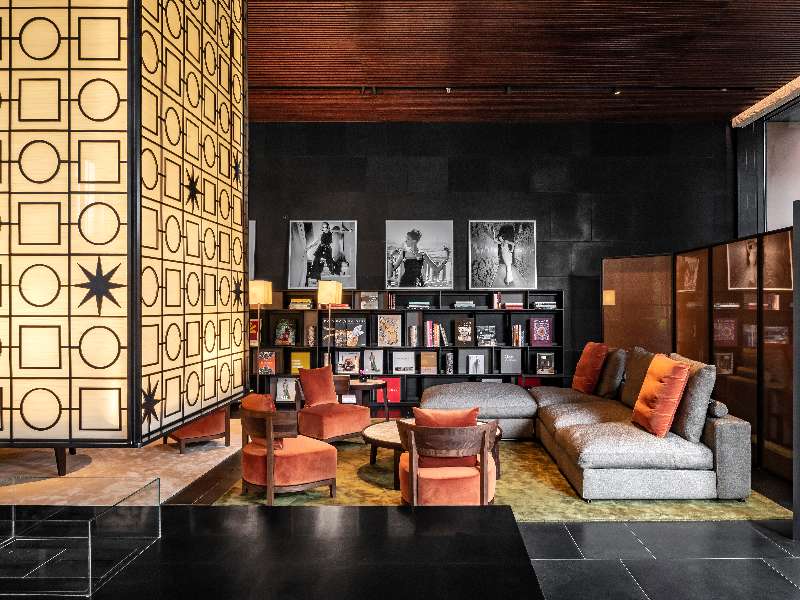
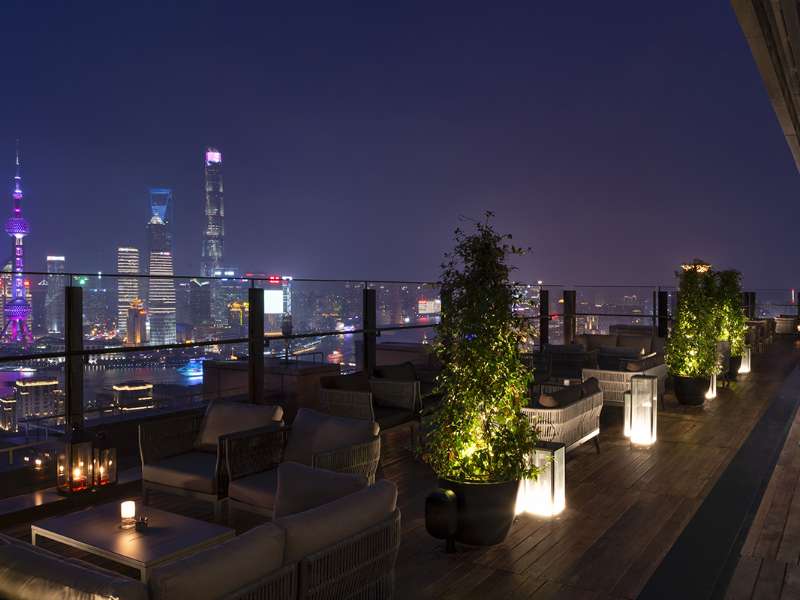
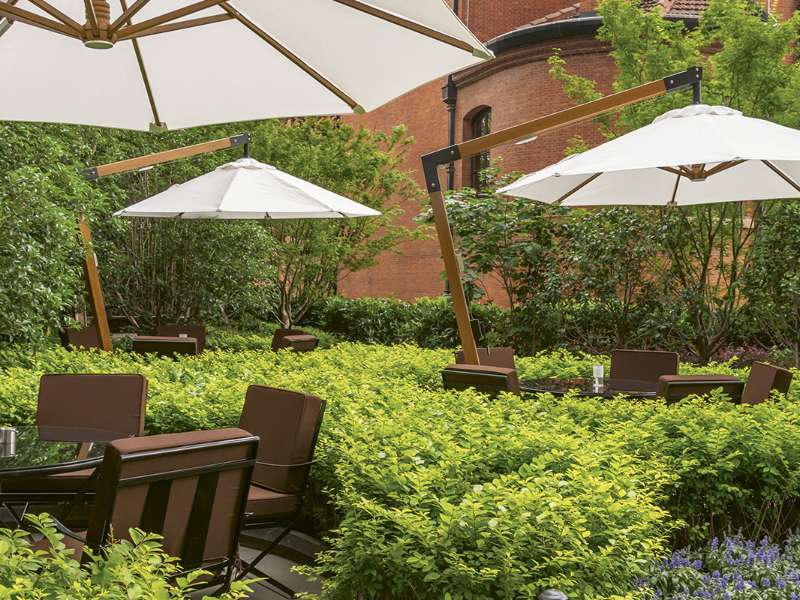
Rituals and signature experiences inspired by traditional Lunar New Year at Bvlgari Hotel Shanghai

.JPG/jcr%3Acontent)