How many of us, in thinking of Oriental femminine fashions, imagine that sensual form-fitting dress with its revealing side-slits, its high neck and prominent buttons? It is a part of fashion history which, despite its ancient roots, owes its fame to more recent times and, re-markably, to the world of the cinema. The Changshan or Qipao, as we know it today, was born in the 1920s in Shanghai and quickly became the emblematic dress of urban women, the star of the metropolitan “catwalks” of Beijing, Shanghai, Hong Kong and Taiwain. In the ‘50s and ‘60s, when it was taken up by stars of Hollywood films, it soon became all the rage in the West as well. One example was Jennifer Jones wearing one in Love is a Many Splendored Thing in 1955. In fact, the film went on to win an Oscar for best costumes. Before 1920, the Changshan was simply the female version of the traditional Changshan, the male blouse typical of the Manchu - it was flowing with long wide sleeves, hiding the wearer’s figure. Quite different from it’s relative the Qipao, which became so famous and widely imitated. Despite the invasion of cheap copies of the dress, Shanghai is still a great place to get an original high quality custom made Qipao.
An exhibition charts the artist’s visual journey - inner meteorites, caves, and geology notes turned into poetry. Viewers are invited to rekindle their own cosmic imagination.
Irena Haiduk transforms the Rockbund Art Museum into a participatory set where art, fiction, and reality intertwine. A film in progress that invites the public into a new narrative economy.
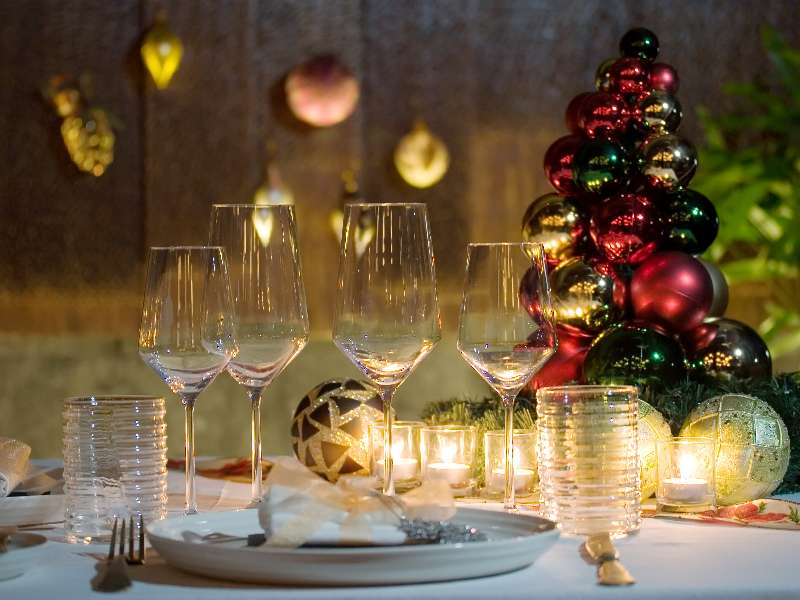
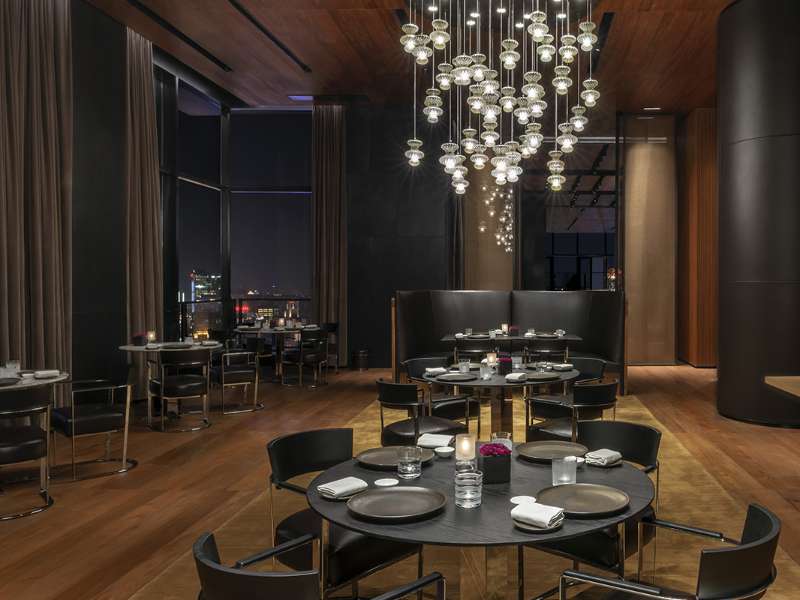
Executed with precision and artistry, the holiday programme, from dining to décor and gifts, is a celebration for the senses, inviting guests to gather with those closest to them.


.JPG/jcr%3Acontent)