


Casa Necchi Campiglio, an Exclusive Villa in the Heart of Milan
Lokasi: Villa Necchi Campiglio
Alamat: Via Mozart 14
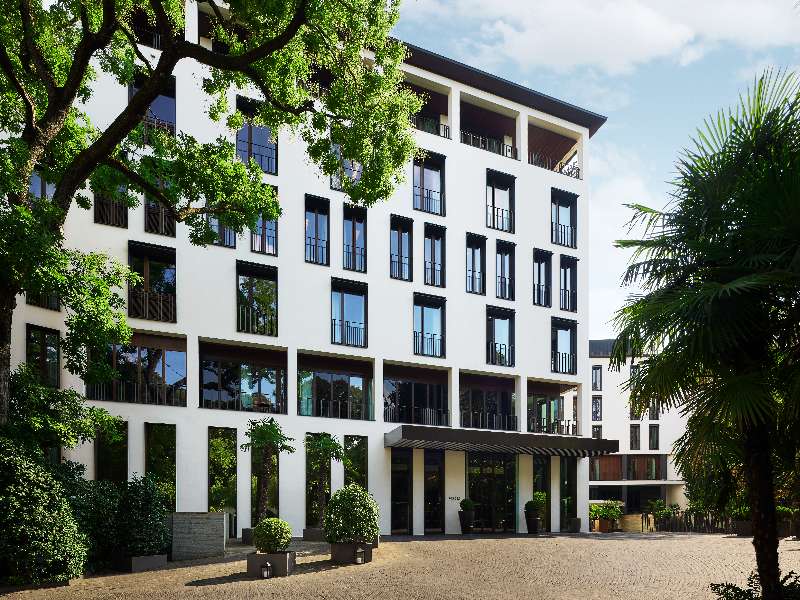
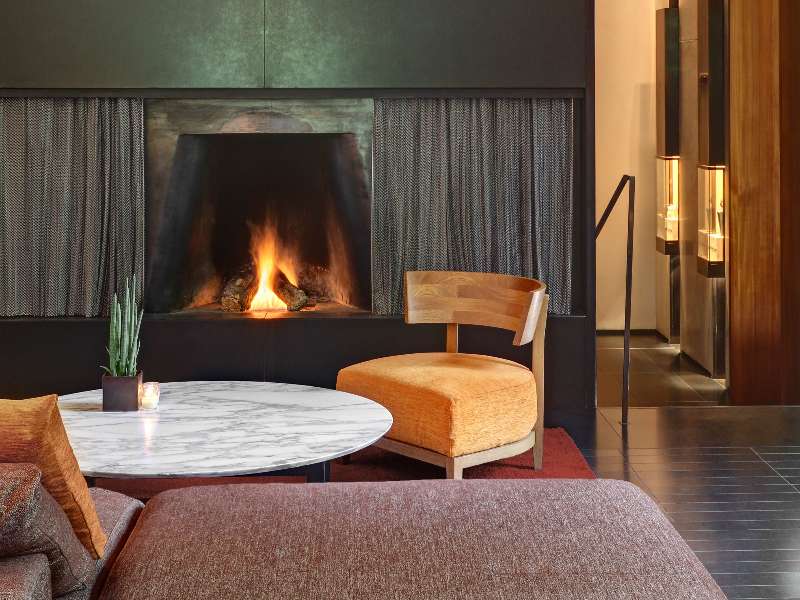
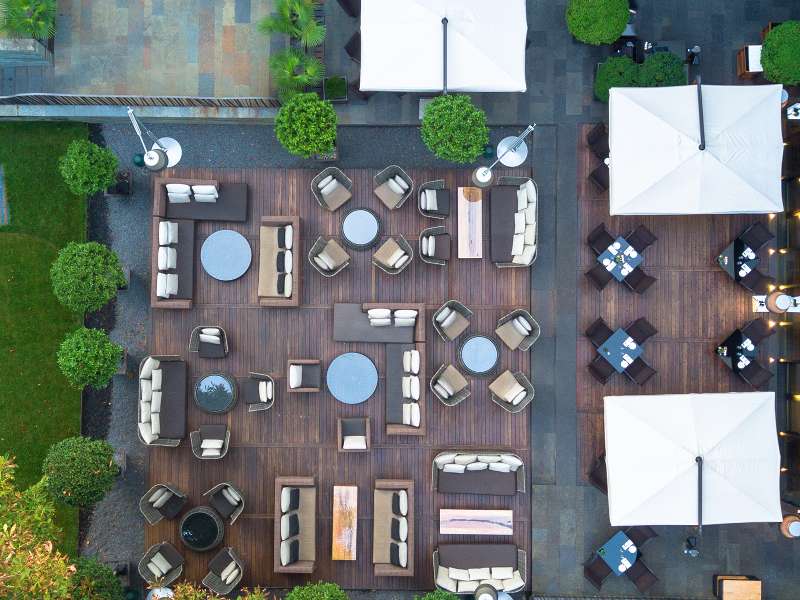
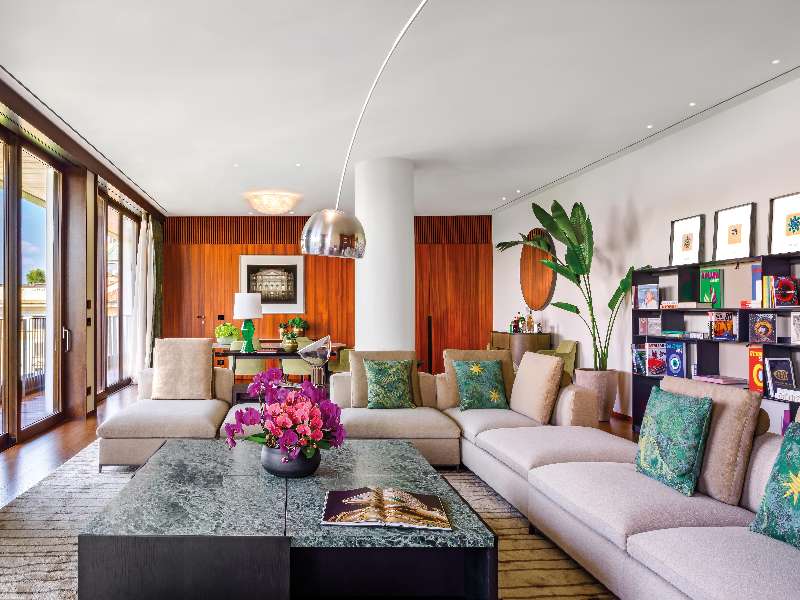
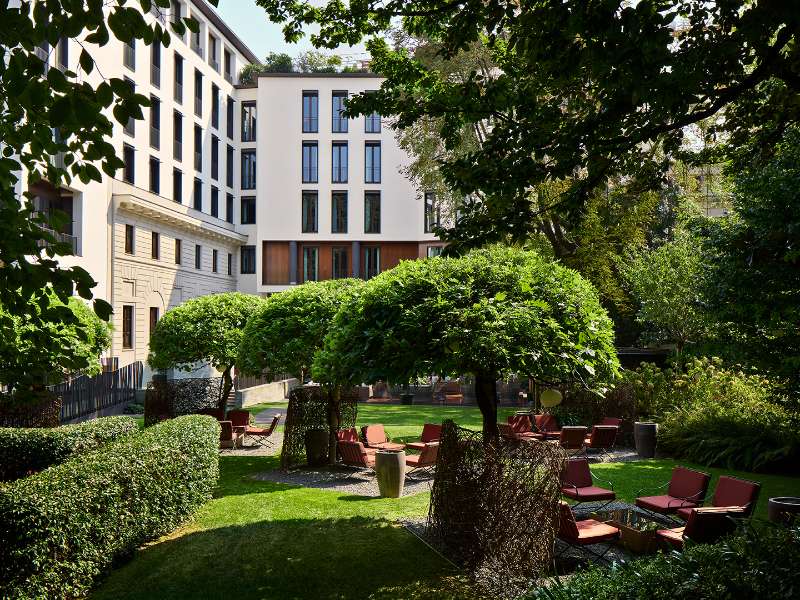
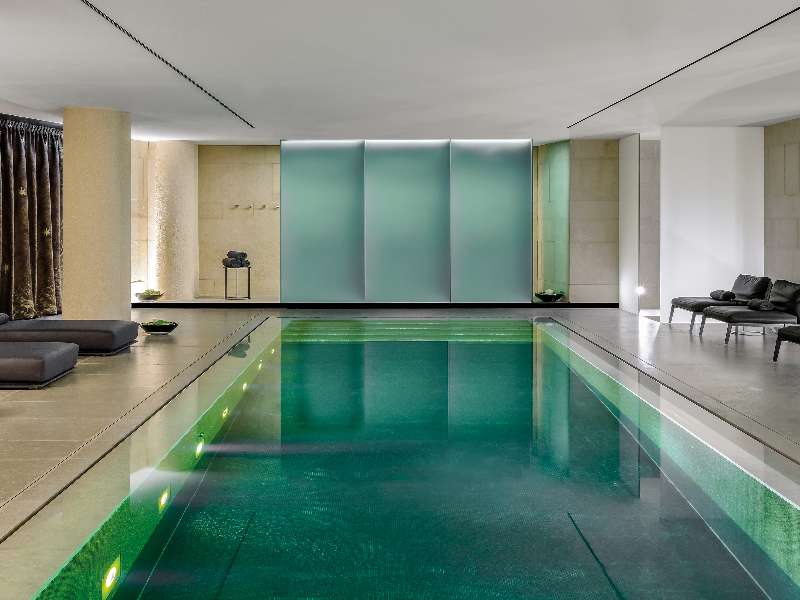
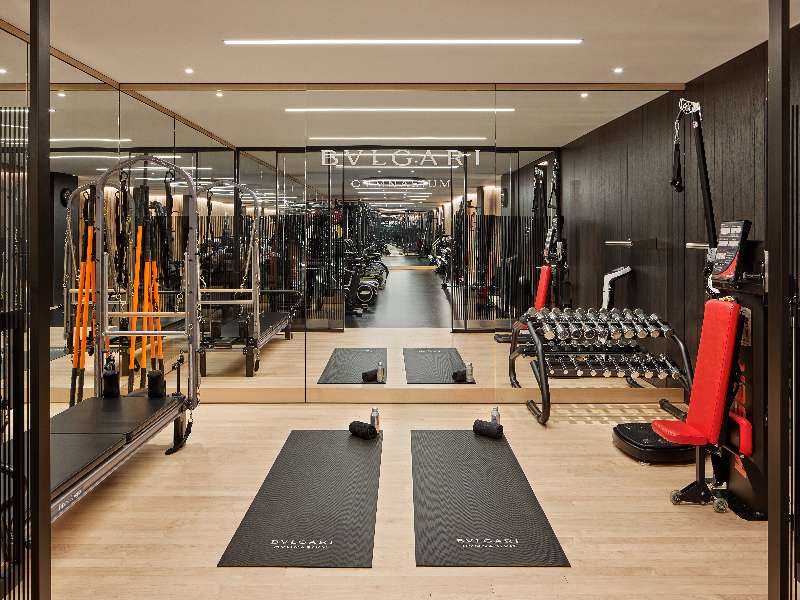
Between the two world wars, Milan’s high society all came together at Villa Necchi Campiglio. Not far from San Babila and Quadrilatero d’Oro, the residence still maintains the atmosphere of those years - the verdant and silent garden, the rationalist architecture of Piero Portaluppi, the luxury and avant-garde technology that is emblematic of the home, as much today as it once was. While the exterior caused a stir with its private swimming pool - the first in all of Milan except for the city pool itself - the three floors inside the villa stand out thanks to its comforts that were quite exceptional at the time - a dumbwaiter, elevators and intercoms, even a gym and a screening room, witness to a whole new way of spending one’s free time. But who were the Necchi Campiglios? The sisters Nedda and Gigina Necchi and Angelo Campiglio, Gigina’s husband, were part of the industrial elite, dynamic and refined, connected with the production of sewing machines, refrigerators and cast iron. Originally from Pavia, they entrusted the project of their Milanese residence to Portaluppi, an archistar ahead of his time, known for his innovative ideas. The homes refined Art Deco and neo-Seventeen-Hundreds decor welcomed such special guests as Princess Maria Gabriella of Savoia and Prince Enrico d’Assia, who had their own special apartments reserved for them at Casa Necchi Campiglio. A rich art collection graces the home-museum today with Italian works from the 1900s (Boccioni, Carrà, Balla, De Chirico, Morandi) as well as the XVIII Century (Canaletto, Tiepolo, Rosalba Carriera).
A major exhibition rediscovers Andrea Appiani, painter to Napoleon and Master of Neoclassicism, through portraits, frescoes, and drawings from Italian and international collections.
A Three-Thousand-Year Journey into the Olympic Spirit
From Greek and Etruscan artifacts to modern Olympic icons, Fondazione Luigi Rovati’s exhibition traces the evolution of Olympic values across art, sport, and inclusion.
Twelve restored plaster busts by Antonio Canova, discovered in a villa in Veneto, are the highlight of a new exhibition at Milan’s Pinacoteca di Brera, celebrating Neoclassical sculpture and the return of the marble Vestale.