


At the Louvre Abu Dhabi, technology is not a spectacular add-on but a narrative tool. With Quantum Dome Project. A Collective VR Experience, the Emirati museum introduces a new way of visiting, one that places the body, shared space and time as a living material at its core. Visitors do not enter a gallery, but a dome: an immersive environment where virtual reality does not isolate the individual viewer but constructs a collective experience. Inside the dome, groups of visitors move together, without joysticks or visible interfaces. Wireless headsets track real body movements, transforming the physical space into a device for historical traversal. The feeling is not that of looking at the past, but of temporarily inhabiting it. The experience unfolds as a journey through three worlds: Imperial Rome, Medieval Baghdad and Mughal India. Each passage originates from a real object in the museum’s collection, as if the works themselves held a memory capable of extending beyond the display case. The narrative is framed by an almost science-fiction setting. Visitors are welcomed into an imaginary laboratory hidden beneath the museum, where history is not recounted but extracted, reactivated and set into motion. From here comes the leap across centuries, into monumental architecture, libraries, courts and living cities. There is no traditional didactic route, no lesson to be learned. The device operates through suggestion, emotional immersion and physical proximity to the places and people of the past. The Quantum Dome Project fits seamlessly into the cultural vision of the Louvre Abu Dhabi, which since its opening has chosen to present human history as an interconnected fabric, free from rigid geographical or chronological hierarchies. Virtual reality becomes a natural extension of this approach rather than a demonstrative gesture. Technology does not replace the artwork but amplifies it, turning the act of visiting into an experience of shared presence. At a time when many museums deploy digital tools as parallel attractions, the Louvre Abu Dhabi takes a more demanding and less immediate path. Virtual reality here is not escapism, but a critical space in which to question how history is transmitted and experienced. The immersive dome thus becomes a site of symbolic passage, where the past is not reconstructed in order to be explained, but reactivated in order to be experienced.
The Task of the Mythologist introduces Anahita Razmi’s practice, focused on the cultural transfer of images and gestures. Through appropriation, irony and conceptual rigor, her work challenges fixed notions of identity and dominant narratives. Razmi explores myth as an unstable structure, constantly open to reinterpretation.
Def Leppard perform at Dubai’s Coca-Cola Arena on August 2, 2026. A band that defined 1980s hard rock through a powerful and carefully constructed sound. A concert built around a repertoire that remains strong and effective live.
At 421 Arts Campus, the exhibition traces a decade of artistic practices in the UAE as an evolving process. Traces, legacies and transformations emerge through a non-linear narrative. A reflection on time, community and the role of cultural institutions.
At Jameel Art Centre in Dubai, Global Positioning System examines mobility as an uneven and unstable experience. Through maps, infrastructures and disrupted routes, the exhibition reflects on the circularity of movement and the limits of contemporary systems of orientation.
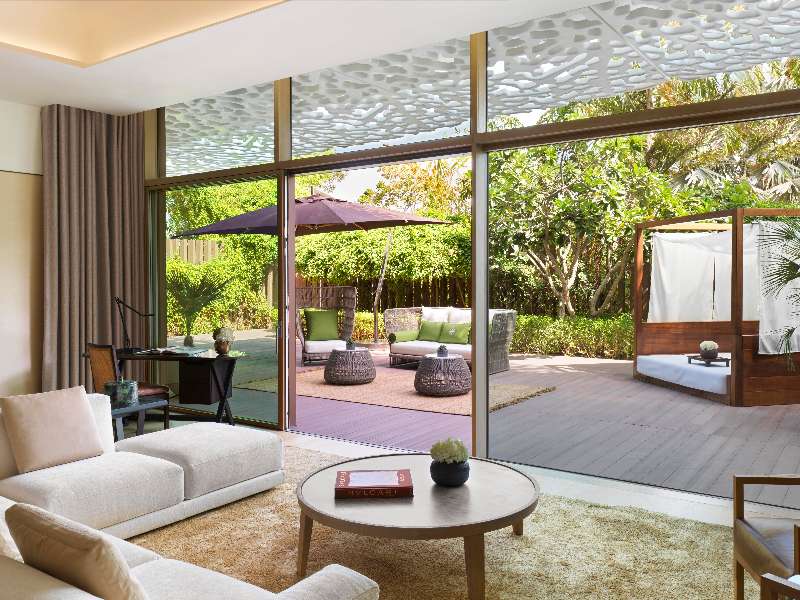
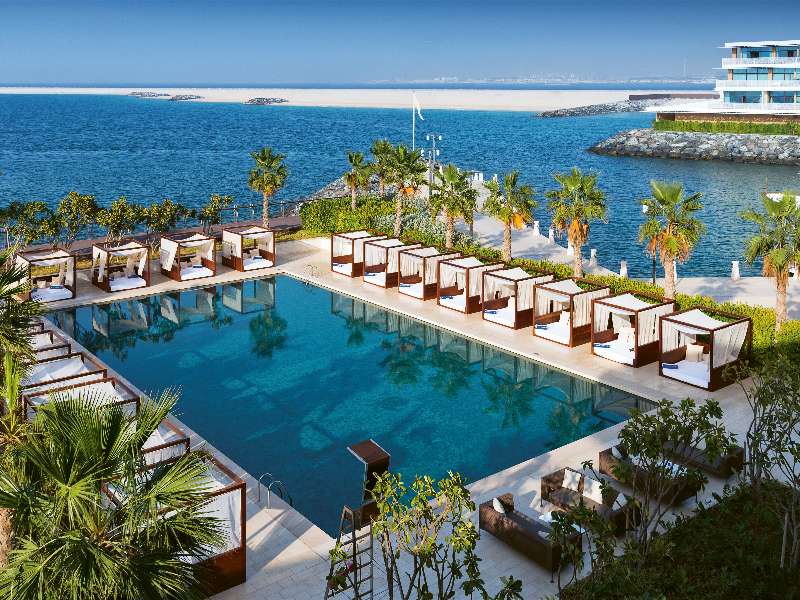
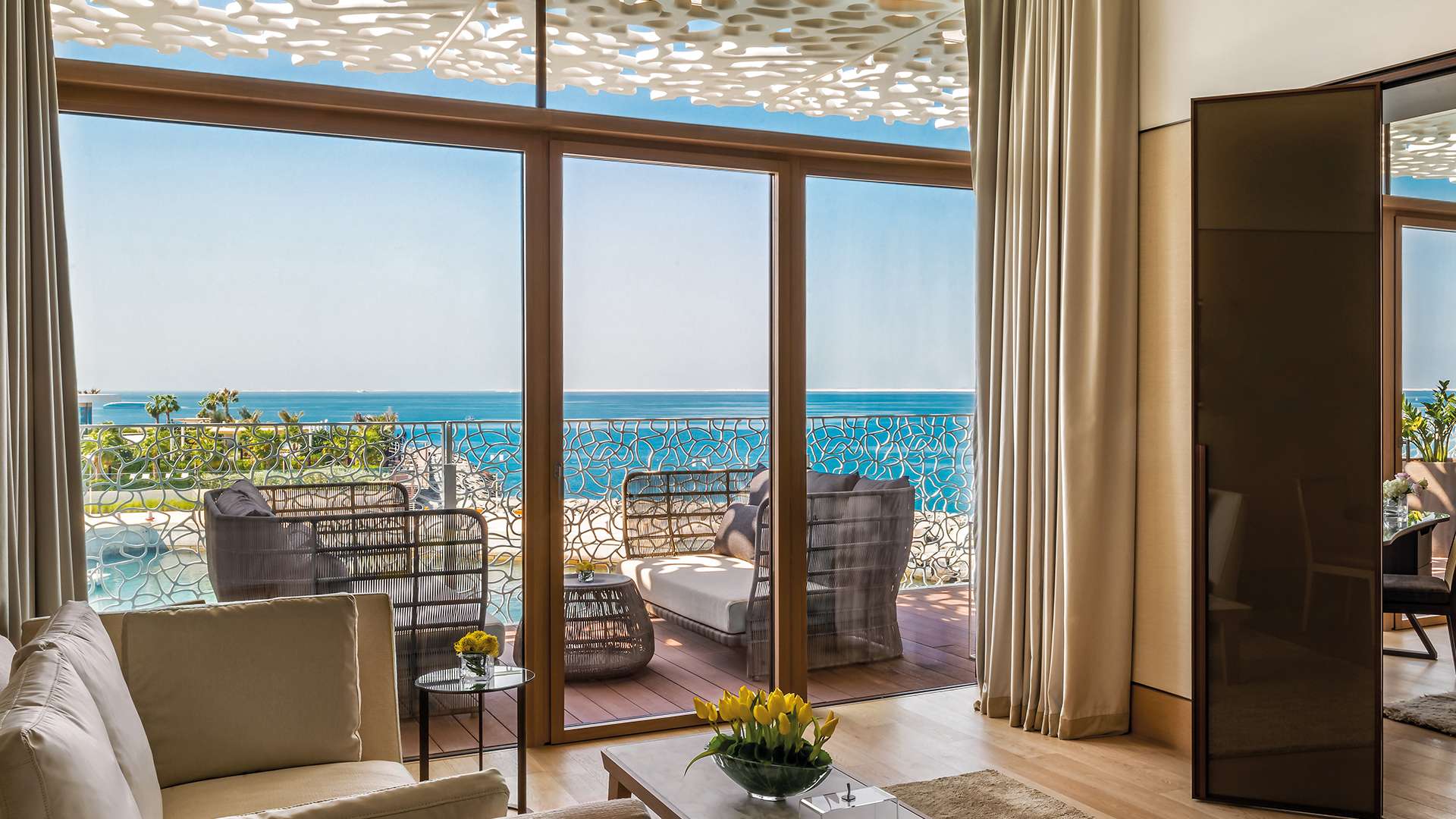
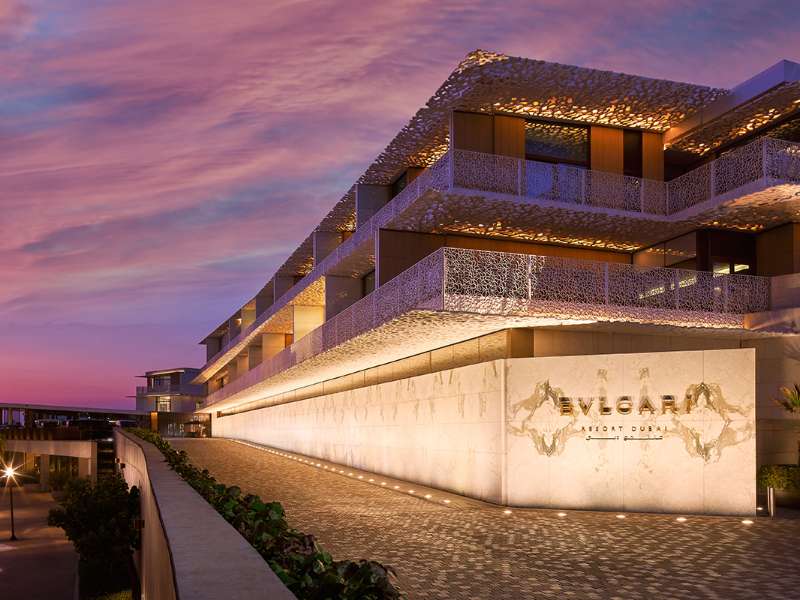
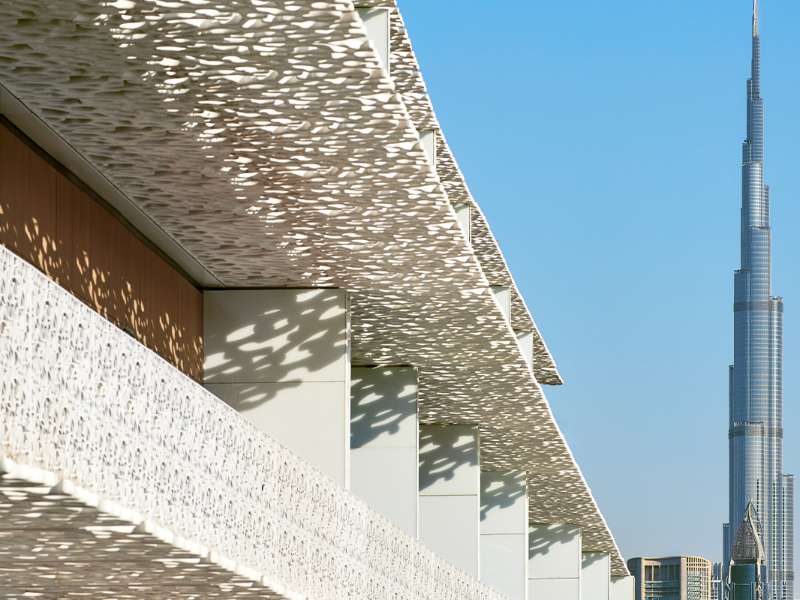
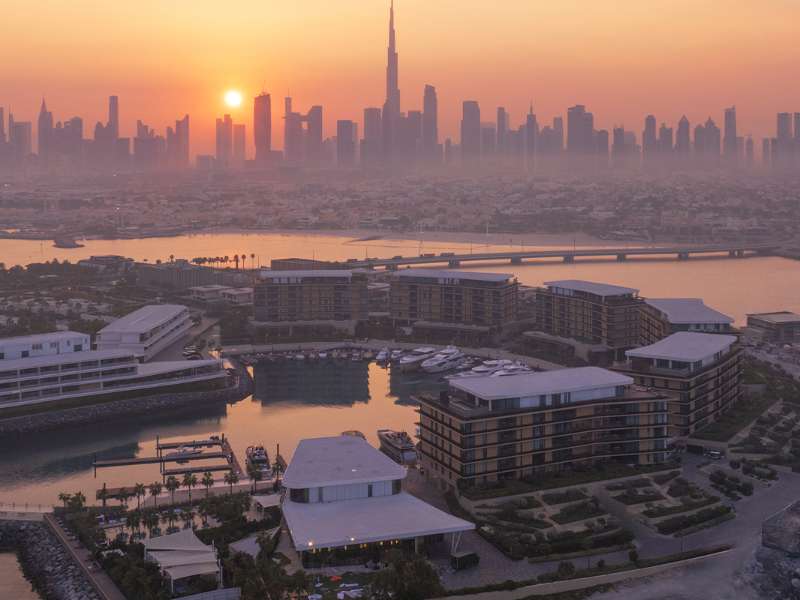
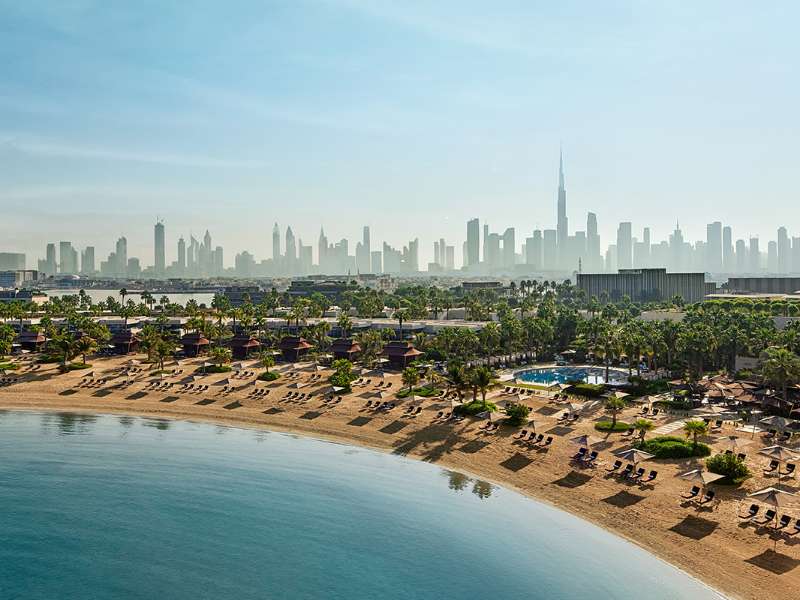
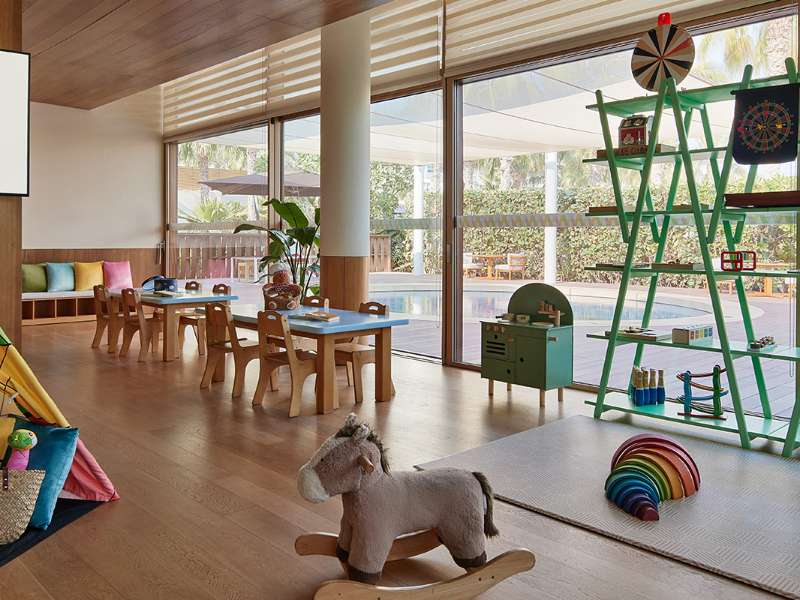
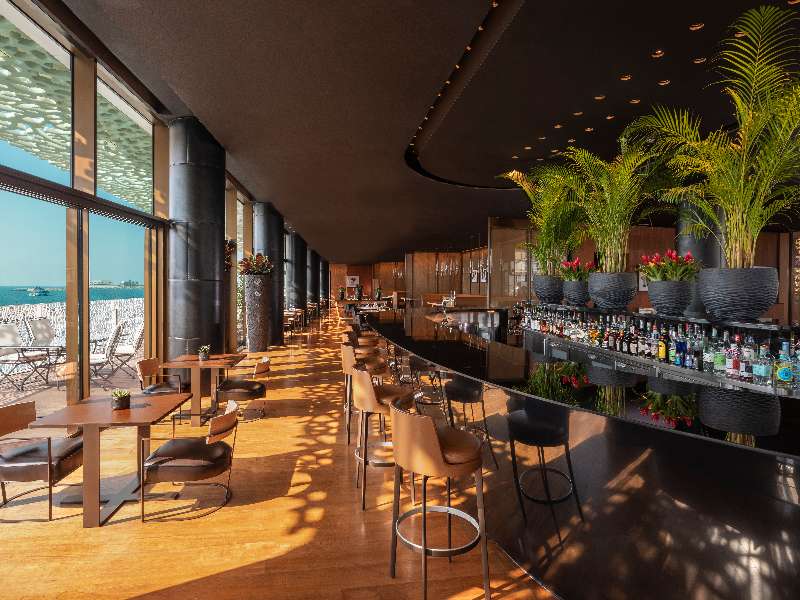
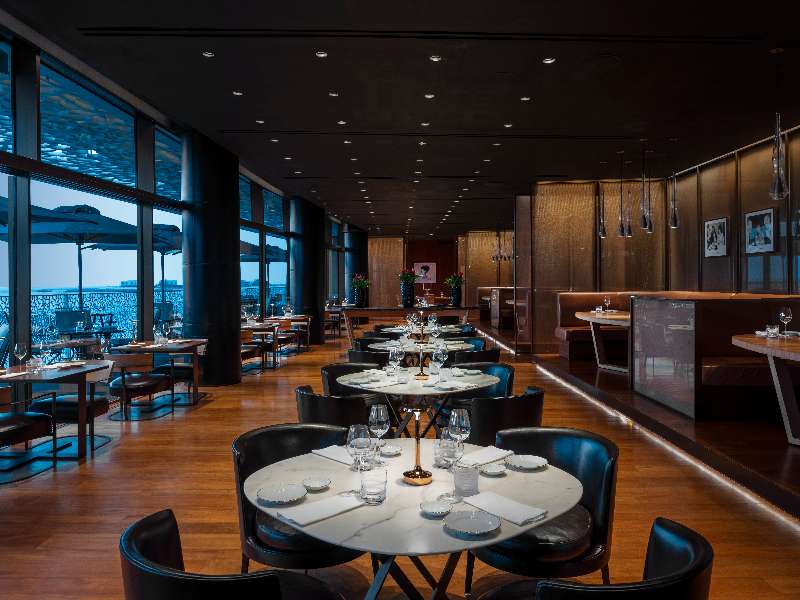
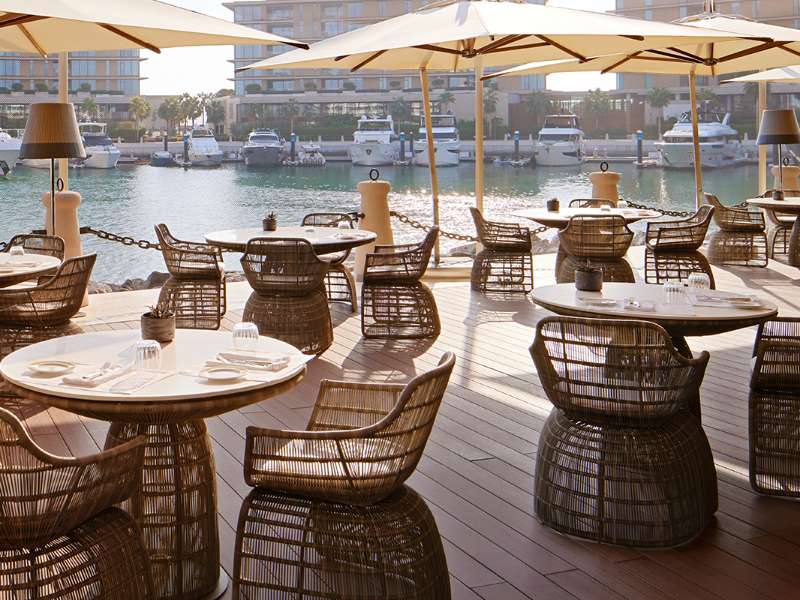
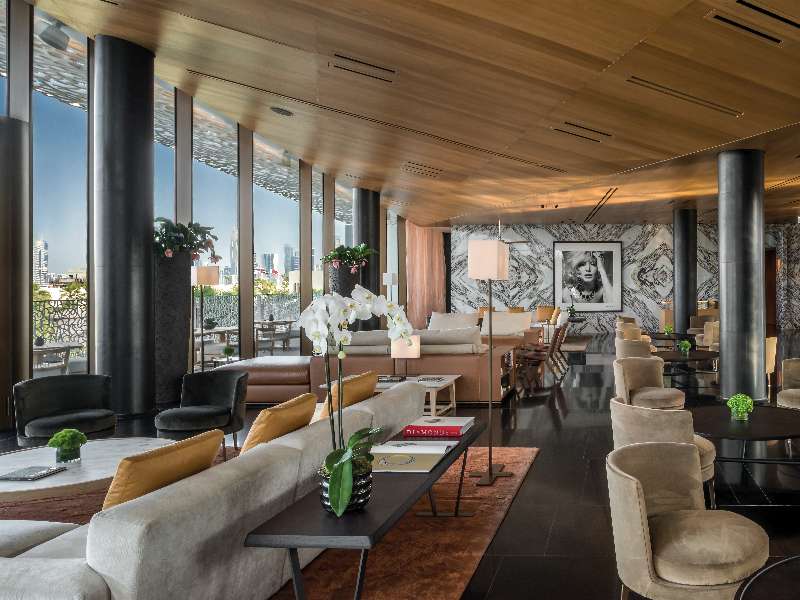
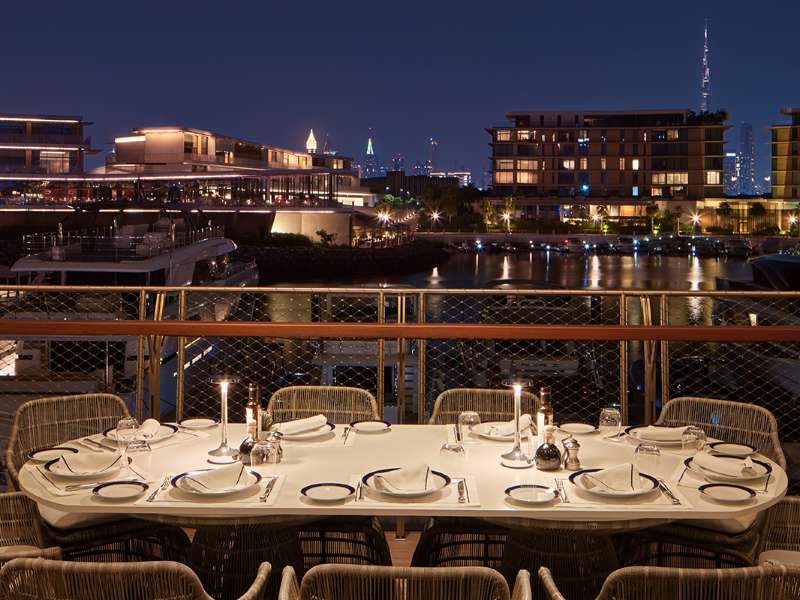
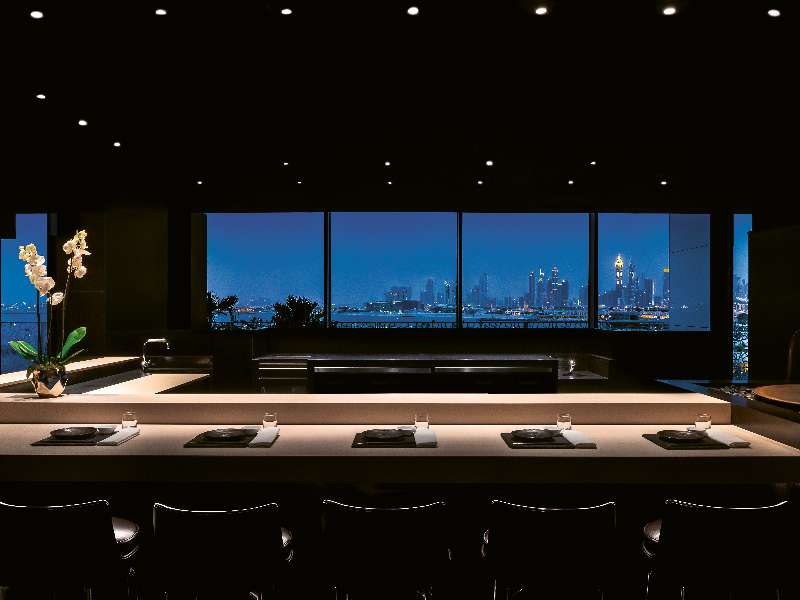
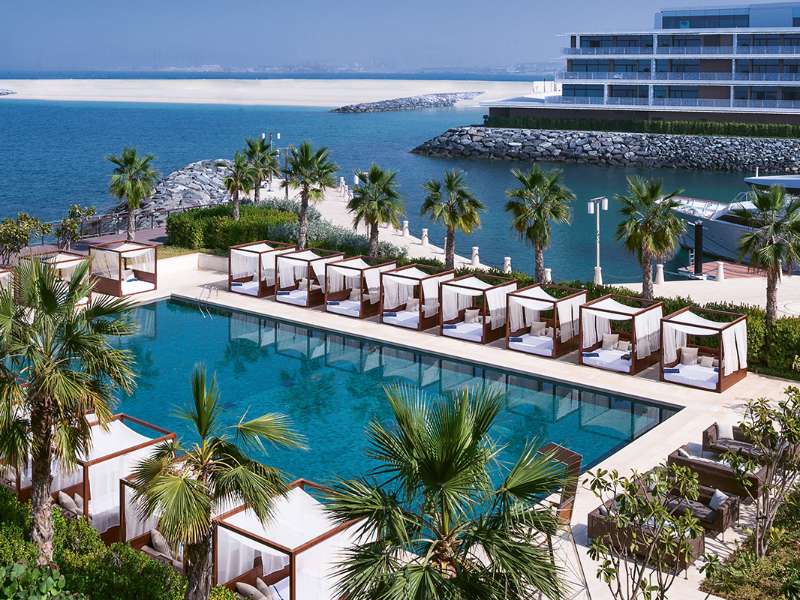
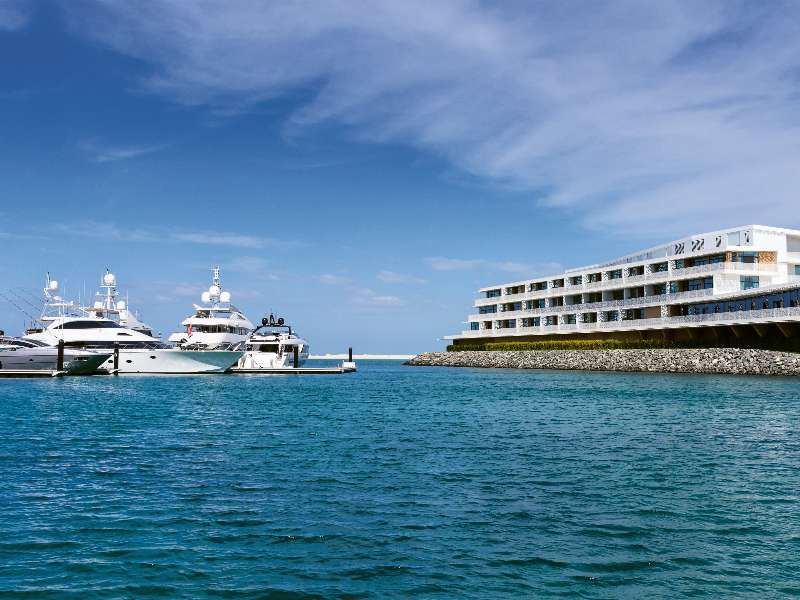
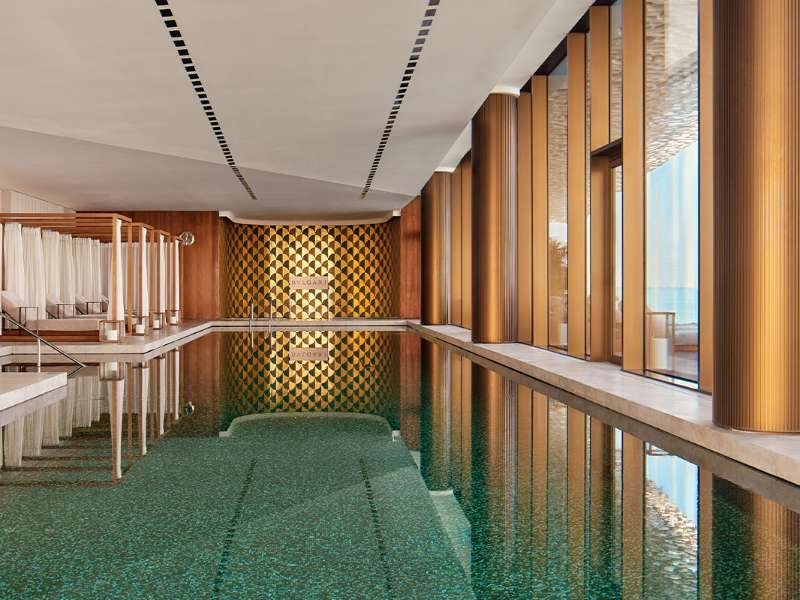
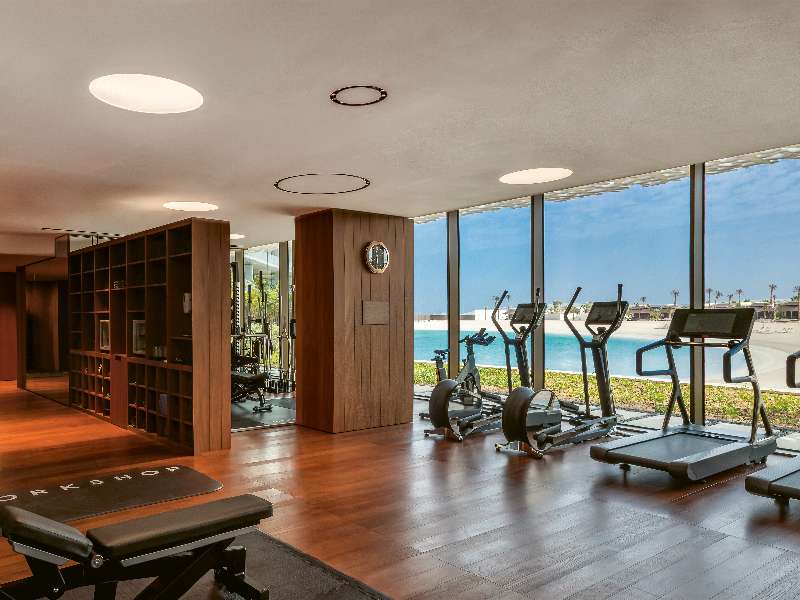
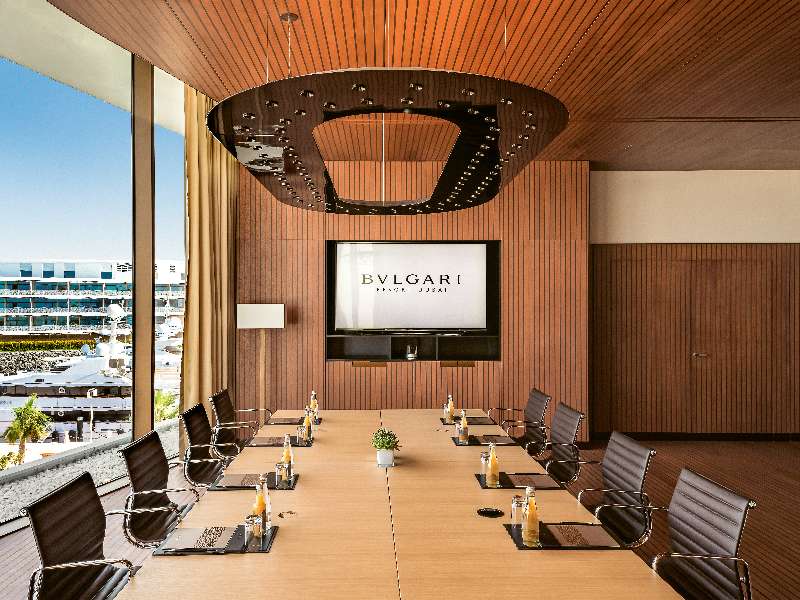
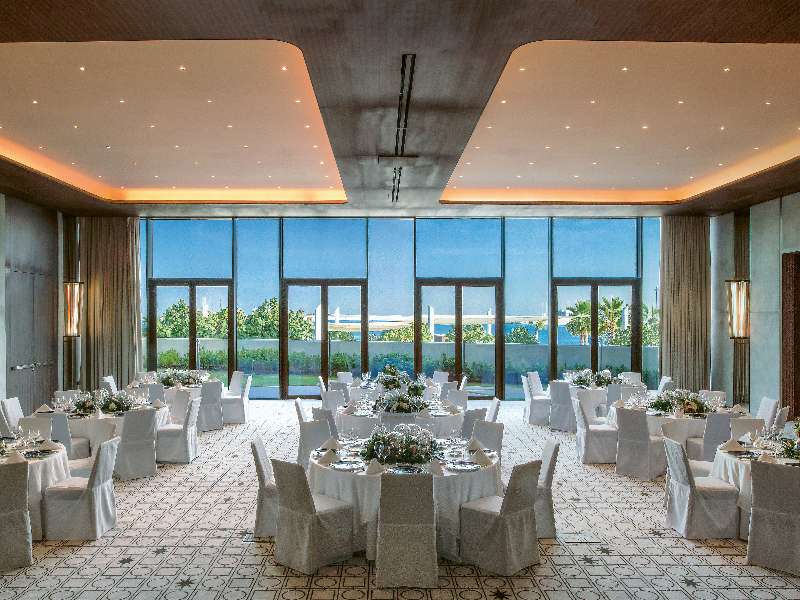
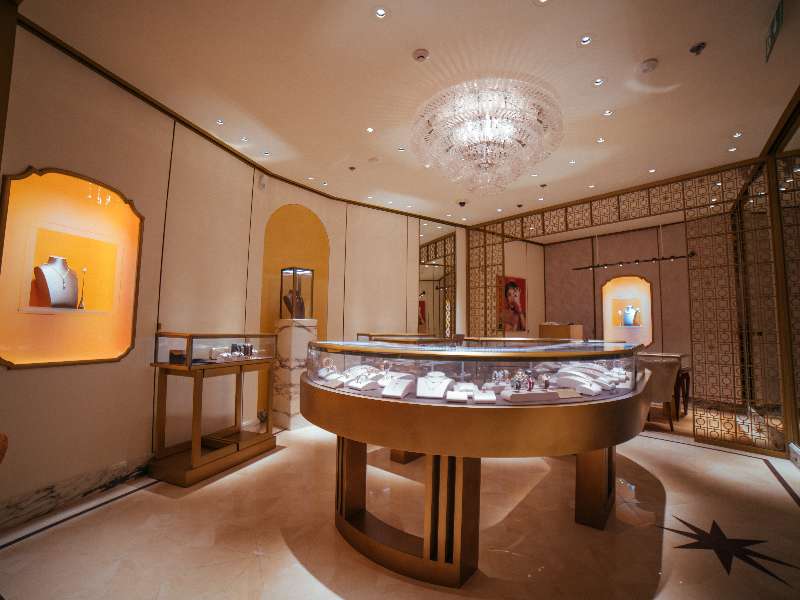
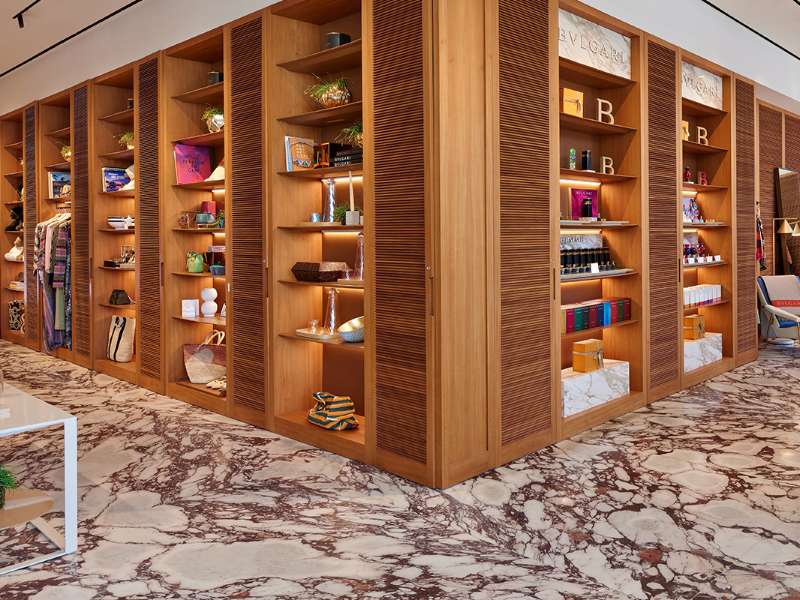
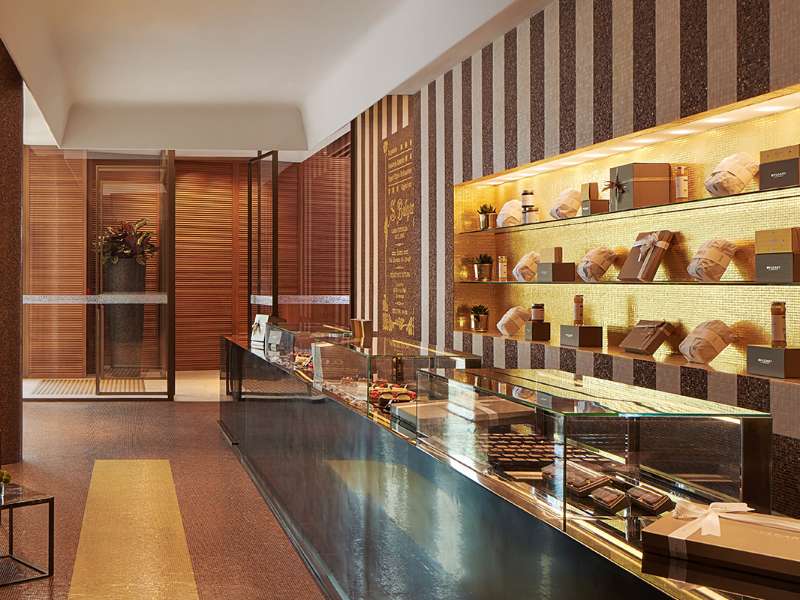
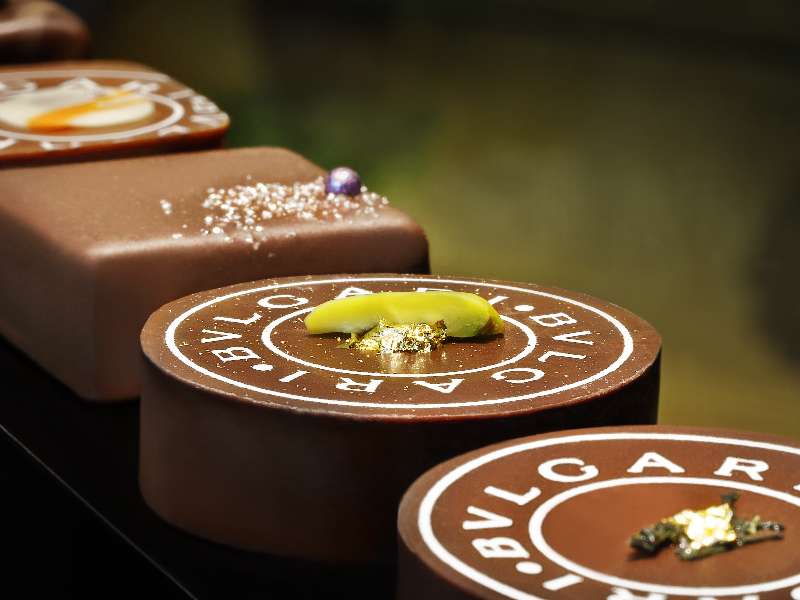
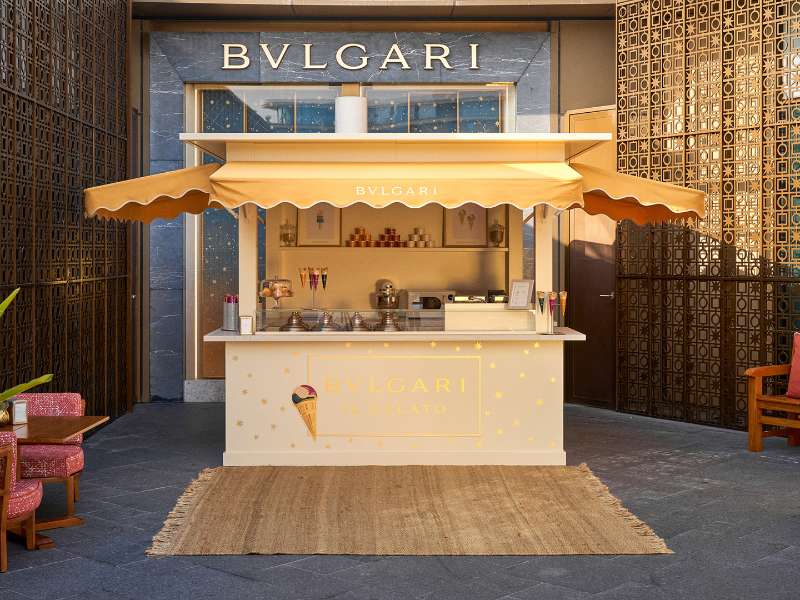
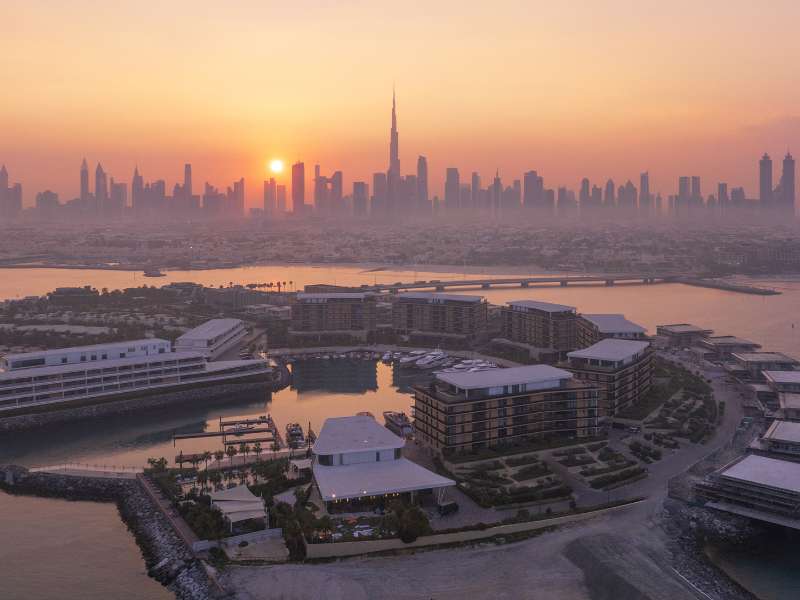
The art of hospitality is a thread running through every experience at the Bvlgari Resort Dubai. Relaxing, thoughtful, and elevated, the new exclusive Bvlgari offers are crafted as refined multifaceted escapes capturing all the best of the Resort. A beautiful way to reconnect or immerse oneself in the distinctive charms of Dubai while experiencing unparalleled Italian hospitality in the heart of the UAE.