
At the Louvre Abu Dhabi, technology is not a spectacular add-on but a narrative tool. With Quantum Dome Project. A Collective VR Experience, the Emirati museum introduces a new way of visiting, one that places the body, shared space and time as a living material at its core. Visitors do not enter a gallery, but a dome: an immersive environment where virtual reality does not isolate the individual viewer but constructs a collective experience. Inside the dome, groups of visitors move together, without joysticks or visible interfaces. Wireless headsets track real body movements, transforming the physical space into a device for historical traversal. The feeling is not that of looking at the past, but of temporarily inhabiting it. The experience unfolds as a journey through three worlds: Imperial Rome, Medieval Baghdad and Mughal India. Each passage originates from a real object in the museum’s collection, as if the works themselves held a memory capable of extending beyond the display case. The narrative is framed by an almost science-fiction setting. Visitors are welcomed into an imaginary laboratory hidden beneath the museum, where history is not recounted but extracted, reactivated and set into motion. From here comes the leap across centuries, into monumental architecture, libraries, courts and living cities. There is no traditional didactic route, no lesson to be learned. The device operates through suggestion, emotional immersion and physical proximity to the places and people of the past. The Quantum Dome Project fits seamlessly into the cultural vision of the Louvre Abu Dhabi, which since its opening has chosen to present human history as an interconnected fabric, free from rigid geographical or chronological hierarchies. Virtual reality becomes a natural extension of this approach rather than a demonstrative gesture. Technology does not replace the artwork but amplifies it, turning the act of visiting into an experience of shared presence. At a time when many museums deploy digital tools as parallel attractions, the Louvre Abu Dhabi takes a more demanding and less immediate path. Virtual reality here is not escapism, but a critical space in which to question how history is transmitted and experienced. The immersive dome thus becomes a site of symbolic passage, where the past is not reconstructed in order to be explained, but reactivated in order to be experienced.
Béchir Boussandel, Emotional Geographies of Survival
Béchir Boussandel, an artist divided between Tunisia and France, shapes mental landscapes that speak of the social invisibility of gleaners - the “gleaner” or "berbasha" - transforming organic materials, blown glass, oil paint, and metal into emotional geographies of survival and belonging.
At Jameel Art Centre in Dubai, the exhibition devoted to Salah Elmur brings together recent works that combine painting and archival photography. Moving between personal memory and collective history, the show presents images shaped by distance, loss and suspension.
The Zayed National Museum will open in December 2025 (TBC) in Abu Dhabi, in the expanding Saadiyat Cultural District. The building, designed by Foster + Partners, features five tapered steel towers inspired by the wings of a falcon, a symbol of Emirati identity, and is poised to become a new architectural and cultural landmark in the region.
At the Ishara Art Foundation in Dubai, Urdu Worlds brings together works by Zarina and Ali Kazim to explore Urdu as a space of imagination and cultural construction. The exhibition moves between language, memory and image, without reducing them to acts of translation.
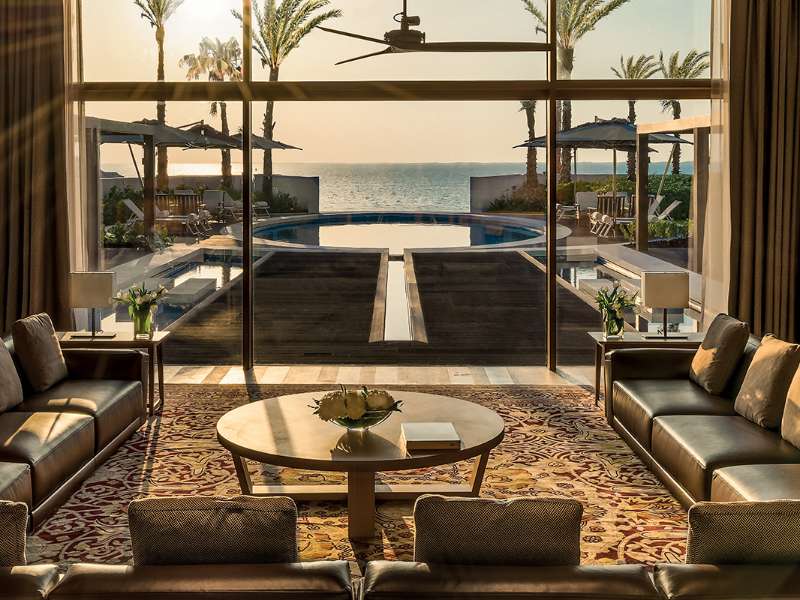
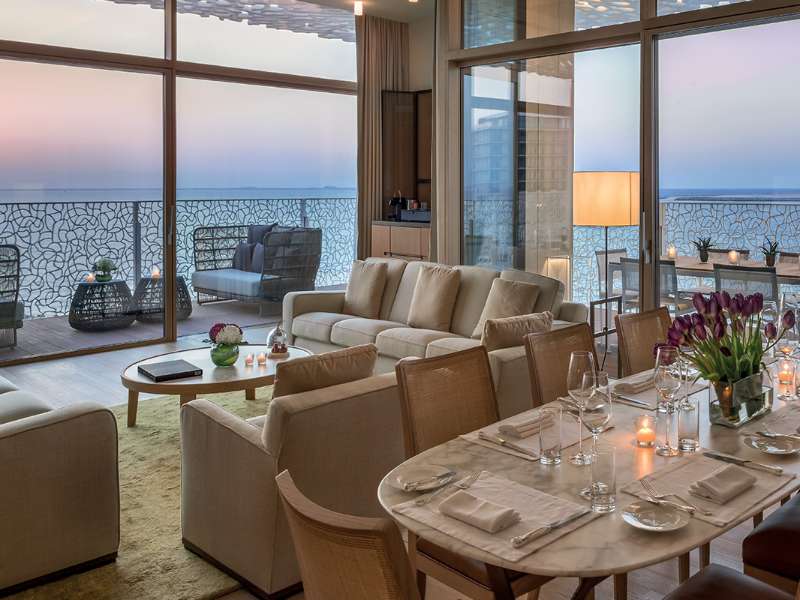
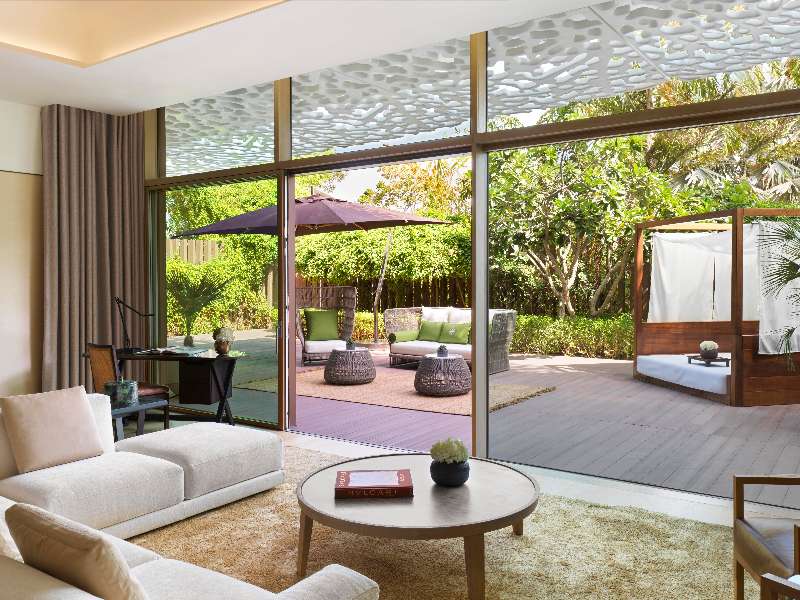
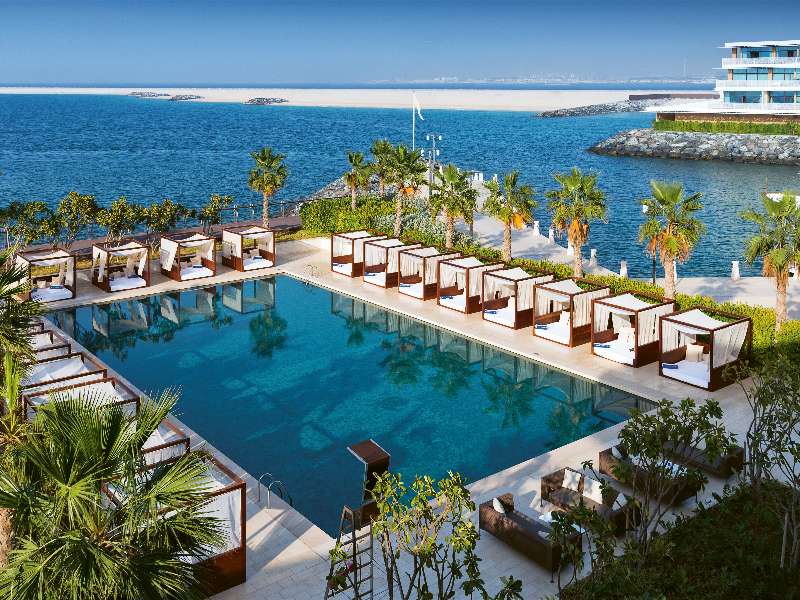
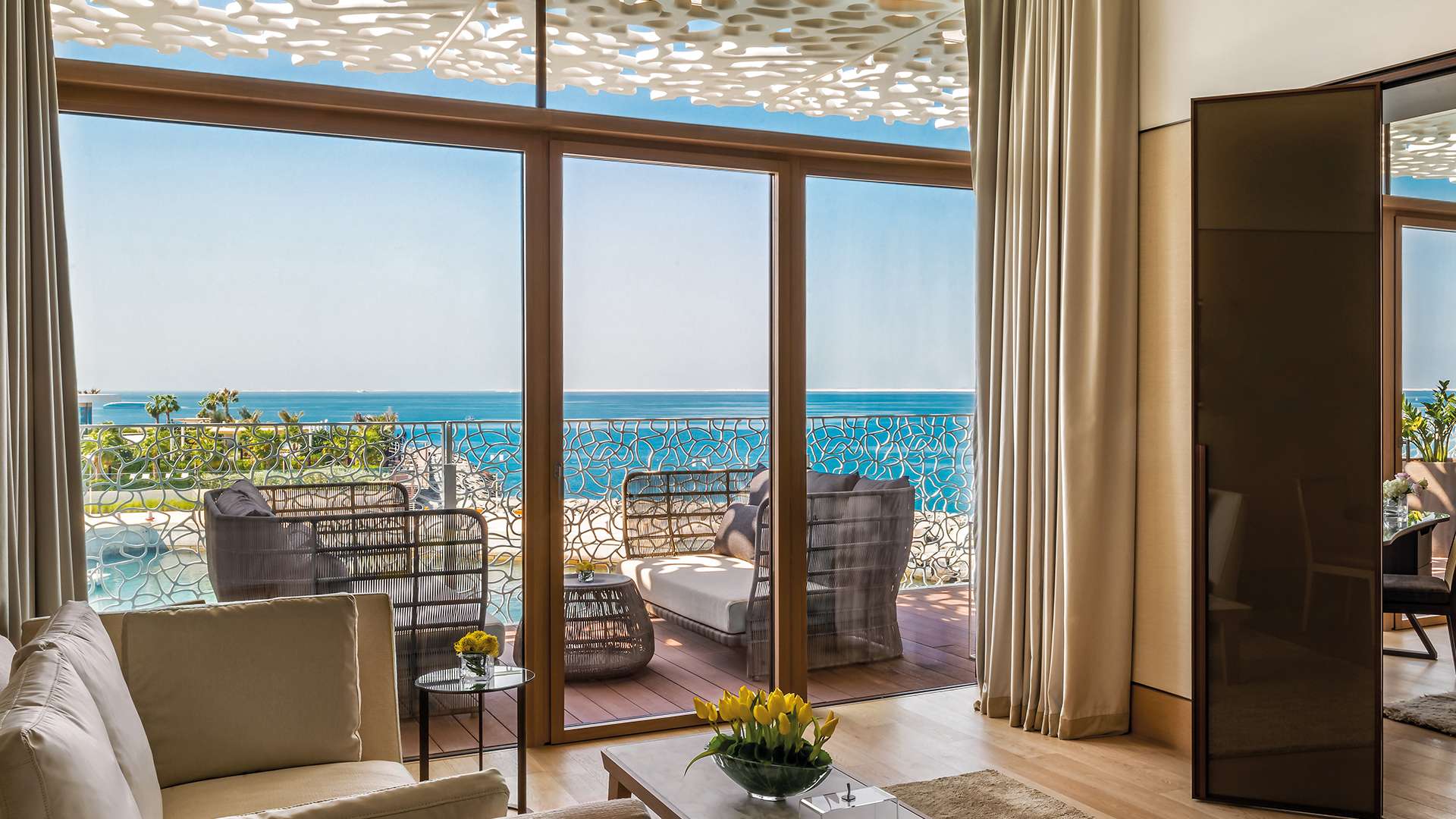
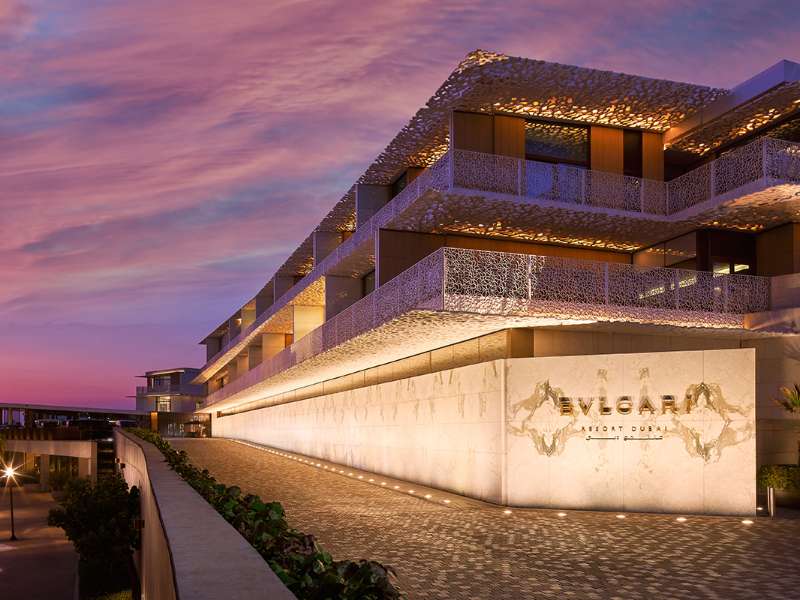
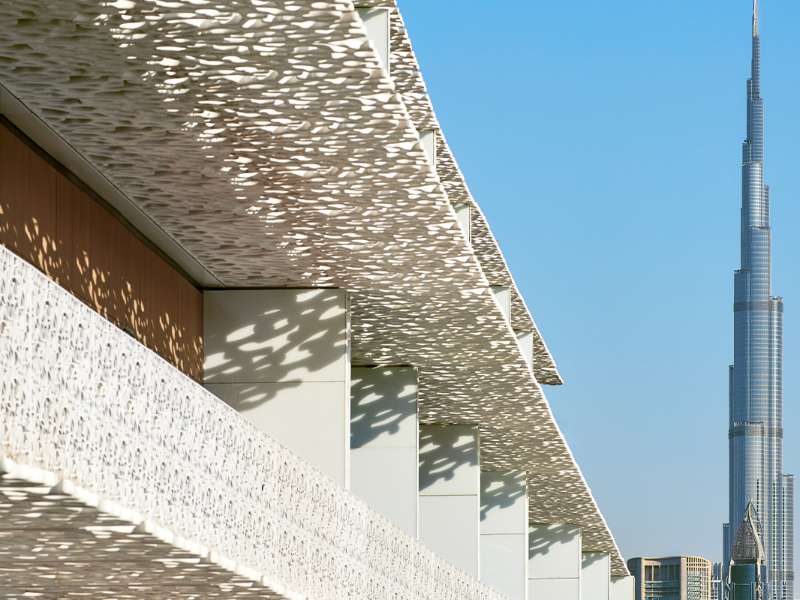
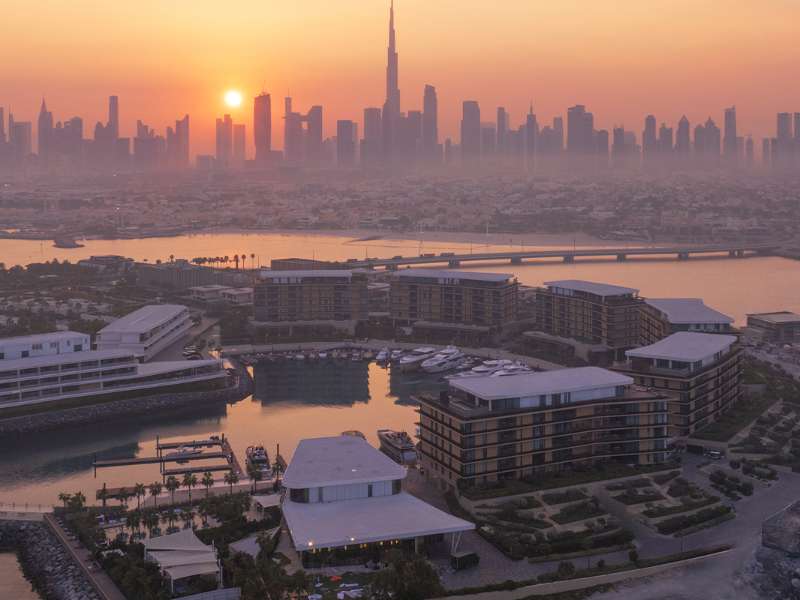
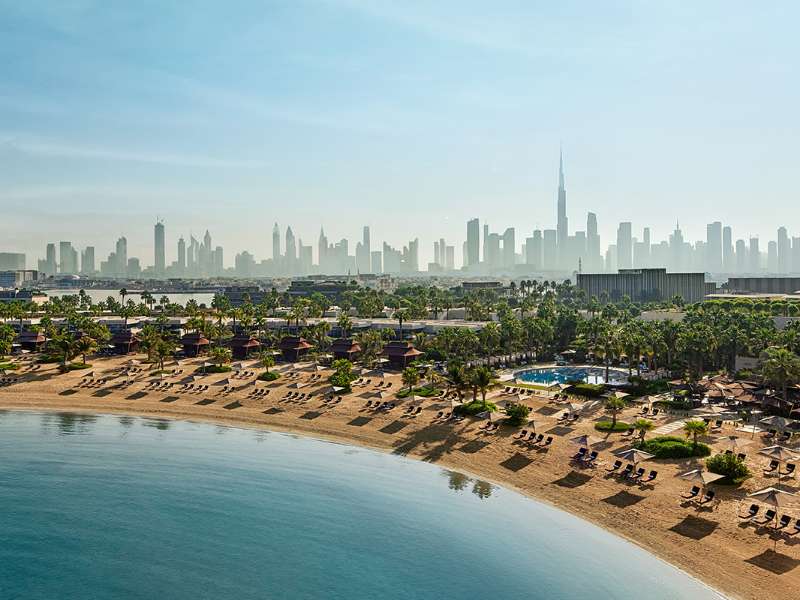
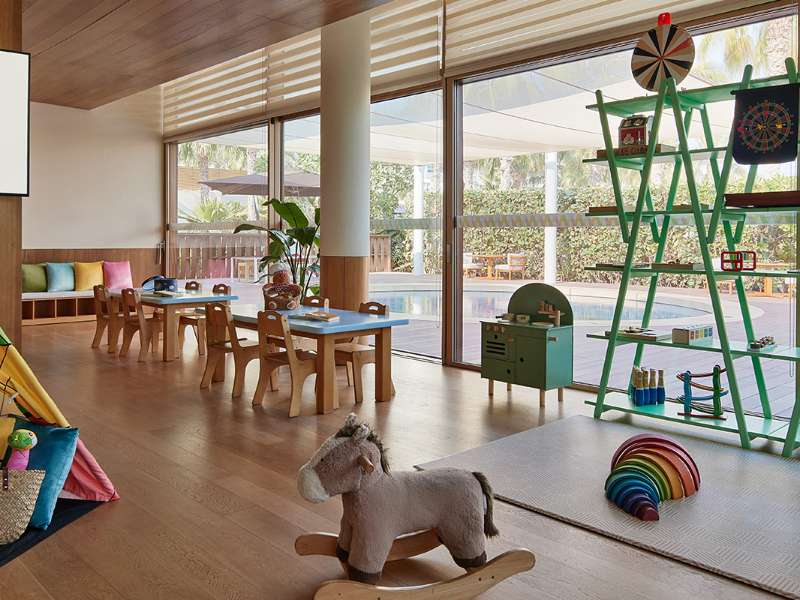
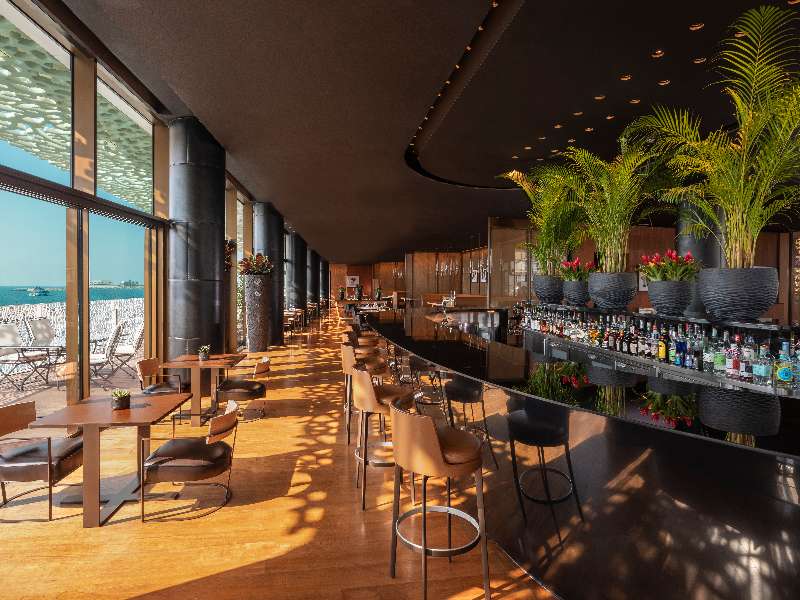
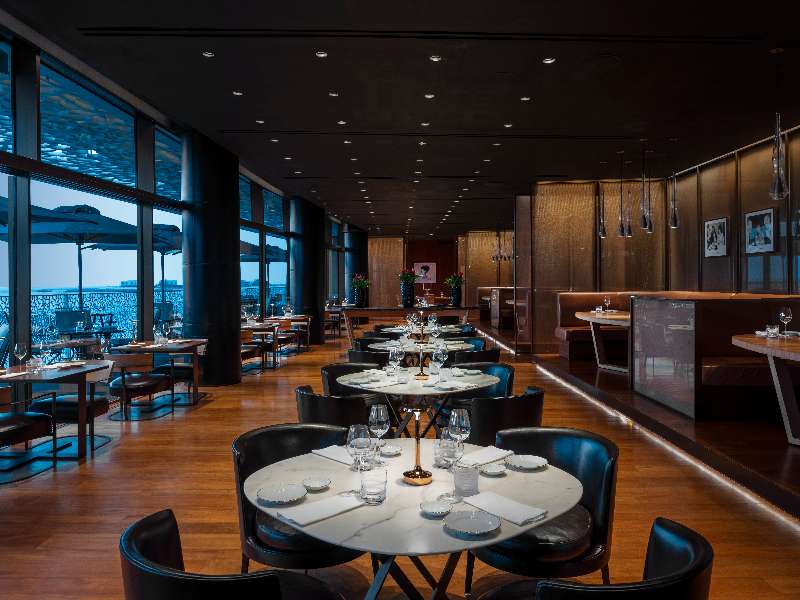
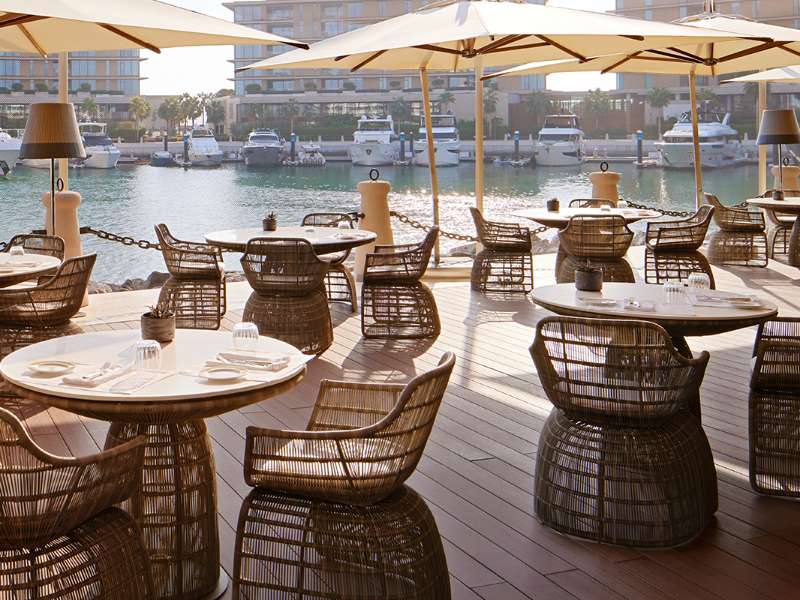
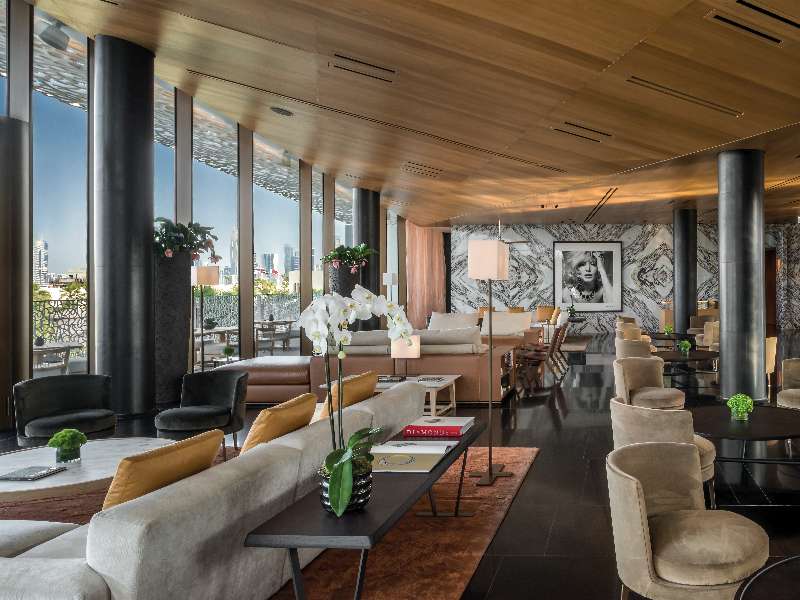
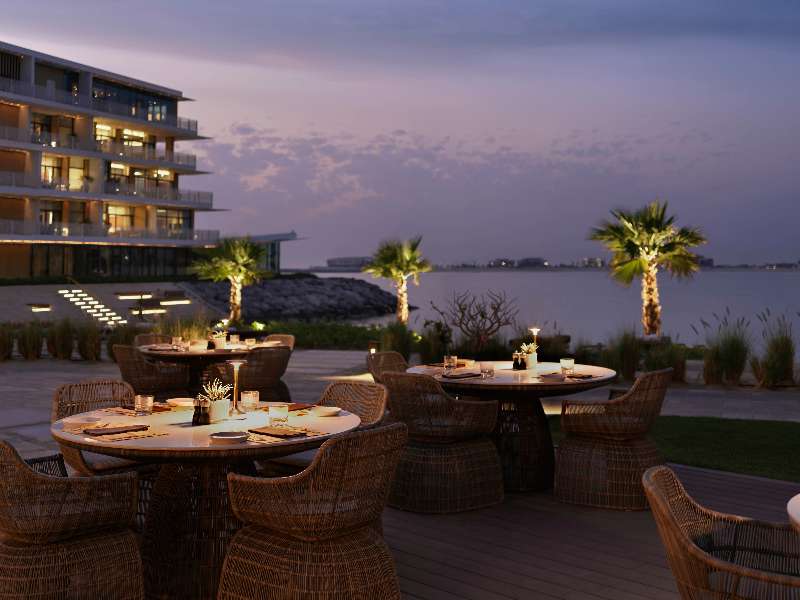
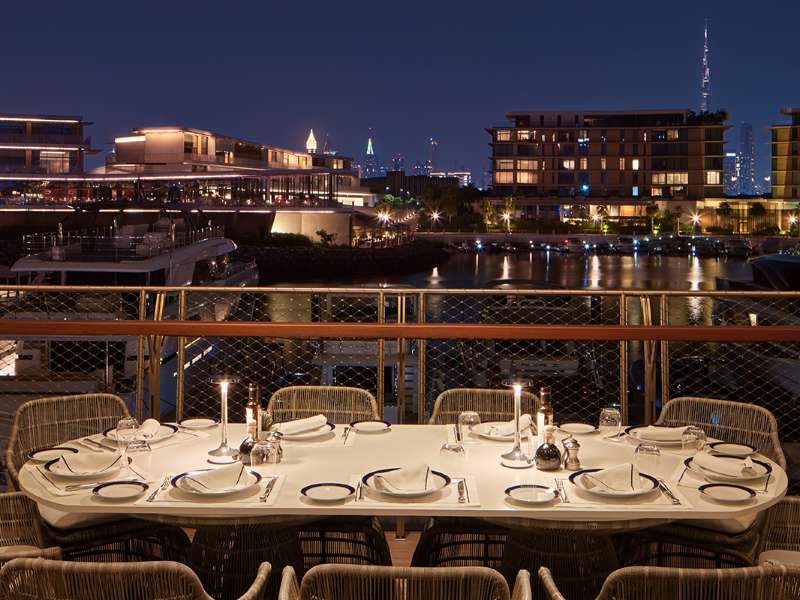
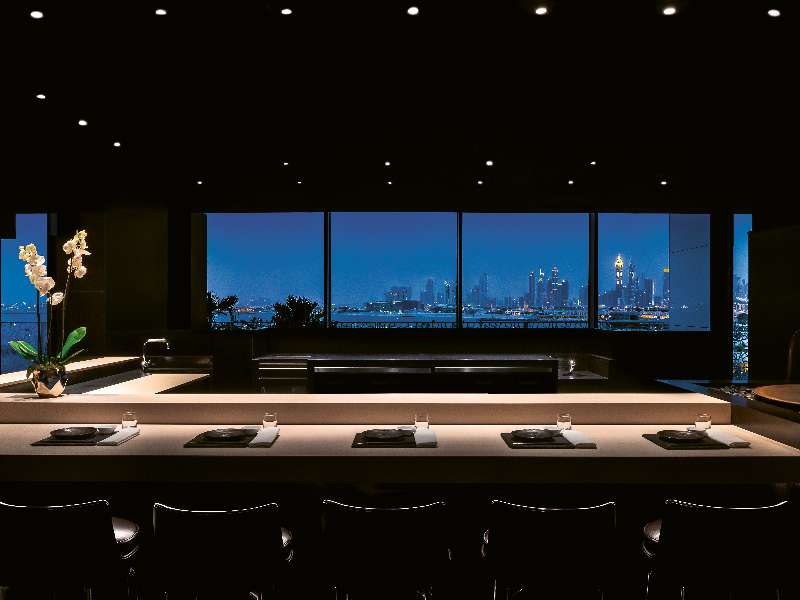
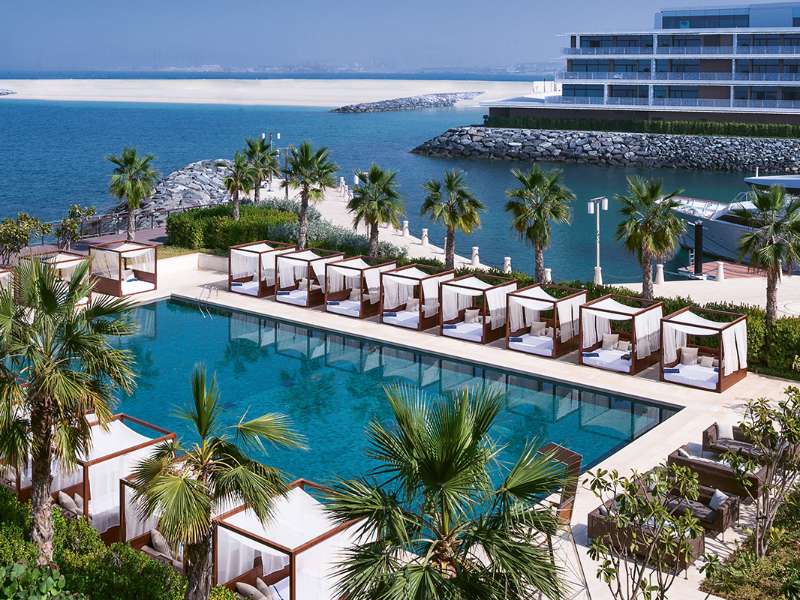
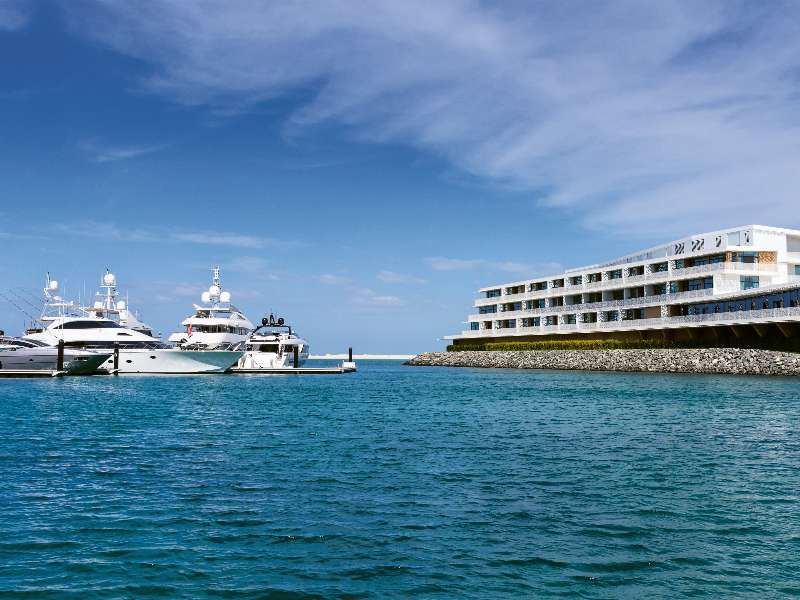
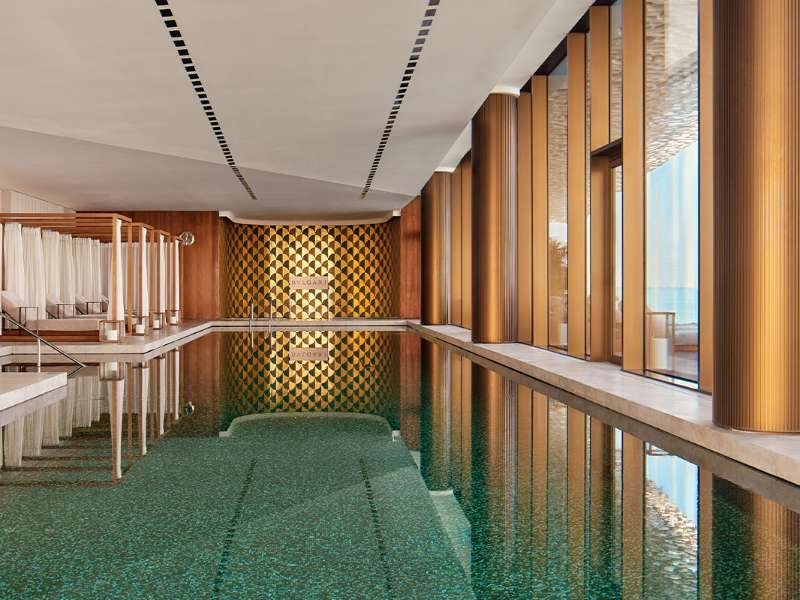
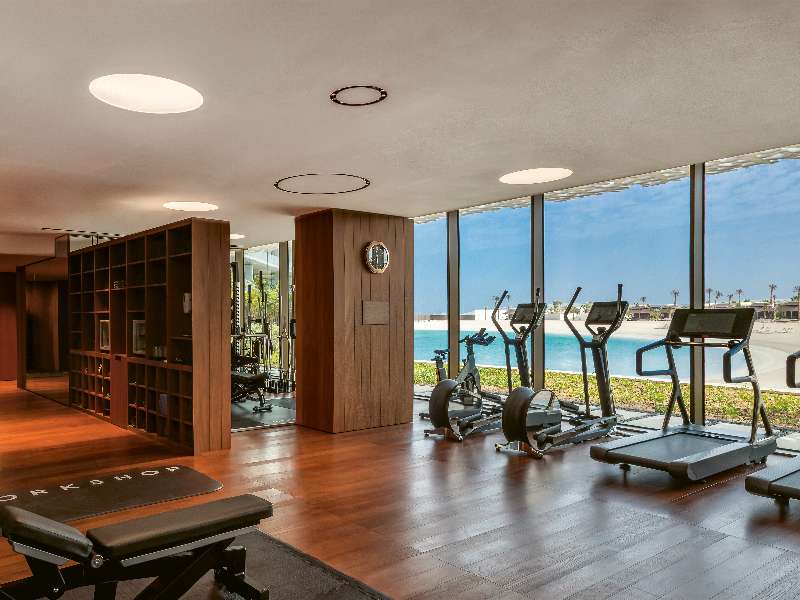
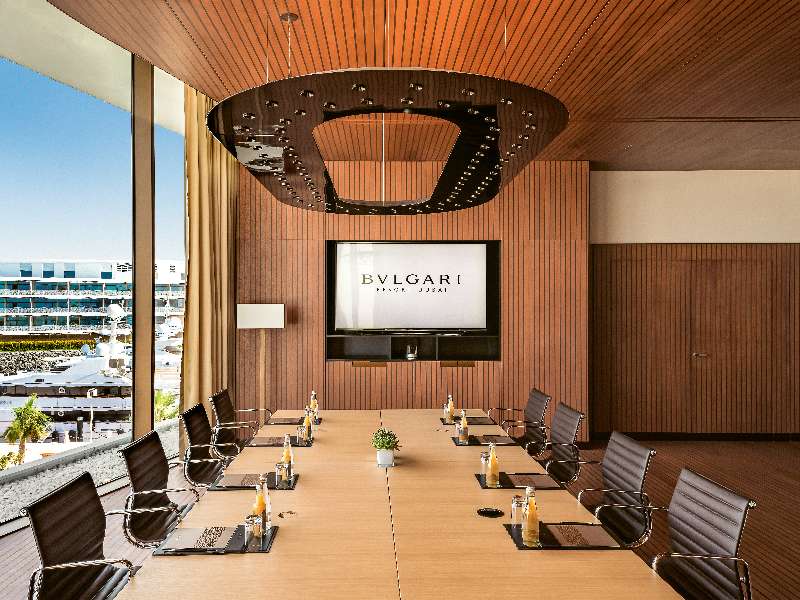
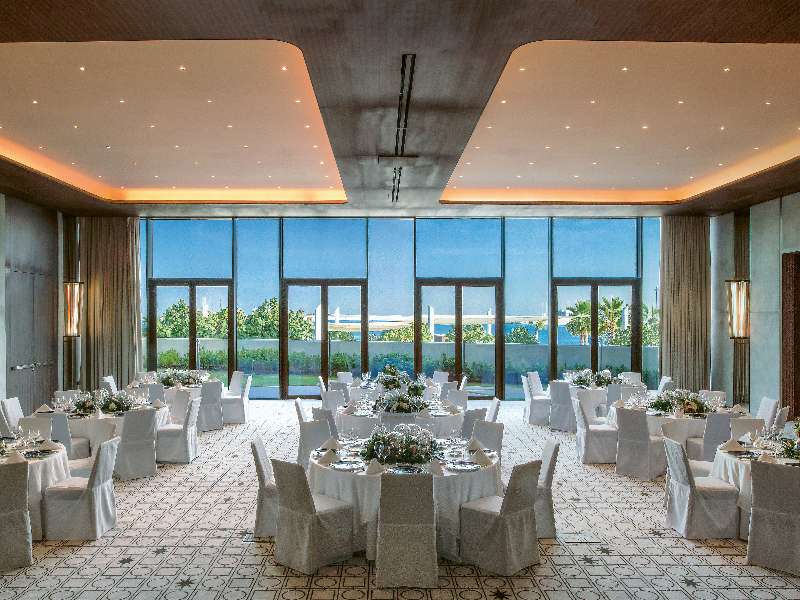
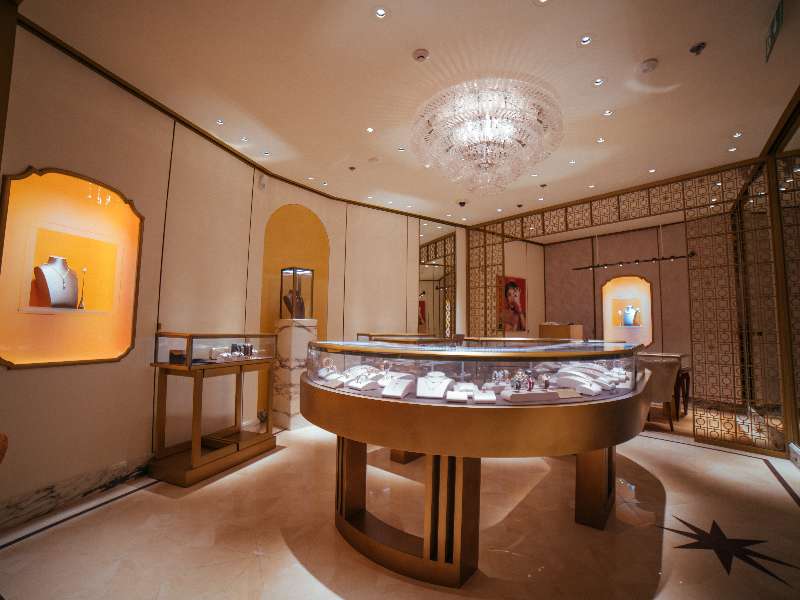
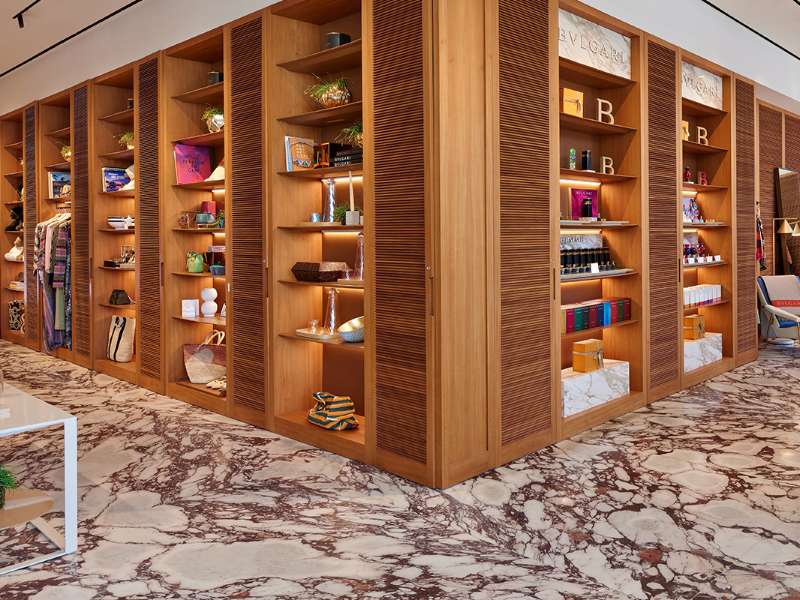
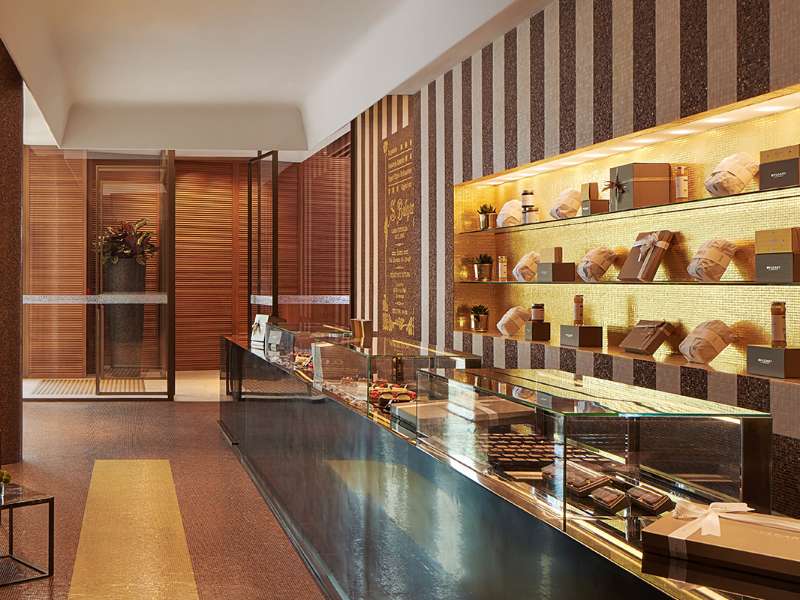
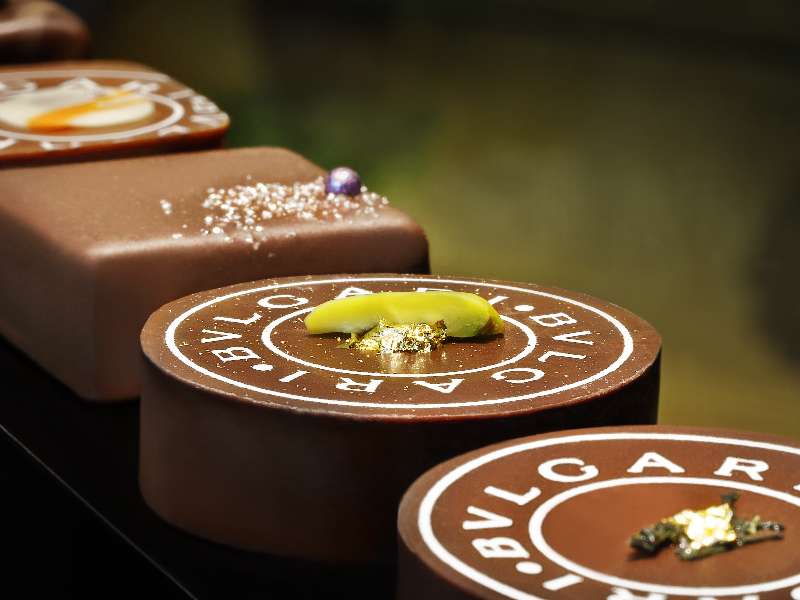
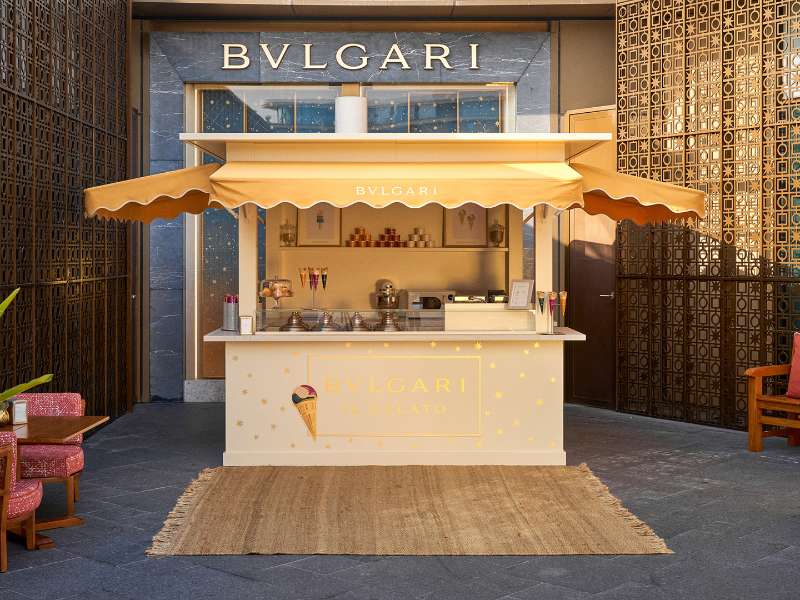
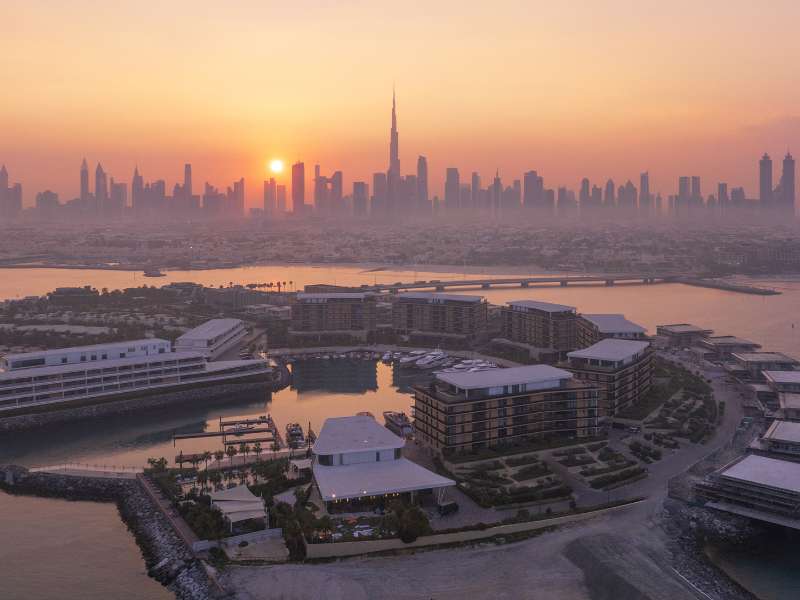
The art of hospitality is a thread running through every experience at the Bvlgari Resort Dubai. Relaxing, thoughtful, and elevated, the new exclusive Bvlgari offers are crafted as refined multifaceted escapes capturing all the best of the Resort. A beautiful way to reconnect or immerse oneself in the distinctive charms of Dubai while experiencing unparalleled Italian hospitality in the heart of the UAE.