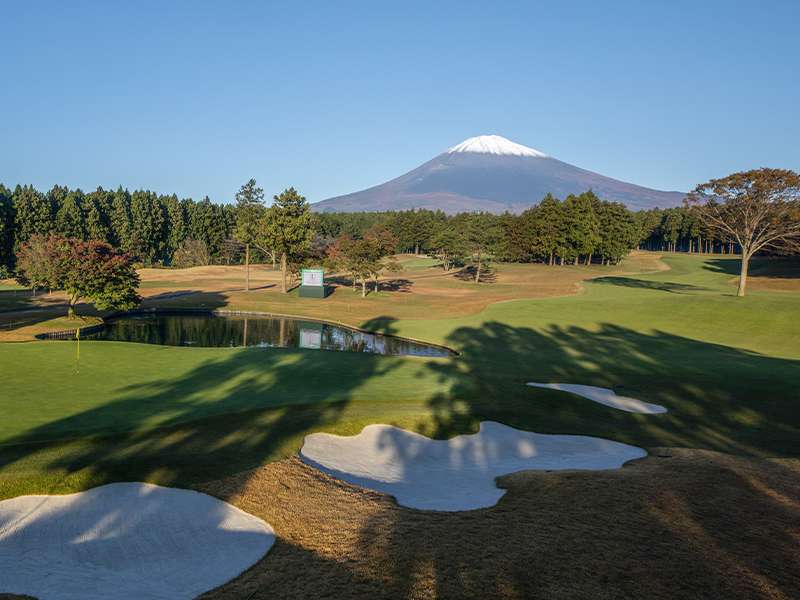
The National Museum of Western Art in Tokyo is presenting an exhibition devoted to Thirty-six Views of Mount Fuji by Katsushika Hokusai, one of the most recognisable series in the history of Japanese art. The exhibition brings together the complete cycle of prints from the Iuchi Collection, offering a unified view of a project that profoundly shaped the representation of landscape in both Japan and the West. Produced between 1830 and 1833, the prints mark a mature phase in Hokusai’s work. Mount Fuji is not treated as a fixed icon, but as a shifting presence, observed from different angles and embedded in scenes of everyday life, labour, travel, and seasonal change. The mountain thus becomes a constant point of reference, capable of structuring space and visual narrative without ever imposing a single, definitive meaning. The exhibition presents all forty-six images that make up the series, including the ten prints added after the original nucleus. The sequence allows viewers to grasp the coherence of the whole while also revealing the range of formal solutions adopted by Hokusai, from unconventional viewpoints and bold perspectival cuts to the extensive use of Prussian blue, which helped renew the visual language of woodblock printing. Alongside the best-known images, such as The Great Wave off Kanagawa and Fine Wind, Clear Morning, the exhibition includes lesser-known sheets that are nonetheless essential to understanding the scope of the project. Fuji appears at times dominant, at times marginal, always integrated into a dynamic balance between human figures and the surrounding environment.













.jpg/jcr%3Acontent)
-(1).jpg/jcr%3Acontent)