



Replica of the Koh-I-Noor Diamond in the Crown Jewels | Courtesy Royal Coster Diamonds, Amsterdam | Foto: AlinavdMeulen (own work) via Wikipedia Creative Commons
Ko-I-Nor - from India to the Crown of the Queen Mother
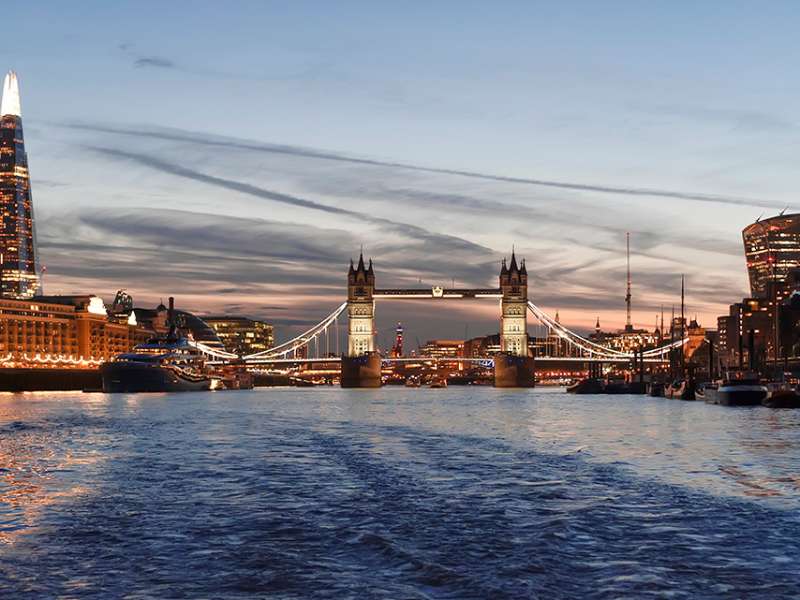
Lokasi: Tower of London
Alamat: St Katharine's & Wapping, London EC3N 4AB
The man who possesses the Ko-I-Noor diamond will rule the world, but will be plagued by misfortune; when, rather, the gem is in the hands of a woman, a lucky star shines on her. How could an ancient legend be wrong? Arriving from India in the middle of the 1800s, this spectacular precious stone embellished the crown of Queen Victoria and Queen Mother Elizabeth Bowes-Lyon, two women who lived long lives. The name literally means “Mountain of Light” - when it came to the West with its 105 carats, the Ko-I-Noor was the largest known diamond in the world. How did the English gain possession of it? Not in the most proper of ways. The jewel was offered by the Sikhs as part of the peace accords at the end of the War for Punjab. A small detail - the accord was signed by a thirteen-year-old, the son of the deceased sovereign who, for the occasion - according to Indian sources - was taken from his mother and other loved ones. For this reason, today, India is demanding the jewel’s return, in line with other competitors, such as Iran, Afghanistan and Pakistan. The colonial chapter was one of the last adventures of the Ko-I-Noor. Already known of by the XIII Century, the diamond bounced from hand to hand, leaving a wake of horrors behind it - poisonings, torture, decapitations and lies have followed the stone from Persia to the Mogul Empire, from the Peacock Throne to the palaces of Afghanistan and Punjab. And they say that they prefer rubies in the Orient.
At the Royal Opera House, Andrei Șerban’s visionary staging of Puccini’s masterpiece returns. Amid timeless arias and striking visuals, the ice princess finally exposes her humanity.
Caravaggio's famous painting arrives in the UK for the first time at the Wallace Collection in London, in dialogue with ancient sculptures from the Giustiniani collection. This exhibition intertwines sensuality and power, light and matter, rediscovering the challenge between painting and sculpture in 17th-century Rome.
The Courtauld Gallery in London reveals an unexpected side of Barbara Hepworth: the sculptor who painted emptiness. Hepworth in Colour intertwines form and pigment in a vivid story where colour does not decorate but breathes within the material.
Wayne Thiebaud: The Sweet Melancholy of Everyday Life
The Courtauld Gallery presents the first major UK exhibition of Wayne Thiebaud. Through paintings and prints from the 1960s, ice creams, cakes and pinball machines become an epic yet melancholic portrait of American consumer culture.