





The Sunflowers of Van Gogh which Gauguin Did Not Like
Lokasi: National Gallery
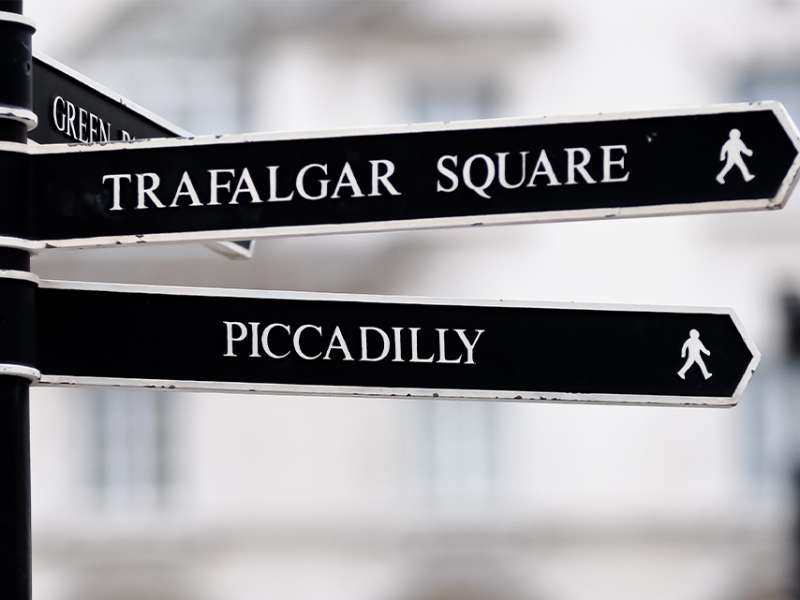
Alamat: Trafalgar Square, Charing Cross, London WC2N 5DN
“The sunflower is mine!” Vincent van Gogh once said, seeing in that flower the ephemeral nature of human actions or, perhaps, quite simply, an anthem to the vitality of nature. Certainly, no other artist has ever been so closely associated with a specific flower of any type. In February of 1888, Vincent van Gogh settled in Arles, in the South of France. Happy about his new life in the ancient village and of his “yellow house”, Vincent sought to convince his friend Gauguin to join him. Vincent’s dream was to establish a tiny artists’ community in Arles, of which he and his friend would act as mentors. It was during the summer, as he awaited Gauguin’s arrival, that he began to paint his celebrated series of Sunflowers in a vase. To decorate his guest-room and make a lasting impression on his friend, Vincent van Gogh thought to do a dozen paintings, including the Vase with Fifteen Sunflowers that, today, is part of the Collection of the National Gallery of London. Gauguin showed up the following autumn, but unlike Van Gogh, he found nothing interesting about Arles and he found living with Vincent impossible. The friendship between the two ended abruptly in short time and their paths diverged thereafter. Van Gogh had a nervous breakdown, while Gauguin decided to leave France and move to Tahiti in Polynesia, seeking to alter his very existence.
The Great Contemporary Theatre of Gilbert & George
The Hayward Gallery hosts a major retrospective of Gilbert & George, featuring over sixty works from 2000 to the present. Bold photo collages, vivid colours, and provocative texts trace twenty-five years of radical art. A deep dive into urban society through the irreverent lens of the iconic British duo.
At the Royal Opera House, Andrei Șerban’s visionary staging of Puccini’s masterpiece returns. Amid timeless arias and striking visuals, the ice princess finally exposes her humanity.
The Courtauld Gallery in London reveals an unexpected side of Barbara Hepworth: the sculptor who painted emptiness. Hepworth in Colour intertwines form and pigment in a vivid story where colour does not decorate but breathes within the material.
At the Royal Academy, A Story of South Asian Art explores Mrinalini Mukherjee’s work and her creative circle, including her mentors and colleagues. Through her textile sculptures and site-specific connections, the exhibition redefines contemporary sculpture with roots in South Asian Modernism.