
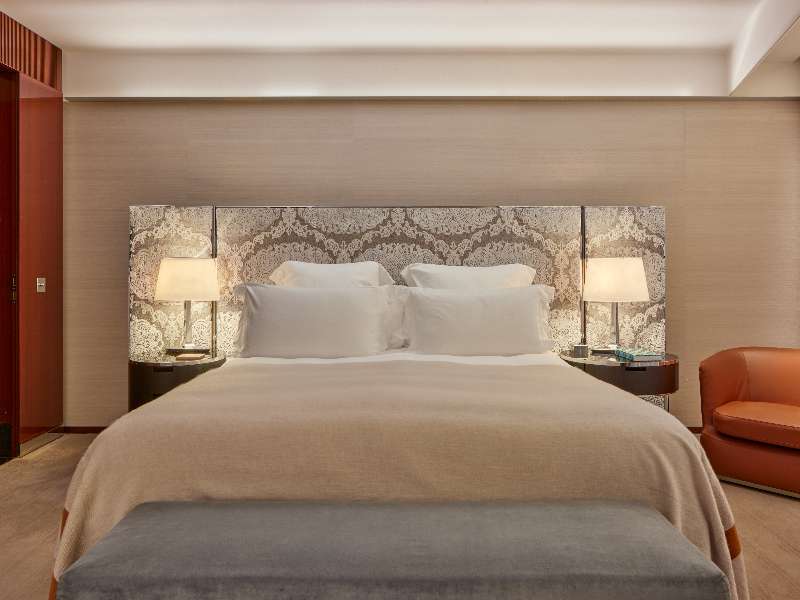
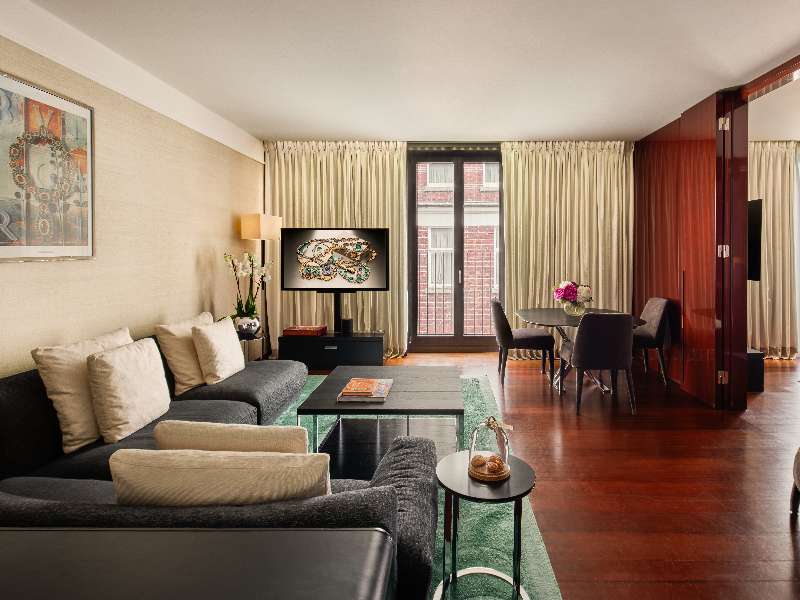
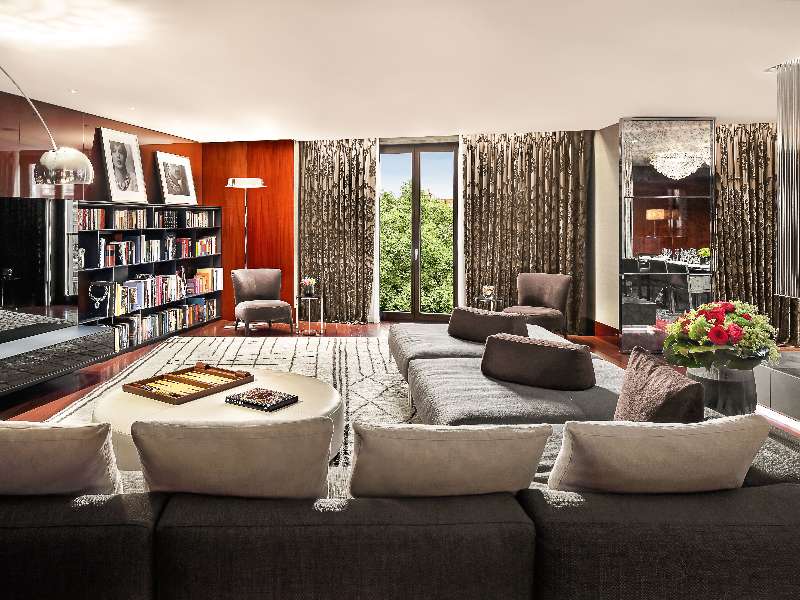
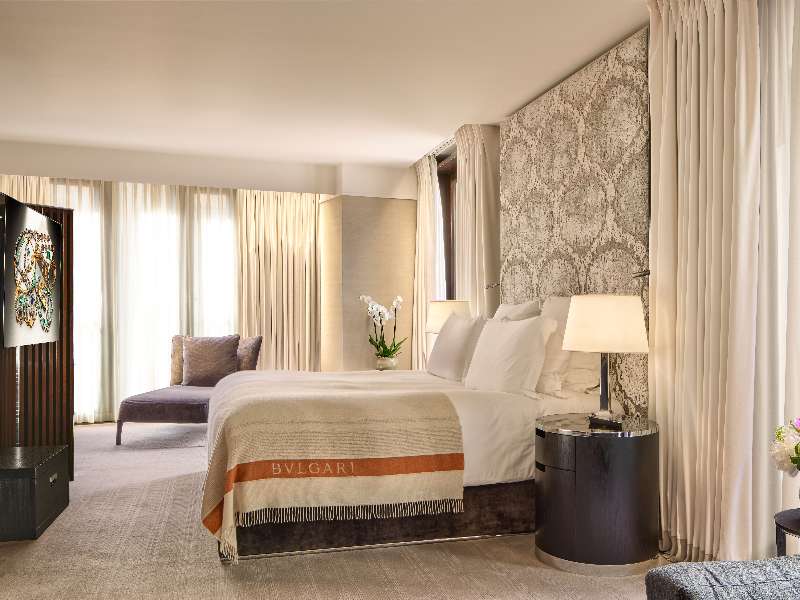
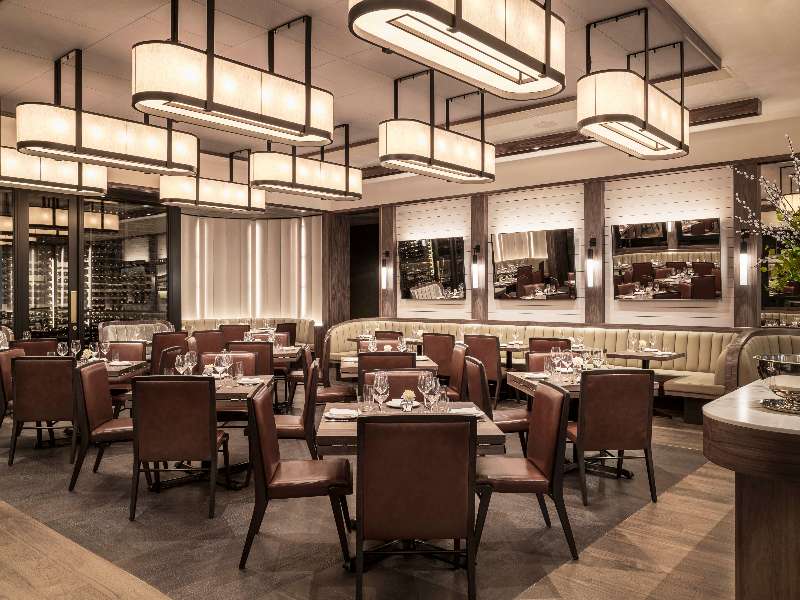
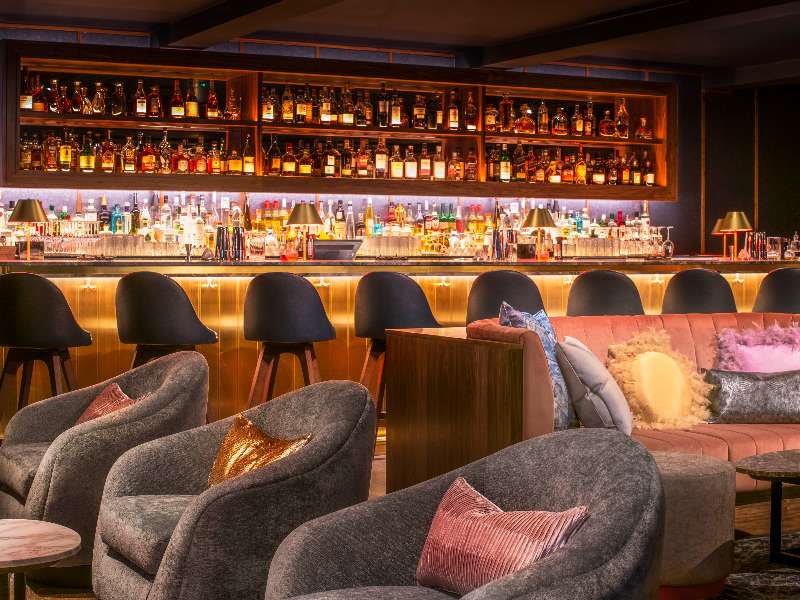
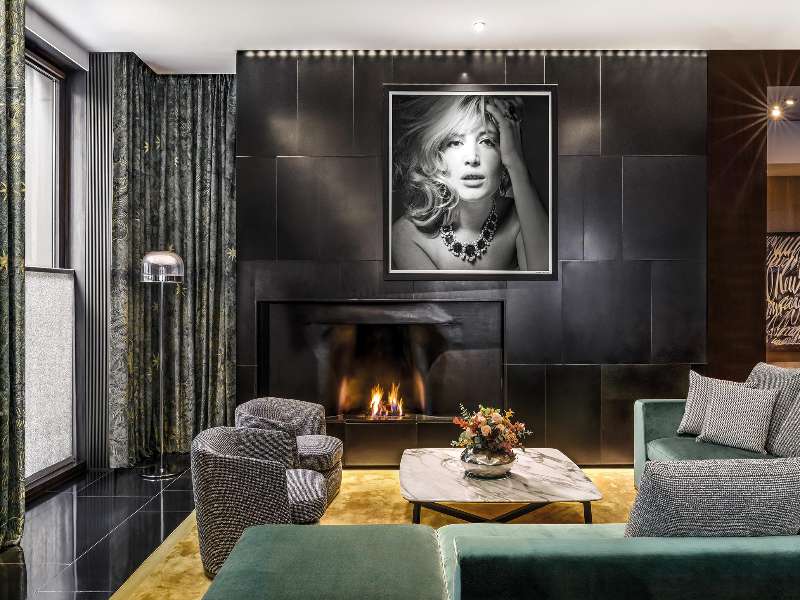

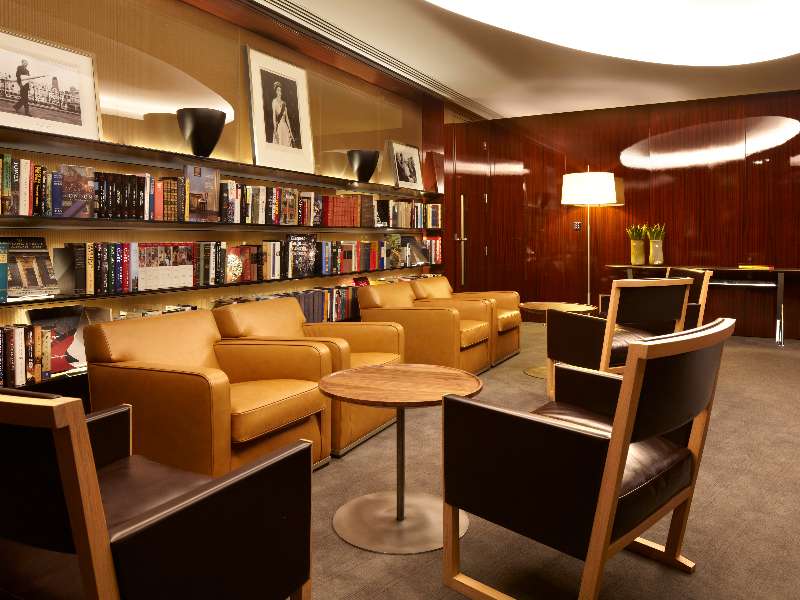
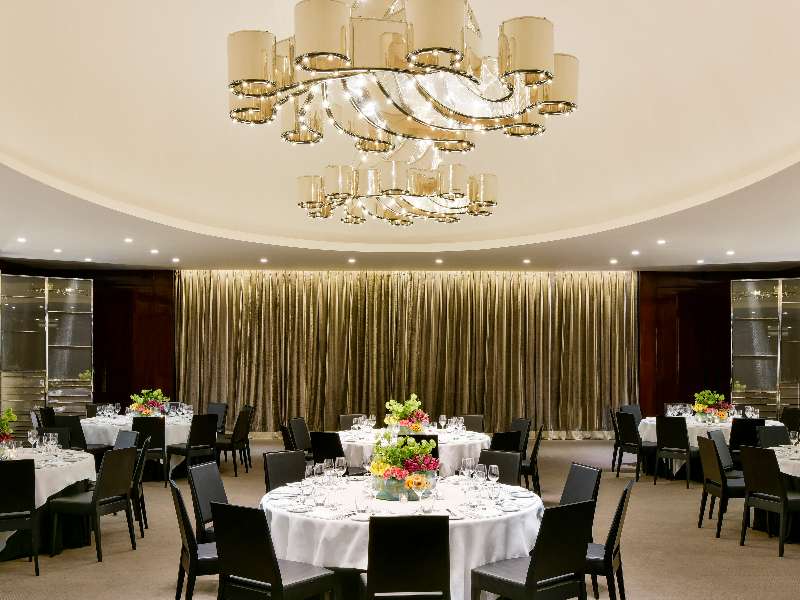
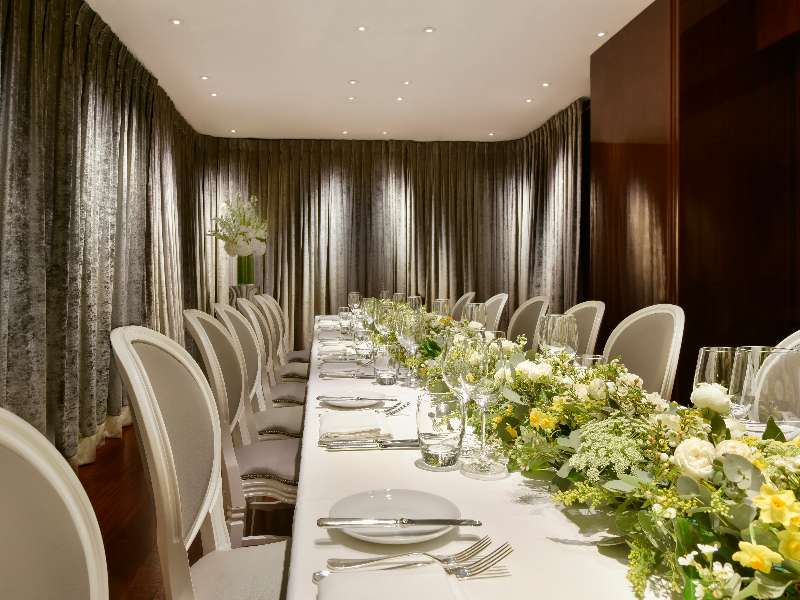
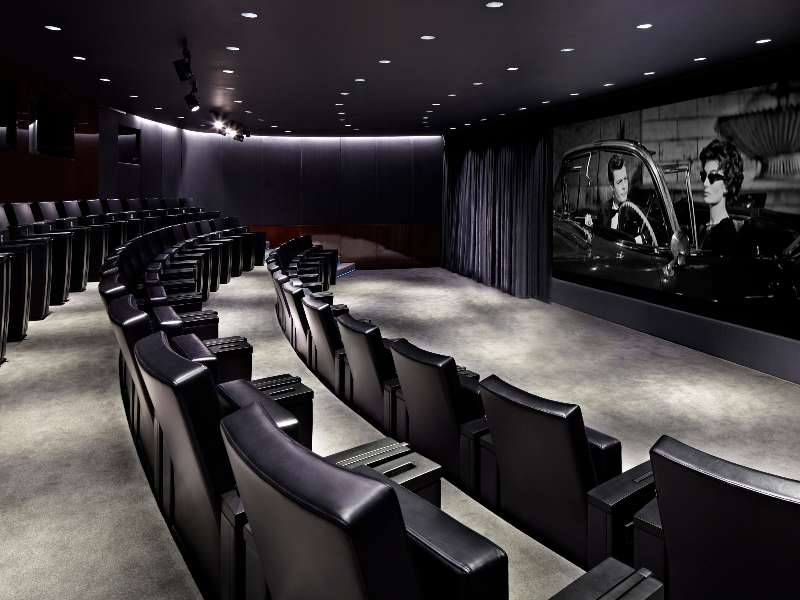
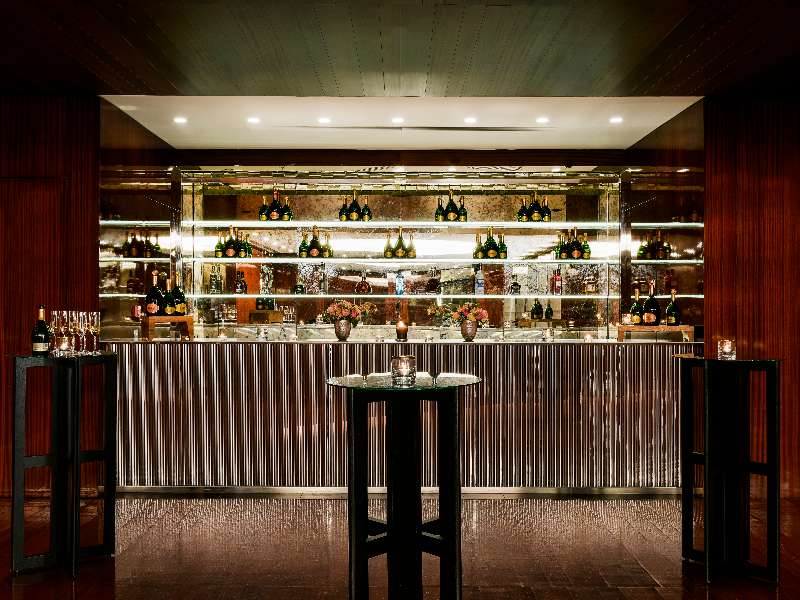
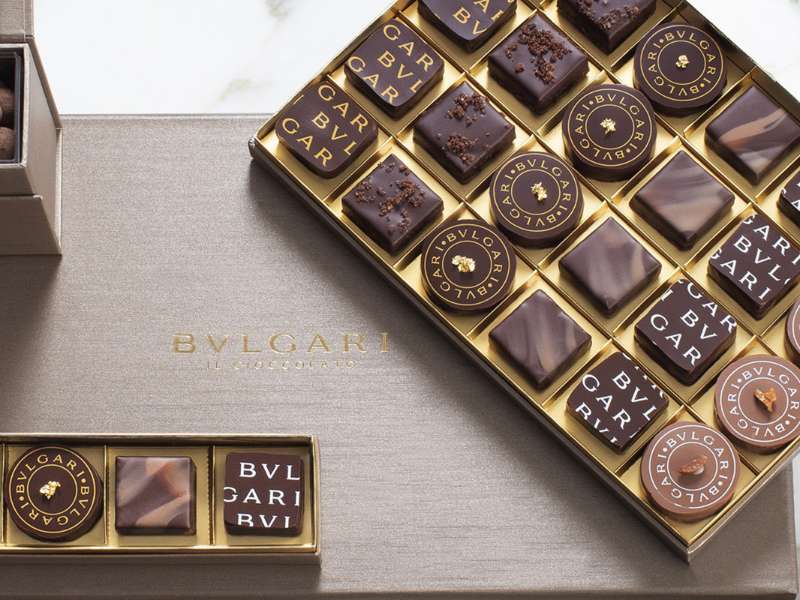
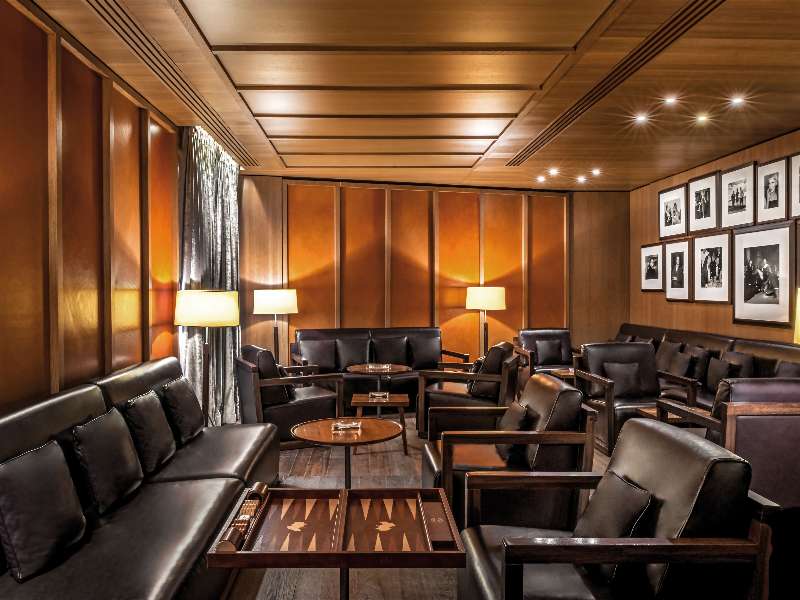

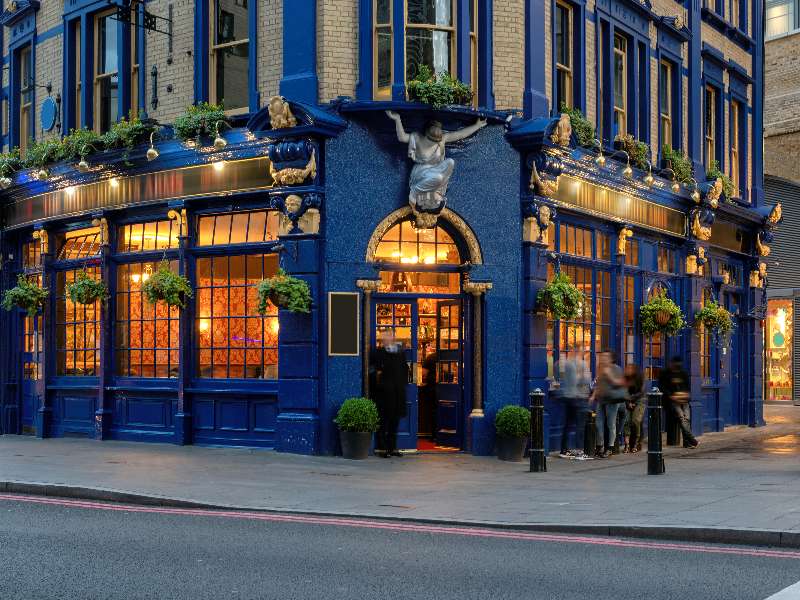
Gentlemen from all over London, united under one insignia - White’s Club. And to think that England’s oldest club, founded in 1693 by an Italian, the Veronese Francesco Bianco - anglicised as Francis White - was once merely an Emporium specialising in hot chocolate. It was called White's Chocolate House and it was located at number 4 Chesterfield Street. However, in the XVIII Century it was transformed into an exclusive club, becoming a gambling house frequented by the so-called “White players”, then becoming, over time, well-known for its exclusive nature. In 1778, it moved to number 37 on St James's Street, where it remains today. Built out of Portland stone with a slate roof, the five-story building has a Victorian-Era Palladian facade, embellished with French motifs. At the end of the ‘70s, the outside was painted blue with white trim. In 1981, Prince Charles - one of today’s most illustrious members - celebrated his bachelor party there before his marriage to Lady Diana, while Prince William became a member shortly after his birth. Today, it is considered by many as the most exclusive club in London, with members such as Charles, the Prince of Wales and Prince William, the Duke of Cambridge. Besides White’s, London has several other Gentlemen’s clubs, such as the exclusive Annabel's, the Groucho and the Arts Club.
At the National Gallery in London, a remarkable exhibition brings back into focus one of the most enigmatic figures of eighteenth-century British painting, George Stubbs, exploring his quiet revolution in the depiction of the horse, an animal that, for the artist, became far more than a symbol of status or aristocratic refinement.
Marie Antoinette: The Queen of Style Who Never Goes Out of Fashion
Featuring more than 250 works, from personal jewels and court dress to creations by Dior, Chanel and Vivienne Westwood, the show traces Marie Antoinette’s lasting impact on fashion, the decorative arts and visual culture.
The Courtauld Gallery in London reveals an unexpected side of Barbara Hepworth: the sculptor who painted emptiness. Hepworth in Colour intertwines form and pigment in a vivid story where colour does not decorate but breathes within the material.
The Great Contemporary Theatre of Gilbert & George
The Hayward Gallery hosts a major retrospective of Gilbert & George, featuring over sixty works from 2000 to the present. Bold photo collages, vivid colours, and provocative texts trace twenty-five years of radical art. A deep dive into urban society through the irreverent lens of the iconic British duo.