

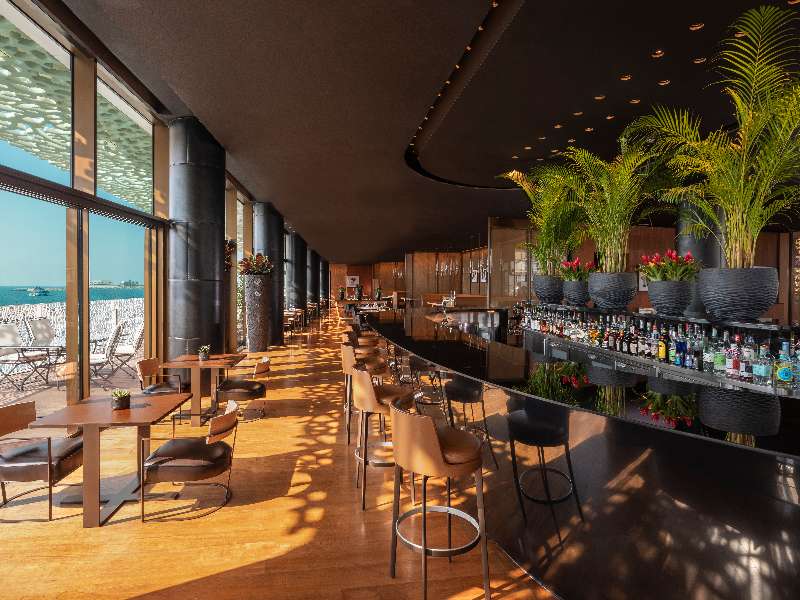
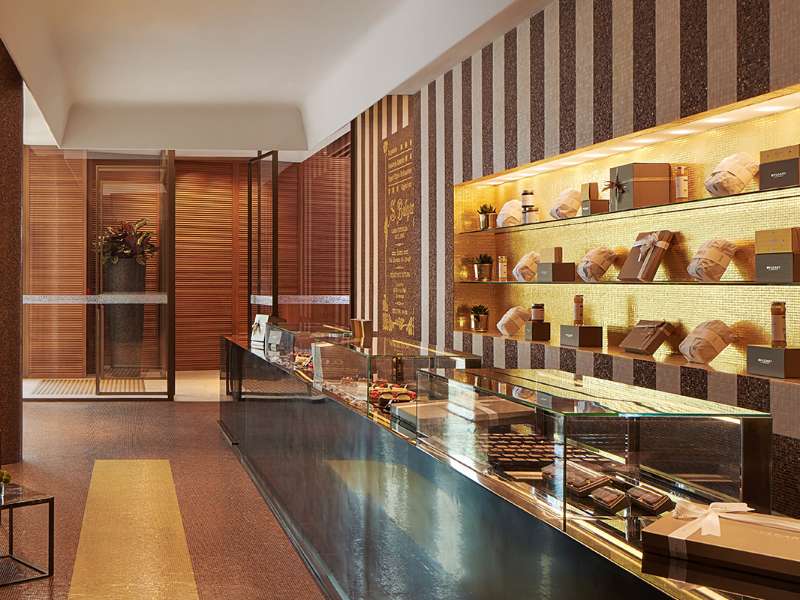
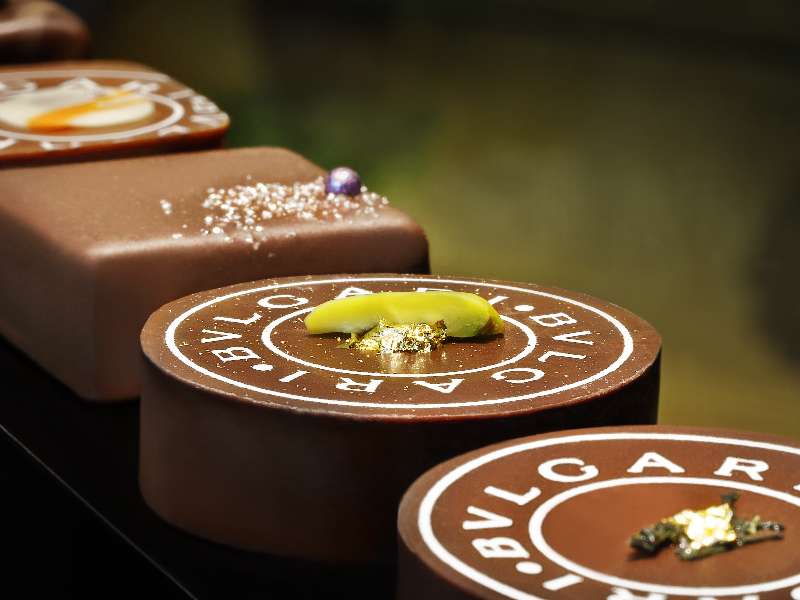


The Bvlgari Bar
Il Ristorante - Niko Romito
Il Caffè
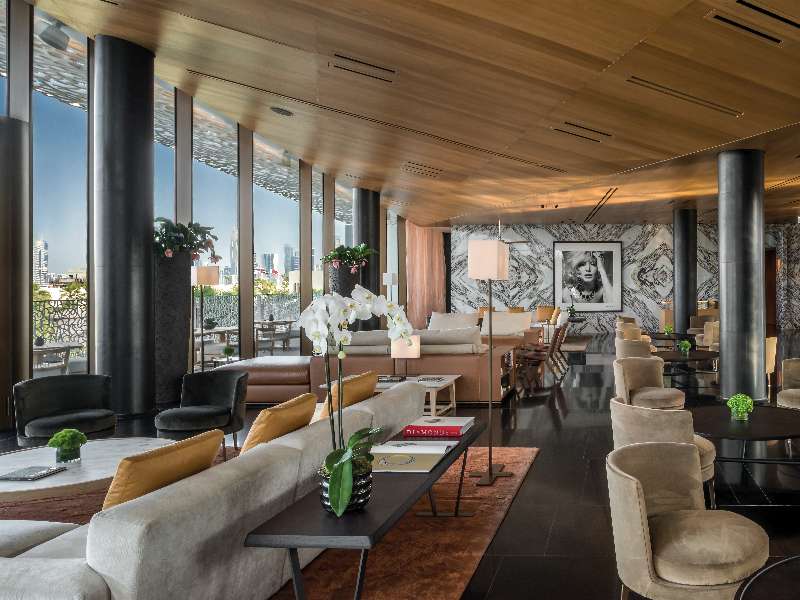
Le Bvlgari Lounge
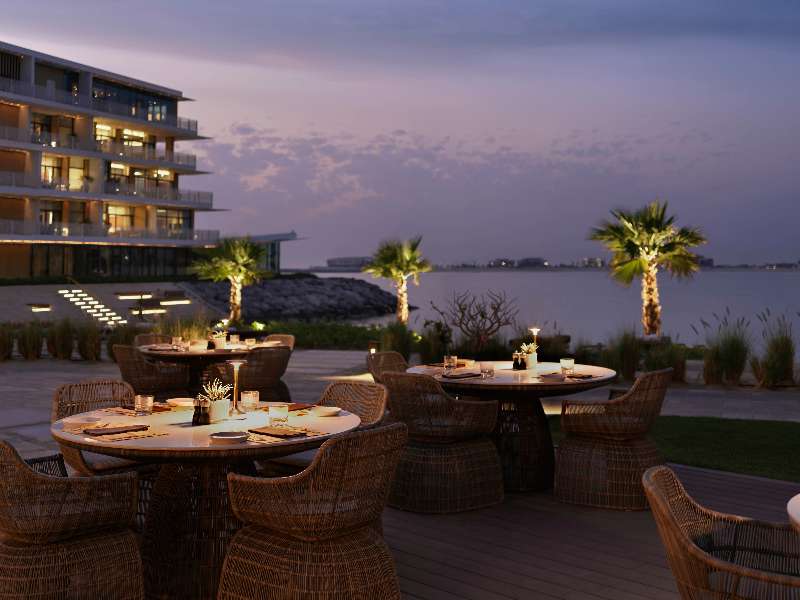
La Spiaggia
Yacht Clvb Restaurants
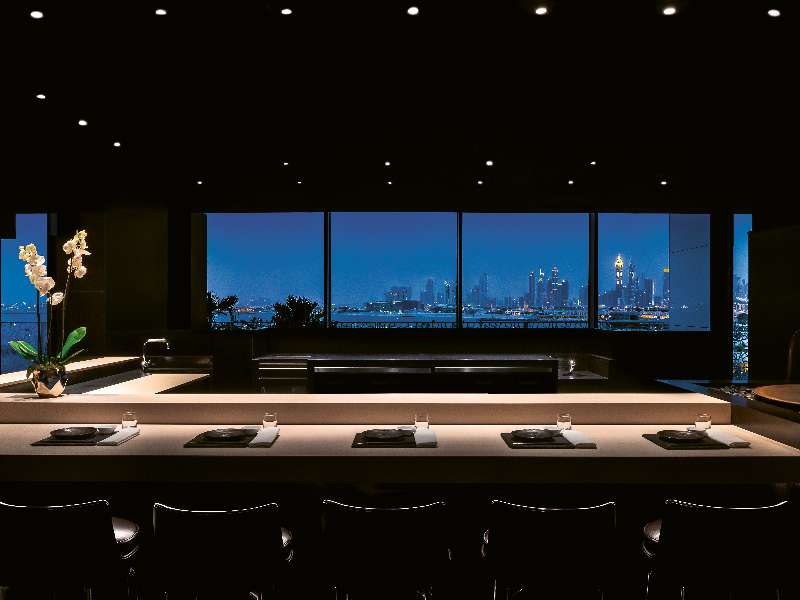
Hōseki
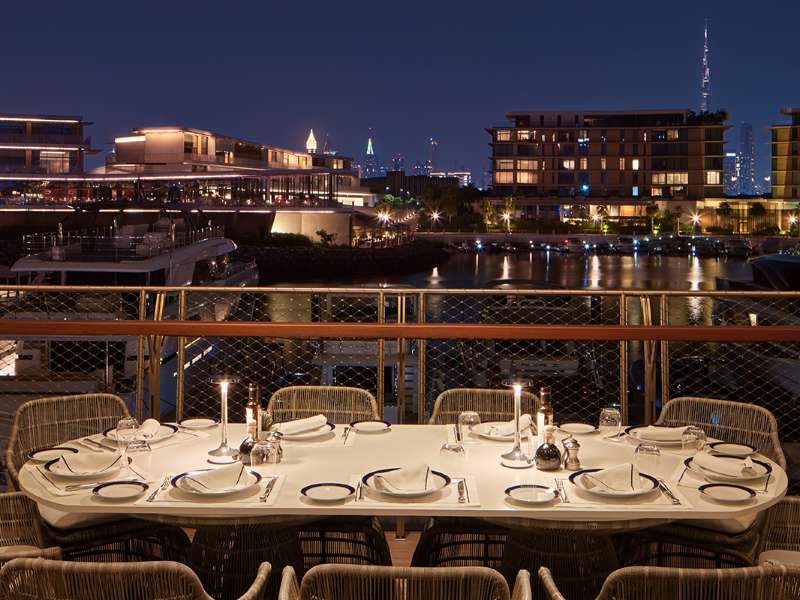
Yacht Clvb
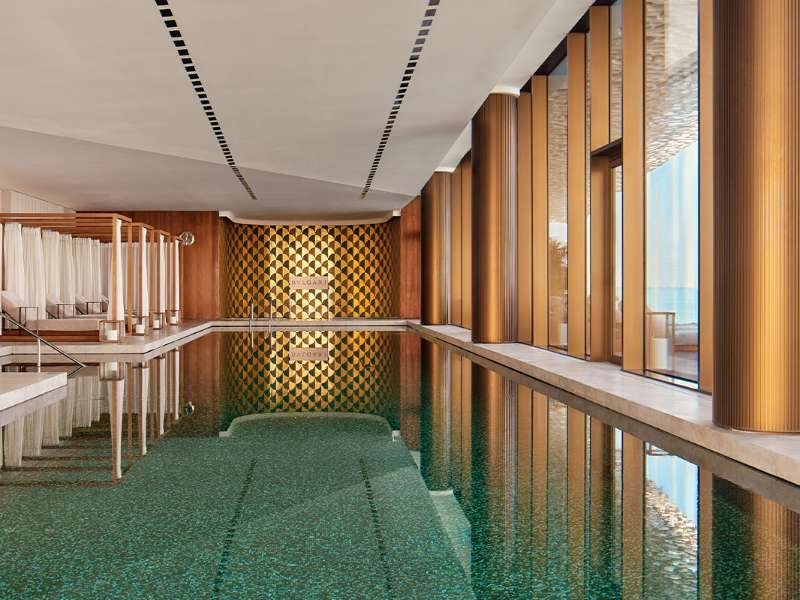
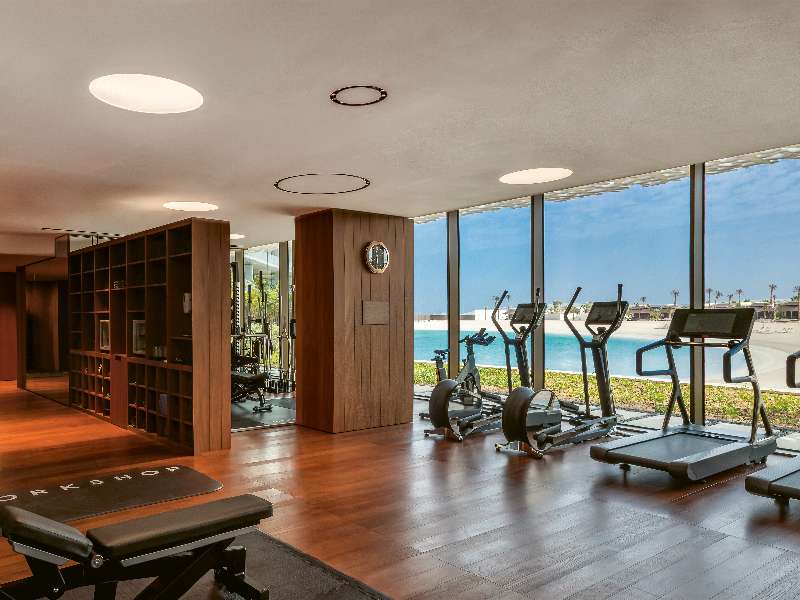
Spa et Fitness
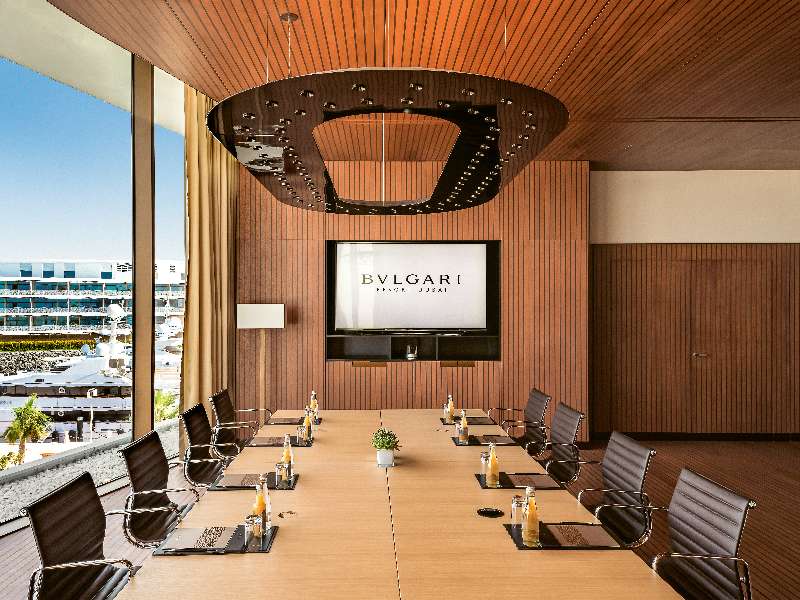
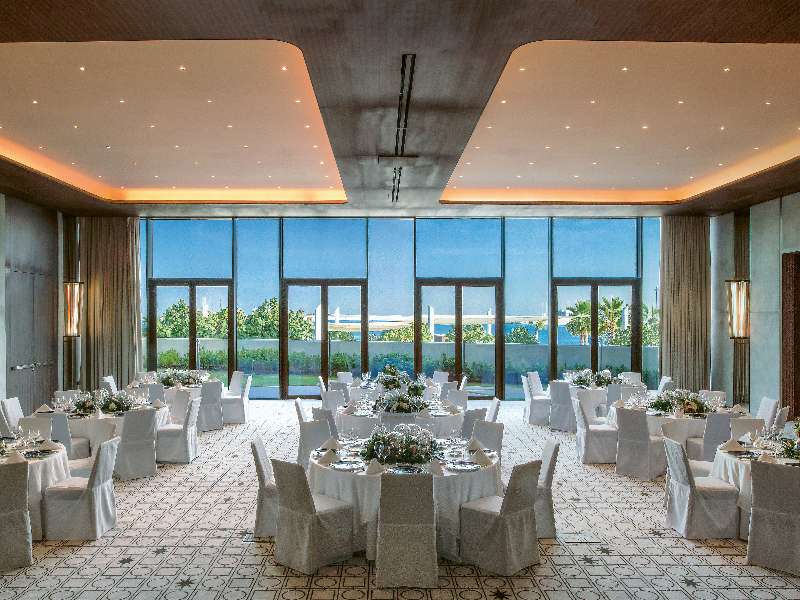
Évènements
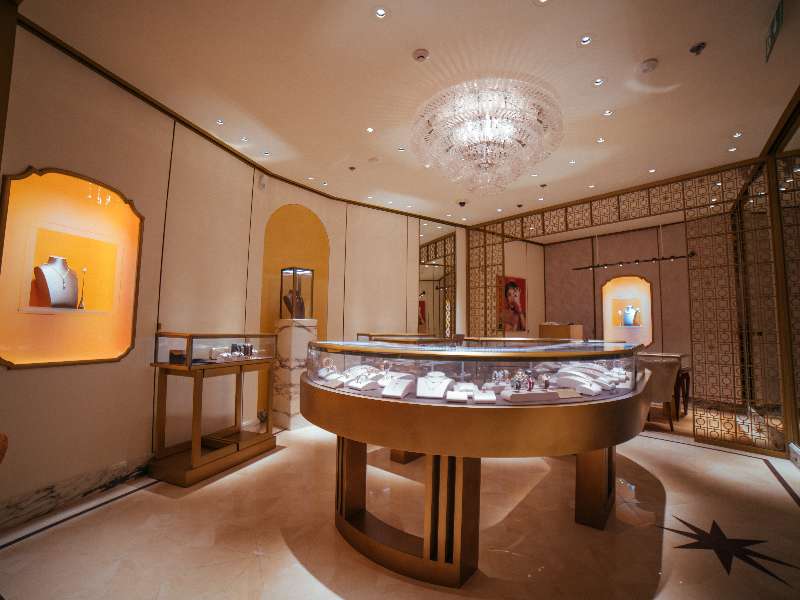
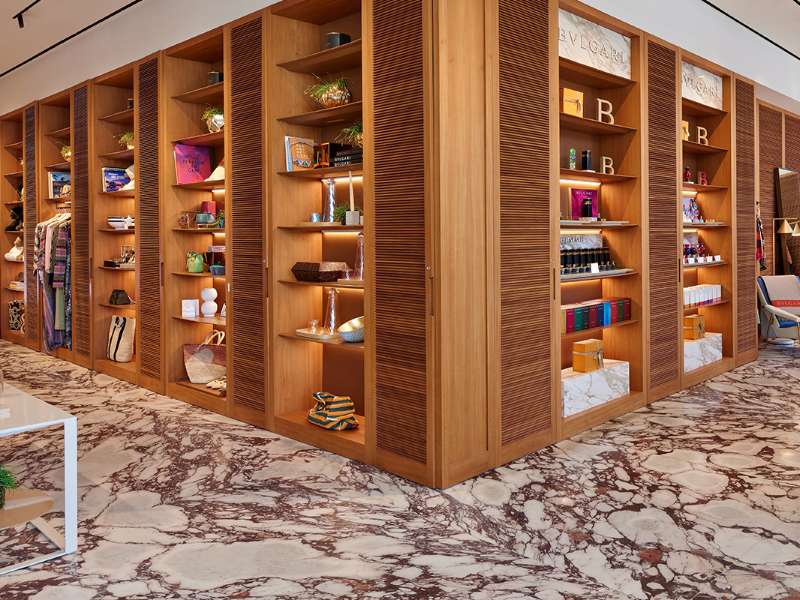
Boutiques
Expériences
Galerie Photos
Résidences
What's On
Bvlgari Majlis
An Emperor's Jewel
À propos de Bvlgari
- Le Resort
-
Hébergement
-
-
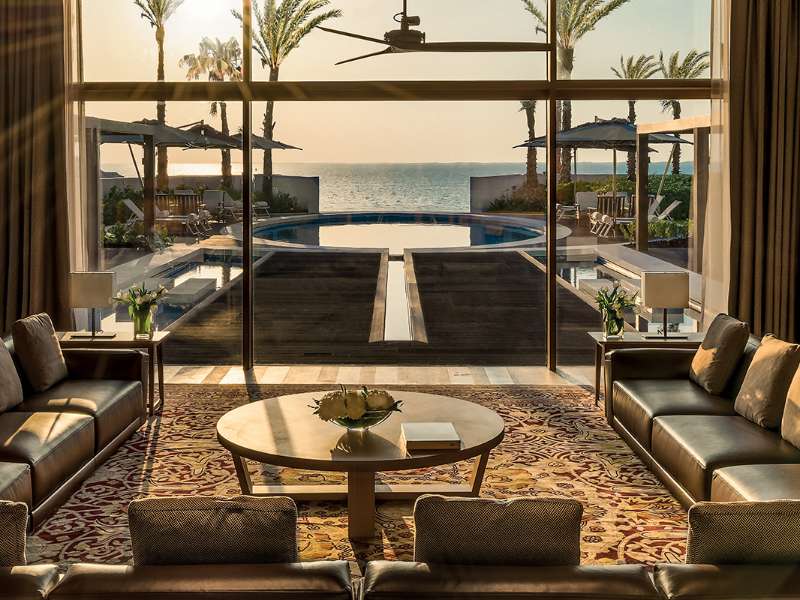
Villas
Villa à une chambre avec vue sur la plage Villa à deux chambres avec vue sur la plage Villa à deux chambres avec vue sur la skyline Villa à trois chambres avec vue sur la skyline Serpenti Villa La BVLGARI Villa -
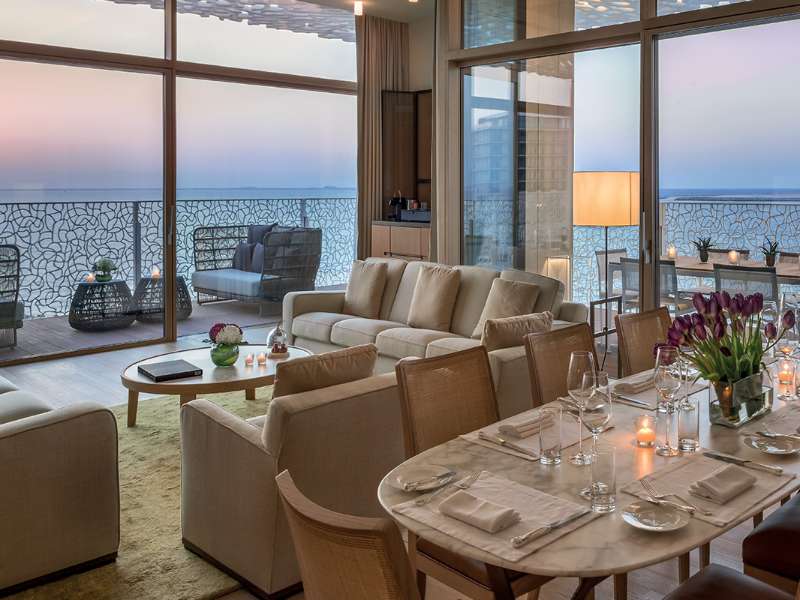
Chambres et Suites
Chambre Supérieure Chambre De Luxe avec vue sur la plage Chambre Premium Suite Junior Suite De Luxe La BVLGARI Suite -
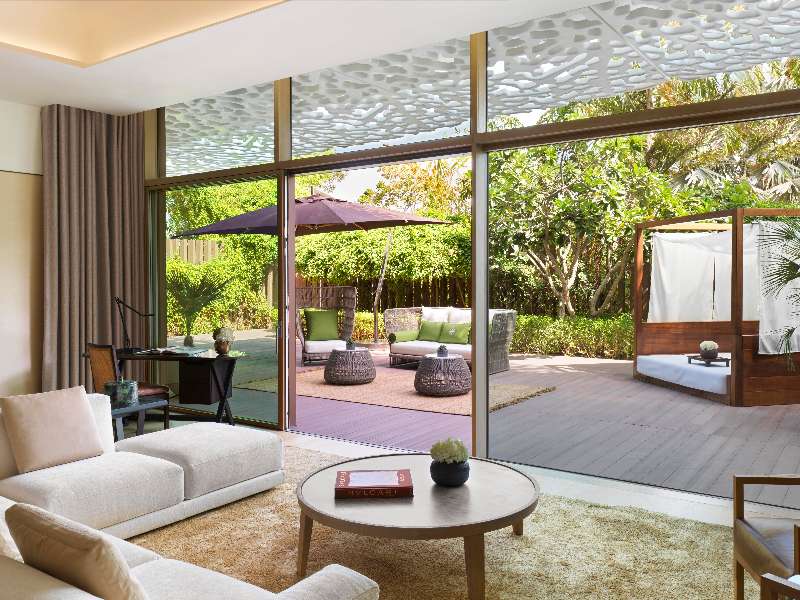
Garden Rooms et Suites
Garden Room Garden Junior Suite Garden Deluxe Suite
-
-
- Restauration
- Yacht Clvb
- Spa et Fitness
- Évènements
- Boutiques
- Expériences
- Galerie Photos
- Résidences
- What's On
- Bvlgari Majlis
- An Emperor's Jewel