





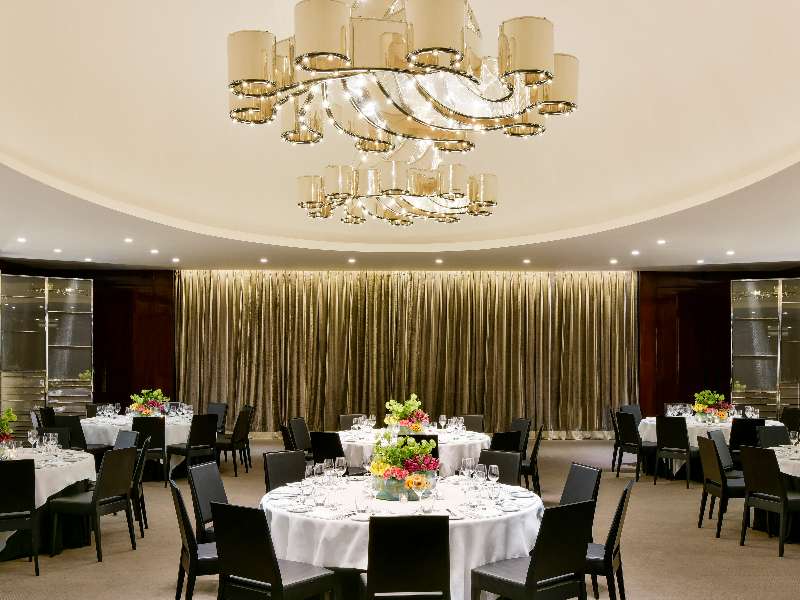
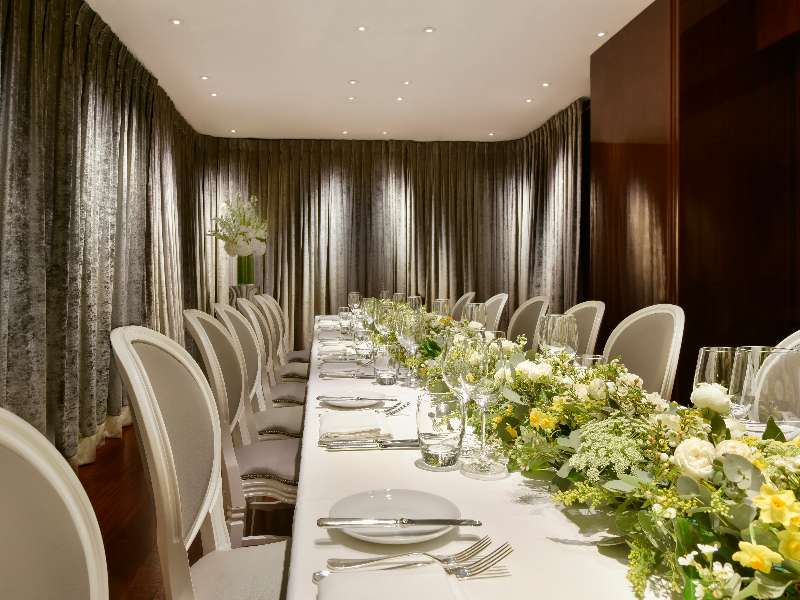
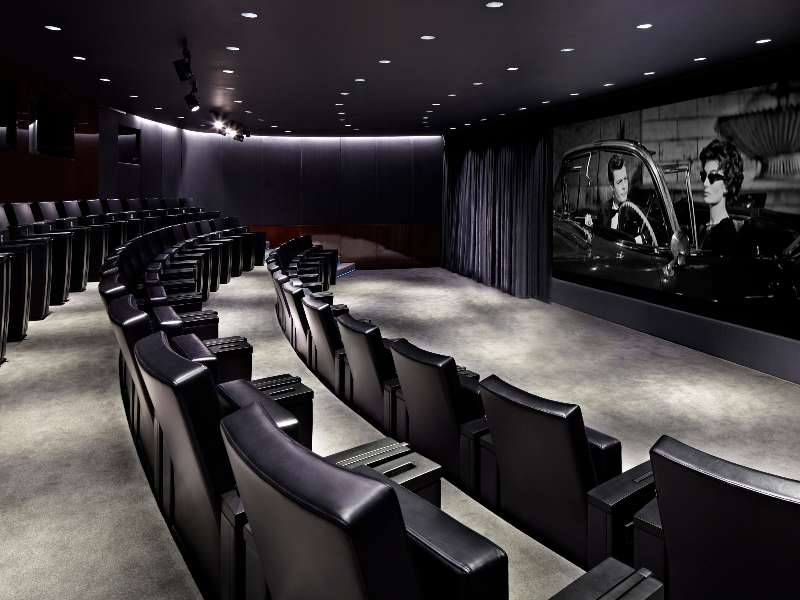
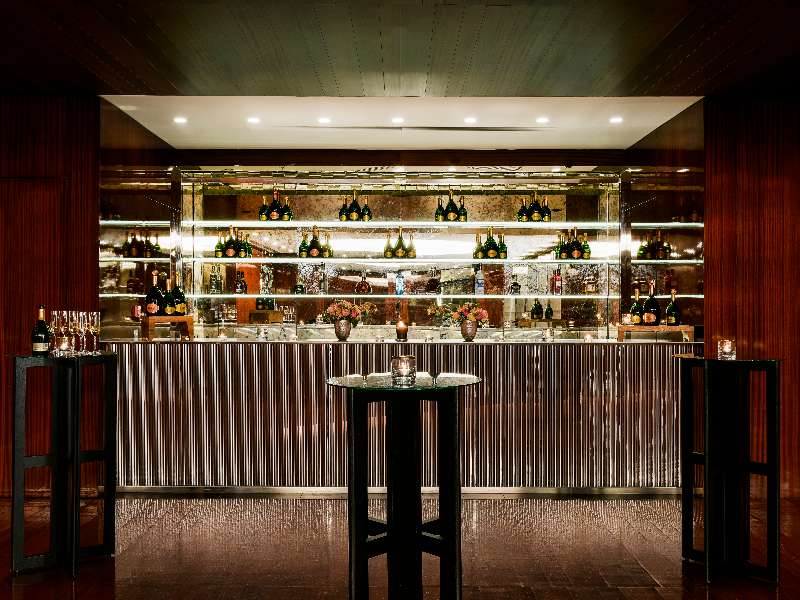



On September 7, 1931, the Granada Cinema was inaugurated in the heart of Wandsworth. Performing that night were the trumpeters of The Life Guards and Alex Taylor on his Wurlitzer organ. The feature film was Monte Carlo and the short was Two Crowded Hours directed by Michael Powell. Until 1934, the film calendar of this Art Deco jewel in the heart of London was supplemented with theatre and musical performances and even a small circus with live elephants. There was also a cafe at the entrance which overlooked the foyer and the Granada even boasted of an “electric” kitchen, a 250-spot parking lot and a carriage space for mothers and their children. The building which houses what is, today, still considered the most spectacular cinema in all of Great Britain, is the result of a design by the great cinema and theatre architect Cecil A. Massey for Sidney Bernstein. The interior, meanwhile, was a result of the creativity of the Russian theatre designer Theodore Komisarjevsky. From Jerry Lee Lewis to Frank Sinatra, from the Rolling Stones to the Beatles, numerous illustrious performers were hosted on the stage of the Granada. The last performance, on April 28, 1968, were the Bee Gees. Then, in the ‘60s, its decline began. It was closed definitively on November 10, 1973. It went unused for almost three years until October 14, 1976, when it reopened as Granada Bingo Club, Tooting.
Marie Antoinette: The Queen of Style Who Never Goes Out of Fashion
Featuring more than 250 works, from personal jewels and court dress to creations by Dior, Chanel and Vivienne Westwood, the show traces Marie Antoinette’s lasting impact on fashion, the decorative arts and visual culture.
At the Royal Opera House, Andrei Șerban’s visionary staging of Puccini’s masterpiece returns. Amid timeless arias and striking visuals, the ice princess finally exposes her humanity.
For the first time in the United Kingdom, a major exhibition explores the work of Ketty La Rocca, a leading figure in Italian Visual Poetry and Body Art. Over fifty works trace a radical journey through gestures, words, X-rays, and manipulated images. A powerful investigation of language, identity, and the body.
At the Royal Academy, A Story of South Asian Art explores Mrinalini Mukherjee’s work and her creative circle, including her mentors and colleagues. Through her textile sculptures and site-specific connections, the exhibition redefines contemporary sculpture with roots in South Asian Modernism.