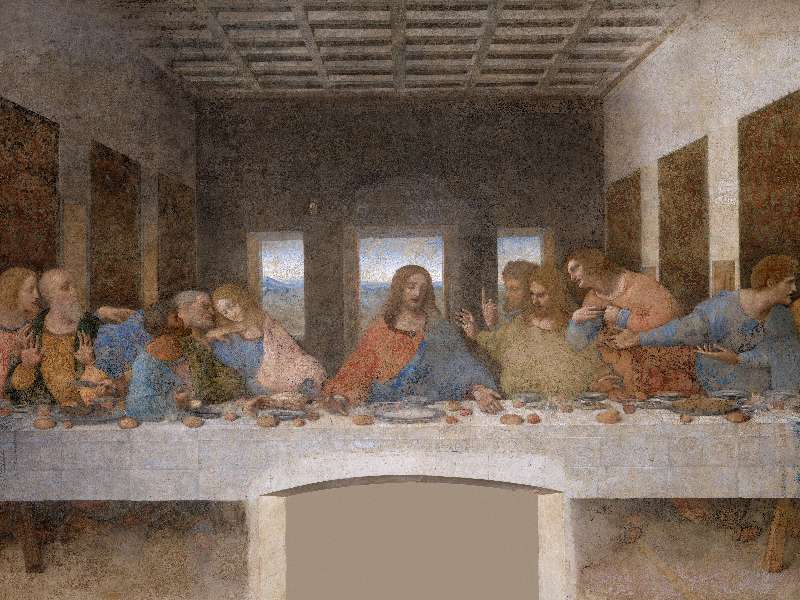
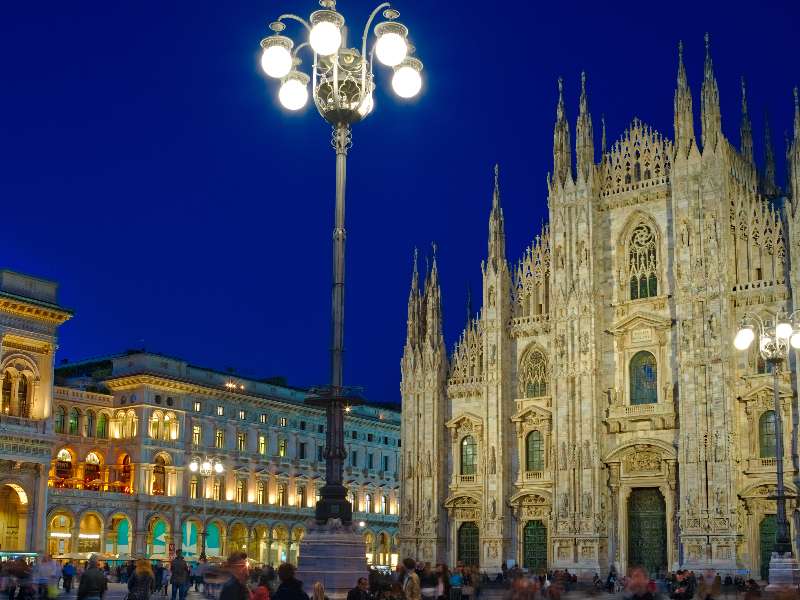
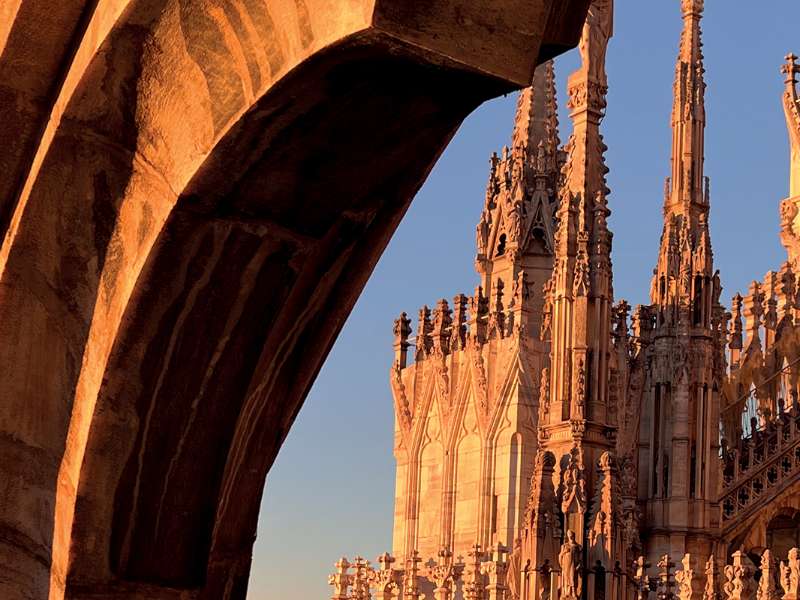
There’s the Milan of popular uprisings and the city of historic buildings under construction, of glimpses of neighbourhoods and the masterpieces of Brera which captured the eyes of the first photographers of the 1800s, transformed into authentic works, somewhere between archive and photography. Between 1839 and 1840, some of them, in Paris, came into contact with the daguerreotype, capturing Milan in the earliest photos, many of which, lost today, live on in the tales of magazines from that era. The first official image, taken in 1845 by Luigi Sacchi is a calotype of the Trofeo Fuentes, still in existence at the time at the start of the Pavia Canal. After a journey in the Ville Lumière, Sacchi began his work as a so-called “lucigrafo” (roughly translated, a “lightographer”), using Daguerre’s methods and, from 1841, those of Talbot. One of the most beautiful photographs taken up to that time? His shot of the Last Supper by Leonardo, as well as the masterpieces of of the Accademia di Brera. The architectural and artistic heritage of Milan, from the violent breach of the outer wall at the Convento dei Cappuccini to the monumental views of the city, can be seen in the works of another great pioneer of photography, Icilio Calzolari, while the Duomo is featured in two famous shots by Alessandro Duroni. In this photo album of memories of a Milan that no longer exists, there is also the courage of Luca Fortunato Comerio who, at just twenty years old, documented the popular uprisings in the city in May of 1898 and the repression of General Bava Beccaris.
Samantha De Martin - © 2020 ARTE.it for Bulgari Hotel Milano